

Advantages and Disadvantages of Negative Pressure and Positive Pressure Conveying for Coke Powder
When it comes to the efficient and reliable transport of coke powder, selecting the right conveying method is crucial. Two primary approaches dominate the industry: negative pressure conveying and positive pressure conveying. Each method offers distinct advantages and disadvantages, making the choice dependent on specific operational requirements, material characteristics, and system constraints. This article provides a detailed comparison of these two conveying techniques, focusing on their pros and cons as applied to coke powder transport.
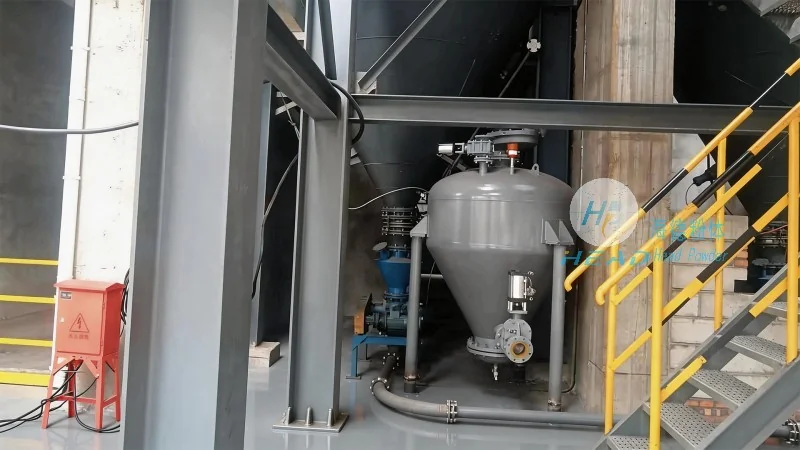
HeadPowder Engineering: Your Partner in Conveying Solutions
At Shandong HeadPowder Engineering Co., Ltd., we specialize in providing tailored conveying solutions for industrial applications. With our expertise in material handling and process engineering, we understand the importance of choosing the most suitable conveying system for your specific needs. Our team of engineers and technicians works closely with clients to assess their operational demands, material properties, and budget constraints to recommend the optimal conveying method. Whether you opt for negative pressure or positive pressure conveying, our solutions are designed to enhance efficiency, reduce downtime, and ensure safe material transport.
Negative Pressure Conveying for Coke Powder
Negative pressure conveying, also known as vacuum conveying, operates by creating a partial vacuum in the conveying line to draw material from the source to the destination. This method is particularly effective for handling fine powders like coke powder, as it minimizes material degradation and ensures a gentle handling process. One of the key advantages of negative pressure conveying is its ability to handle materials at low velocities, which reduces the risk of particle breakage and improves material quality. Additionally, this method is well-suited for applications where the material needs to be transported over long distances or through complex layouts, as the vacuum system can maintain consistent material flow.
However, negative pressure conveying also has its limitations. The system requires a vacuum pump to generate the necessary pressure differential, which can increase energy consumption and maintenance costs. Furthermore, the conveying line must be airtight to prevent air leakage, which can complicate installation and maintenance. Another challenge is that negative pressure systems may not be suitable for handling large quantities of material or for applications requiring high throughput, as the vacuum pump may struggle to maintain the required flow rates.
Positive Pressure Conveying for Coke Powder
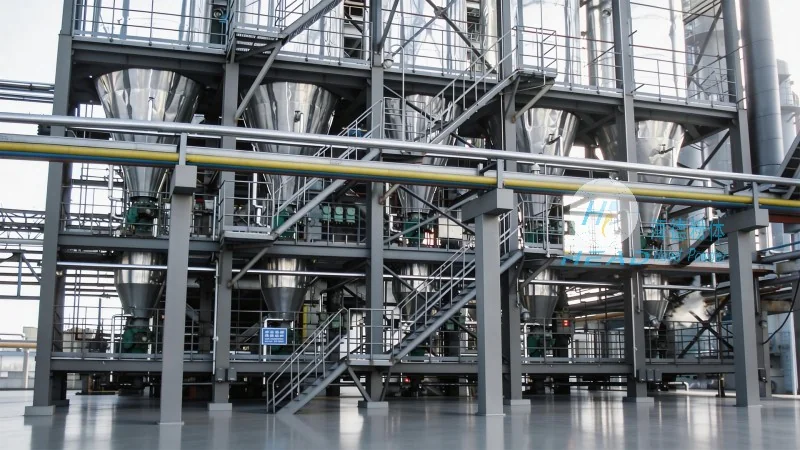
Positive pressure conveying, or pressure conveying, operates by using a blower or compressor to generate pressure within the conveying line, pushing material from the source to the destination. This method is ideal for handling bulk materials, including coke powder, and is often preferred for applications requiring high throughput and short transport distances. One of the primary advantages of positive pressure conveying is its ability to handle large volumes of material efficiently, as the pressure system can maintain consistent flow rates even with varying material conditions. Additionally, this method is less susceptible to air leakage compared to negative pressure systems, as the conveying line is under positive pressure, reducing the risk of contamination and material loss.
Nevertheless, positive pressure conveying has its drawbacks. The high pressure required to move material can lead to increased wear and tear on equipment, such as the blower and conveying line, which may result in higher maintenance costs and shorter equipment lifespan. Furthermore, the method may not be suitable for handling very fine or delicate powders, as the high velocity of the material can cause particle breakage and degrade material quality. Another consideration is that positive pressure systems may require more space for installation, as the blower and other components need to be positioned to ensure proper airflow and pressure distribution.
Comparative Analysis: Negative vs. Positive Pressure Conveying
When comparing negative and positive pressure conveying for coke powder, several factors come into play. The choice between the two methods depends on the specific characteristics of the material, the distance and layout of the transport system, and the operational requirements of the facility. For instance, negative pressure conveying is often preferred for applications requiring gentle material handling, long transport distances, or where the material is sensitive to high velocities. In contrast, positive pressure conveying is better suited for high-volume applications, short transport distances, or where the material is less delicate and can withstand higher pressure and velocity.
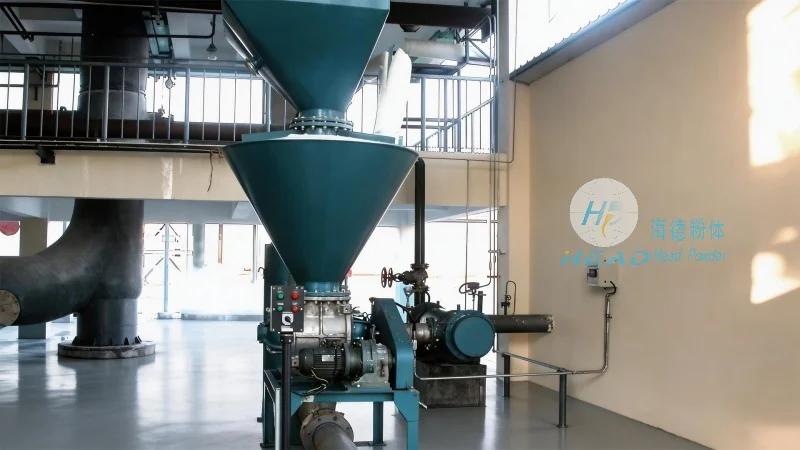
Energy consumption is another critical factor. Negative pressure systems typically consume less energy than positive pressure systems, as they rely on the vacuum pump to draw material rather than pushing it with high pressure. However, the vacuum pump may require more maintenance due to the continuous operation under vacuum conditions. Positive pressure systems, while more energy-intensive, may have lower maintenance costs as they operate under positive pressure, reducing the risk of air leakage and equipment wear.
Cost considerations also play a significant role. The initial investment for a negative pressure system may be higher due to the need for airtight components and vacuum pumps, but the operational costs may be lower due to reduced energy consumption. Positive pressure systems may have lower initial costs but higher operational costs due to the need for more robust equipment and higher energy usage. Ultimately, the cost-effectiveness of each system depends on the specific operational parameters and the duration of the project.
Conclusion and Recommendations
Both negative pressure and positive pressure conveying offer viable solutions for coke powder transport, each with its own set of advantages and disadvantages. The optimal choice depends on a thorough evaluation of the material properties, transport requirements, and operational constraints. At Shandong HeadPowder Engineering Co., Ltd., we recommend conducting a comprehensive analysis of your specific needs to determine the most suitable conveying method. Our team of experts can provide detailed assessments and customized solutions to ensure that your coke powder conveying system is efficient, reliable, and cost-effective.