

How to Prevent Pipeline Blockages in Pneumatic Conveying Systems for Cement Fly Ash and Mineral Powd
Shandong HeadPowder Engineering Co., Ltd., commonly known as headpowder, specializes in providing advanced pneumatic conveying solutions tailored for the transportation of cement fly ash and mineral powders. With headquarters located in Shandong, China, the company has extensive experience in designing and implementing systems that ensure efficient and reliable material handling while minimizing operational challenges such as pipeline blockages. This article explores effective strategies to prevent blockages in pneumatic conveying systems and highlights the critical design parameters that contribute to their successful operation.
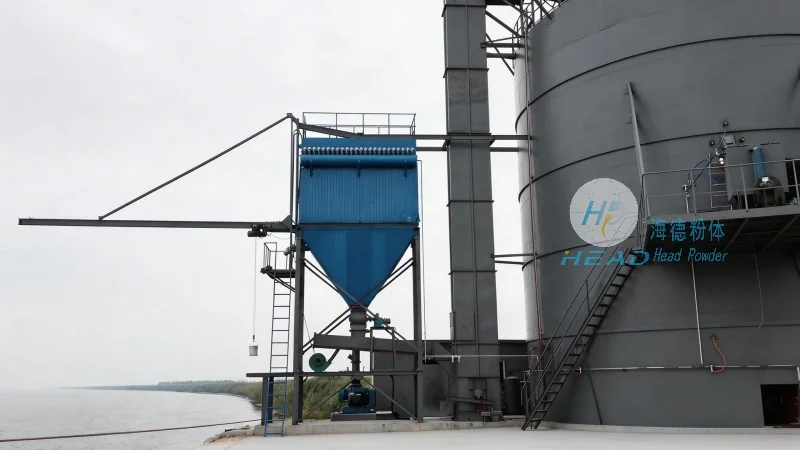
Understanding the Challenges of Pipeline Blockages in Pneumatic Conveying
Pipeline blockages are a common issue in pneumatic conveying systems, particularly when handling fine powders like cement fly ash and mineral powders. These materials can agglomerate, stick to the inner walls of the pipeline, or form dense plugs due to factors like moisture content, particle size distribution, and the velocity of the conveying air. Blockages not only disrupt production processes but also increase maintenance costs and reduce system efficiency. Therefore, understanding the root causes of blockages is essential for designing a robust system that can handle these materials effectively.
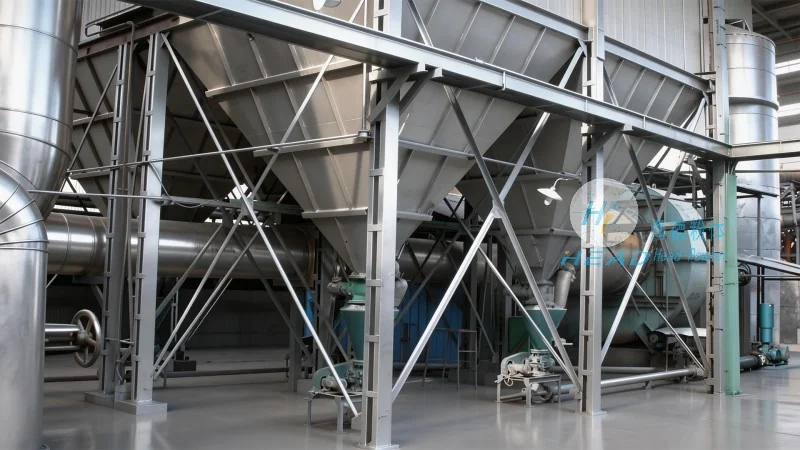
Key Design Parameters to Prevent Pipeline Blockages
Several key design parameters play a crucial role in preventing pipeline blockages in pneumatic conveying systems for cement fly ash and mineral powders. These parameters need to be carefully selected and optimized based on the specific characteristics of the material being conveyed and the operational requirements of the system.
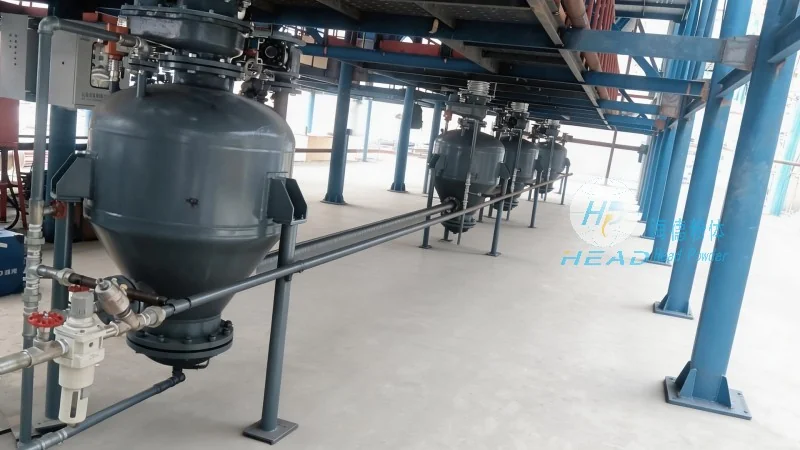
- System Pressure and Air Velocity: The pressure and velocity of the conveying air are fundamental to the system's performance. Higher air velocity can help maintain the material in suspension, reducing the risk of agglomeration and blockages. However, excessive velocity may lead to increased energy consumption and wear on components. The optimal pressure and velocity are determined by the particle size, density, and flowability of the material.
- Pipeline Diameter and Length: The diameter of the pipeline directly affects the flow rate and pressure drop. Larger diameters can accommodate higher material flow rates but may require higher air volumes, potentially increasing energy costs. The length of the pipeline also impacts the pressure drop, as longer runs increase the resistance to flow. Proper sizing of the pipeline diameter and length is critical to maintaining a consistent flow and preventing excessive pressure buildup that could lead to blockages.
- Gas-Solid Ratio (GSR): The gas-solid ratio, which is the ratio of the volume of air to the volume of material being conveyed, is a critical parameter. An appropriate GSR ensures that the material remains suspended and does not settle out of the air stream. A low GSR may result in insufficient air to keep the material in suspension, leading to blockages, while an excessively high GSR increases energy consumption without improving conveying efficiency. The optimal GSR is determined by the material's properties and the system's design.
- Pipe Bends and Elbows: The design and placement of pipe bends and elbows are important considerations. Sharp bends can cause turbulence and pressure loss, potentially leading to material deposition and blockages. Using smooth, gradual bends or incorporating special fittings like expansion joints or flexible hoses can help reduce turbulence and maintain a consistent flow. The angle and radius of the bends should be selected based on the material's flow characteristics to minimize the risk of blockages.
- Material Characteristics: The physical properties of the cement fly ash and mineral powders, such as particle size, density, moisture content, and flowability, significantly impact the system's performance. Fine particles are more prone to agglomeration and blockages due to their high surface area and tendency to stick together. Materials with high moisture content may also cause clumping, leading to blockages. Understanding these characteristics and selecting appropriate equipment and system parameters is essential to prevent blockages.
- System Maintenance and Monitoring: Regular maintenance and monitoring of the pneumatic conveying system are vital to preventing blockages. This includes cleaning the pipeline, checking for wear and tear on components, and monitoring pressure and flow rates. Implementing a preventive maintenance schedule can help identify potential issues before they lead to blockages. Additionally, using sensors and monitoring systems to track the system's performance in real-time can provide early warnings of potential problems.
Conclusion: Optimizing Pneumatic Conveying Systems for Reliable Operation
Preventing pipeline blockages in pneumatic conveying systems for cement fly ash and mineral powders requires a comprehensive approach that considers multiple design parameters and material characteristics. By carefully selecting and optimizing parameters such as system pressure, air velocity, pipeline diameter, gas-solid ratio, and pipe bends, along with regular maintenance and monitoring, operators can ensure the efficient and reliable operation of their systems. Shandong HeadPowder Engineering Co., Ltd. provides expert guidance and customized solutions to help clients achieve these goals, ensuring that their pneumatic conveying systems operate at peak performance with minimal downtime and maintenance costs.