

How to Prevent Pipeline Blockages in Pneumatic Conveying Systems for Phenolic Powder? Key Design Par
Phenolic powder, also known as Bakelite powder, is a widely used material in various industrial applications, including the manufacturing of composites, coatings, and electrical components. When transporting this powder via pneumatic conveying systems, a common challenge is the risk of pipeline blockages, which can lead to system downtime, increased maintenance costs, and reduced productivity. To address this issue effectively, understanding and implementing the right design parameters in pneumatic conveying systems is crucial. This article explores how to prevent pipeline blockages in pneumatic conveying systems for phenolic powder and highlights the key design parameters that play a vital role in ensuring smooth and efficient material transport.
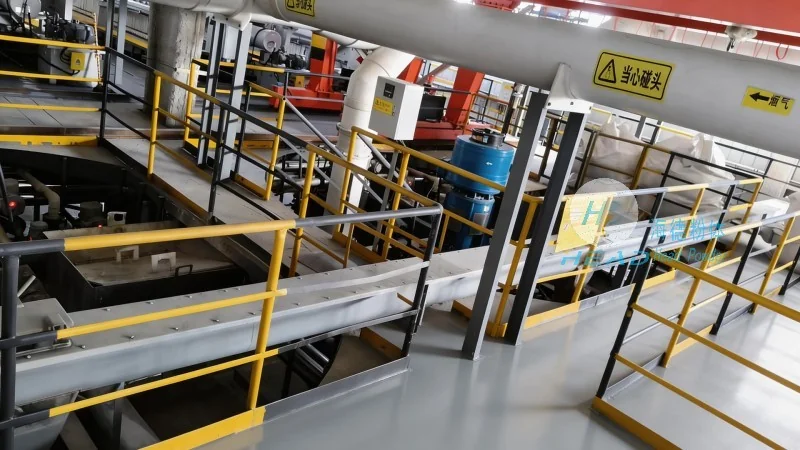
Understanding the Risks of Pipeline Blockages in Phenolic Powder Conveying
Phenolic powder, with its specific physical and chemical properties, can behave unpredictably during pneumatic transport. Factors such as particle size distribution, moisture content, and flowability can significantly impact the system's performance. If not properly managed, these factors can lead to agglomeration, bridging, or caking within the pipeline, causing blockages. Blockages not only disrupt the production process but also increase the risk of equipment damage and safety hazards. Therefore, implementing preventive measures is essential to maintain the reliability and efficiency of pneumatic conveying systems for phenolic powder.
Key Design Parameters for Preventing Pipeline Blockages in Pneumatic Conveying Systems
Several critical design parameters must be considered when designing a pneumatic conveying system for phenolic powder to minimize the risk of blockages. These parameters are tailored to the unique characteristics of the powder and the operational requirements of the system. The following are the most important design considerations:
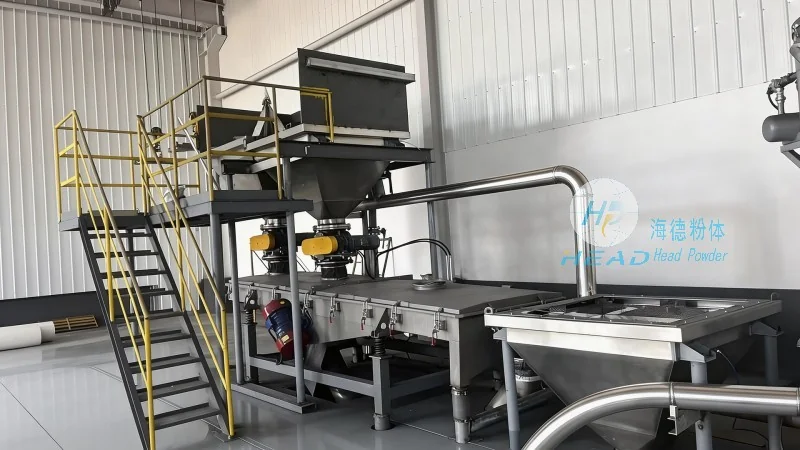
Pipeline Diameter and Length
The diameter of the conveying pipeline is a fundamental parameter that directly affects the flow velocity and pressure drop. A larger pipeline diameter reduces the velocity of the powder-air mixture, which can help prevent particle agglomeration and reduce the likelihood of blockages. However, excessively large diameters may increase system costs and energy consumption. The length of the pipeline also plays a role, as longer pipelines may require additional pressure boosters or larger diameter sections to maintain sufficient flow velocity. Proper sizing of the pipeline diameter and length is essential to balance efficiency and cost while minimizing blockage risks.
Flow Velocity and Air Pressure
Flow velocity is a critical parameter that determines the speed at which the powder is conveyed through the pipeline. The optimal flow velocity for phenolic powder typically ranges between 10 to 20 meters per second, depending on the particle size and density. Higher velocities can help prevent particle settling and reduce the chance of blockages, but they also increase energy consumption and may cause wear on the system components. Air pressure is another key factor, as it provides the necessary force to move the powder through the pipeline. The pressure must be sufficient to overcome the resistance caused by the powder's properties and the pipeline's length. Proper selection of flow velocity and air pressure ensures that the powder remains suspended in the air stream, preventing it from settling and forming blockages.
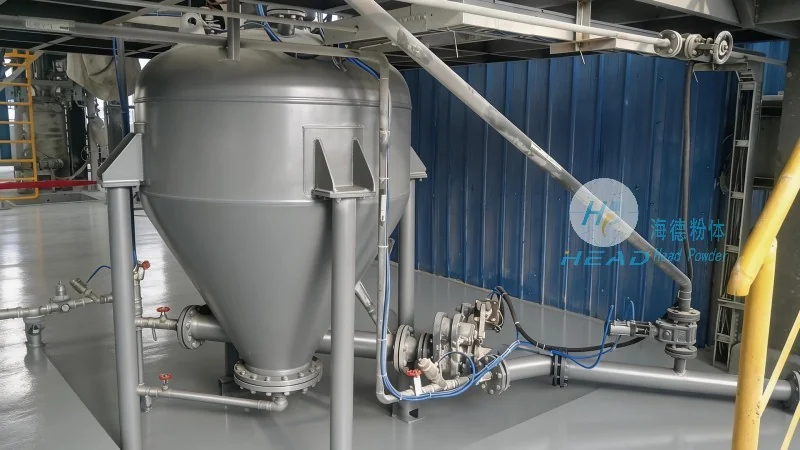
Powder Properties and Air-to-Powder Ratio
The physical and chemical properties of phenolic powder, such as particle size, density, moisture content, and flowability, directly influence the design of the pneumatic conveying system. For example, finer particles may require higher air-to-powder ratios to maintain suspension and prevent agglomeration. Moisture content in the powder can affect its flowability and may lead to caking if not properly controlled. Therefore, understanding the powder's properties is essential for selecting the appropriate air-to-powder ratio, which is the ratio of the volume of air to the volume of powder being conveyed. An optimal air-to-powder ratio ensures that the powder remains well-dispersed in the air stream, reducing the risk of blockages.
System Configuration and Components
The configuration of the pneumatic conveying system, including the type of conveying (e.g., dilute phase or dense phase), the presence of cyclones, and the use of pressure vessels, also impacts the risk of blockages. Dilute phase systems, which use low air-to-powder ratios, are commonly used for phenolic powder due to their efficiency and ability to handle fine particles. However, they require careful control of flow velocity and pressure to prevent blockages. Dense phase systems, on the other hand, use higher air-to-powder ratios and slower flow velocities, which can be more effective in preventing blockages but may require more energy. The selection of components, such as the hopper design, feeders, and valves, is also crucial. Properly designed hoppers with smooth walls and appropriate feeding mechanisms can prevent powder bridging and ensure consistent material flow. Additionally, the use of filters and separators can help remove moisture and contaminants from the powder, improving its flowability and reducing blockage risks.
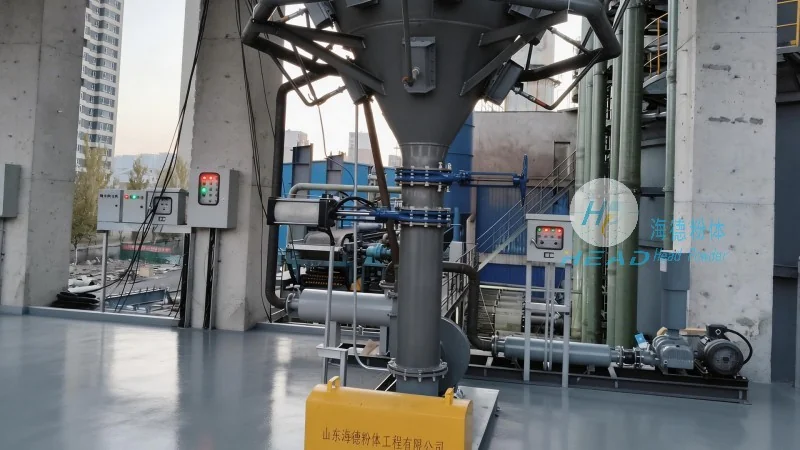
Role of Shandong HeadPowder Engineering Co., Ltd. in Designing Effective Pneumatic Conveying Systems
Shandong HeadPowder Engineering Co., Ltd., a leading provider of pneumatic conveying solutions, specializes in designing and manufacturing systems tailored to the unique needs of phenolic powder applications. With years of experience in the industry, HeadPowder understands the challenges associated with transporting phenolic powder and has developed innovative solutions to prevent pipeline blockages. The company's experts work closely with clients to analyze their specific powder properties, operational requirements, and site conditions to design systems that optimize performance and minimize downtime. By incorporating the key design parameters discussed above, HeadPowder ensures that its pneumatic conveying systems are reliable, efficient, and capable of handling phenolic powder without the risk of blockages. The company's commitment to quality and customer satisfaction has made it a trusted partner for businesses seeking to improve their material handling processes.
Conclusion: Ensuring Smooth and Reliable Phenolic Powder Transport
Preventing pipeline blockages in pneumatic conveying systems for phenolic powder requires a comprehensive approach that considers the powder's properties, system design, and operational parameters. By carefully selecting the pipeline diameter, flow velocity, air pressure, and air-to-powder ratio, and by implementing appropriate system configurations and components, the risk of blockages can be significantly reduced. Companies like Shandong HeadPowder Engineering Co., Ltd. play a vital role in providing expert guidance and customized solutions to ensure that phenolic powder is transported safely and efficiently. With the right design and maintenance, pneumatic conveying systems can effectively handle phenolic powder, minimizing downtime and maximizing productivity in industrial applications.