When it comes to handling sensitive materials that are prone to oxidation or contamination, the use of nitrogen-protected material handling equipment has become a critical solution in various industrial sectors. This equipment is designed to maintain an inert atmosphere, typically by using nitrogen gas to displace oxygen and other reactive gases from the system. The primary goal is to preserve the quality and integrity of the materials being transported, ensuring they remain in their optimal state until they reach their final destination. For industries such as pharmaceuticals, food processing, and specialty chemicals, where product purity is paramount, this type of equipment plays a vital role in maintaining compliance with stringent quality standards. Shandong HeadPowder Engineering Co., Ltd., a leading manufacturer based in Shandong, China, specializes in the design and production of advanced nitrogen-protected material handling systems tailored to meet the diverse needs of these industries.
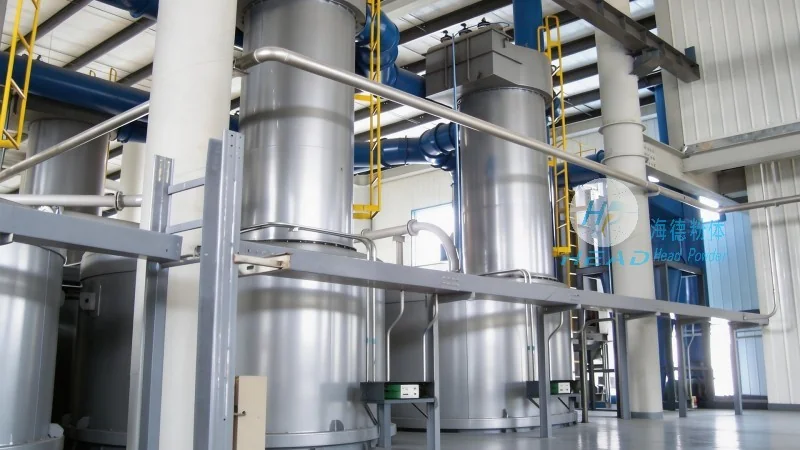
Understanding the Core Function of Nitrogen-Protected Systems
At the heart of nitrogen-protected material handling equipment lies the principle of creating and maintaining an inert gas environment. The system typically operates by first purging the entire conveying line with nitrogen gas, effectively removing oxygen and moisture that could lead to material degradation. Once the line is purged, a continuous flow of nitrogen is maintained to prevent any reentry of ambient air. This process is crucial for materials that are sensitive to moisture, oxygen, or other atmospheric components, as even trace amounts can cause chemical reactions or physical changes that compromise product quality. The equipment is often integrated with sensors and control systems to monitor the nitrogen levels and pressure, ensuring that the protective atmosphere is consistently maintained throughout the material transport process.
Design Principles Behind Nitrogen-Protected Conveying Systems
The design of nitrogen-protected material handling equipment involves several key principles aimed at maximizing efficiency and reliability. One of the primary considerations is the selection of appropriate materials for the construction of the conveying components. Components such as hoppers, ducts, and valves are often made from corrosion-resistant materials like stainless steel or specialized alloys to withstand the effects of the inert gas environment and the materials being handled. Additionally, the system is engineered to minimize dead zones and areas where material can accumulate, as these areas can become sites for oxidation or contamination. The use of smooth, non-porous surfaces further reduces the risk of material adhesion and microbial growth, which is particularly important in industries like food and pharmaceuticals.
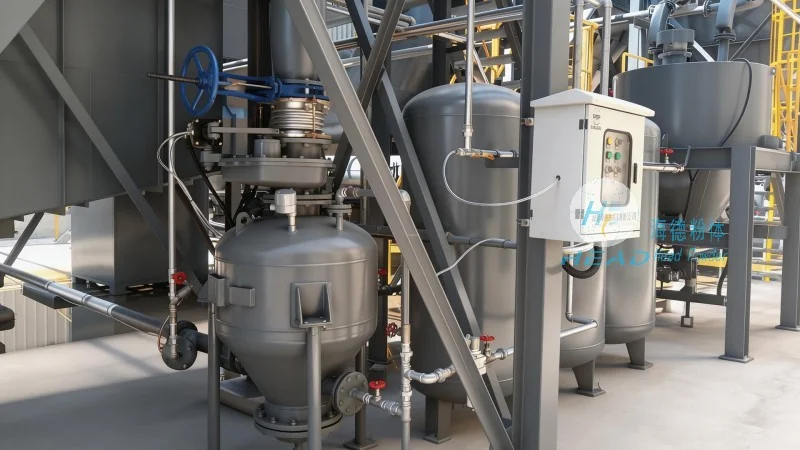
Key Components and Their Roles in the System
Several key components work together to ensure the effective operation of nitrogen-protected material handling equipment. The nitrogen gas source, which can be a high-purity nitrogen cylinder or a nitrogen generator, provides the inert gas needed to maintain the protective atmosphere. The gas is then fed into the system through a control valve, which regulates the flow rate and pressure. A gas distribution system, including manifolds and piping, ensures that the nitrogen is evenly distributed throughout the conveying line. Pressure sensors and alarms are integrated into the system to monitor the nitrogen pressure and alert operators if there are any drops or fluctuations, preventing potential material exposure to air. Additionally, the equipment may include dust collection systems and filtration units to maintain air quality and prevent contamination from external sources.
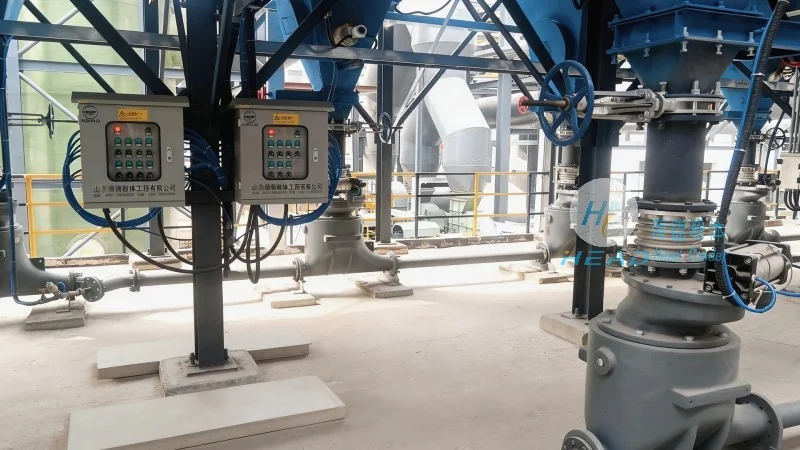
Applications and Industries Benefiting from Nitrogen-Protected Equipment
Nitrogen-protected material handling equipment is widely used across various industries where material integrity is critical. In the pharmaceutical industry, it is used to transport active pharmaceutical ingredients (APIs) and finished drug products to prevent oxidation and maintain their efficacy. In food processing, it helps in the handling of sensitive food powders, such as spices, vitamins, and flavorings, ensuring they remain fresh and free from spoilage. The chemical industry also relies on this equipment for the transport of specialty chemicals, including those that are sensitive to moisture or air, such as polymers and catalysts. Furthermore, in the electronics manufacturing sector, nitrogen-protected conveying systems are used to handle components that are susceptible to moisture damage, ensuring the quality of the final products.
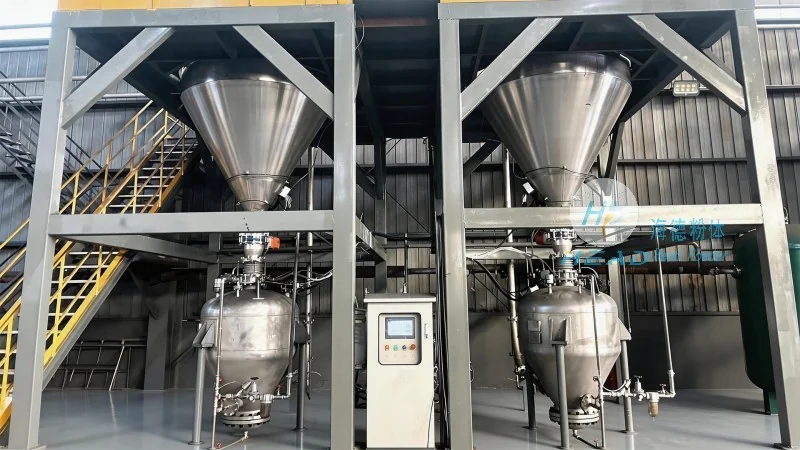
Advantages of Using Nitrogen-Protected Material Handling Equipment
Implementing nitrogen-protected material handling equipment offers several significant advantages for industrial operations. One of the most notable benefits is the preservation of material quality, which directly impacts product performance and customer satisfaction. By preventing oxidation, moisture absorption, and contamination, the equipment helps maintain the chemical and physical properties of the materials, ensuring they meet or exceed industry standards. Another advantage is the reduction in product waste and rework, as the risk of material degradation is minimized. This leads to cost savings in terms of material handling, quality control, and end-product quality. Additionally, the use of nitrogen-protected systems can enhance safety in the workplace by reducing the risk of fire or explosion, especially when handling flammable or reactive materials. The consistent maintenance of an inert atmosphere also contributes to a more stable and predictable production process, improving overall operational efficiency.
Maintenance and Operational Considerations for Nitrogen-Protected Systems
Proper maintenance and operational practices are essential to ensure the long-term effectiveness and reliability of nitrogen-protected material handling equipment. Regular inspections of the gas supply system, including cylinders, regulators, and piping, are necessary to check for leaks or pressure drops. The nitrogen generator, if used, should be maintained according to the manufacturer's guidelines to ensure consistent purity levels. The conveying components, such as hoppers and ducts, should be cleaned regularly to prevent material buildup and contamination. Monitoring the nitrogen levels and pressure continuously helps in early detection of any issues, allowing for timely intervention. Training operators on the proper use and maintenance of the equipment is also crucial to prevent operational errors that could compromise the protective atmosphere. By adhering to these maintenance and operational practices, industries can maximize the lifespan and performance of their nitrogen-protected material handling systems.




