

How to Prevent Pipeline Blockages in Vanadium Oxide Conveying with Pneumatic Conveying Systems? Key
Vanadium oxide is a critical raw material in various industrial applications, and its efficient and safe transportation is essential for maintaining production efficiency. However, the unique physical properties of vanadium oxide, such as its high density, abrasive nature, and tendency to agglomerate, can pose significant challenges during pneumatic conveying. One of the most common issues is pipeline blockage, which can lead to costly downtime and operational disruptions. This article explores effective strategies to prevent pipeline blockages in vanadium oxide conveying systems and highlights the key design parameters that contribute to a reliable and efficient operation.
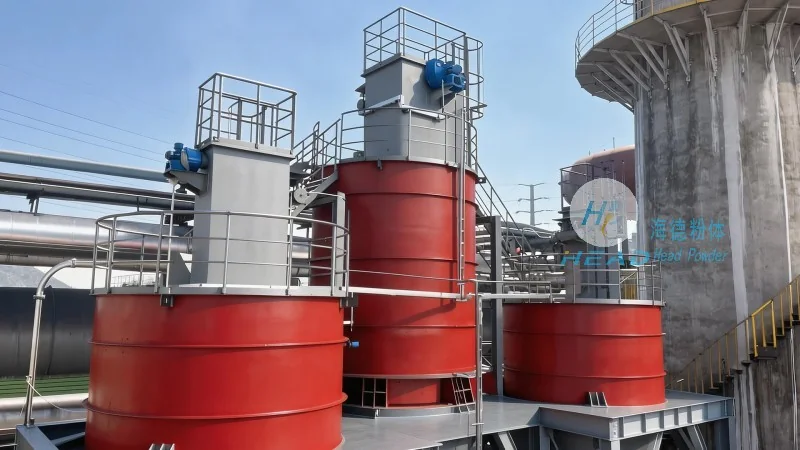
Understanding the Challenges of Vanadium Oxide Conveying
Vanadium oxide, often found in forms like V₂O₅, exhibits properties that make conventional conveying methods less effective. Its high density and abrasive characteristics can quickly wear down equipment, while its tendency to form clumps or agglomerates can cause clogs in pipelines. Traditional methods like belt conveyors or screw conveyors may not be suitable due to the risk of material degradation and blockage. Pneumatic conveying, by contrast, offers a solution that can handle these challenges by using air to transport the material through a pipeline. However, the design of the system must be carefully optimized to prevent blockages and ensure smooth operation.
Key Design Parameters for Preventing Pipeline Blockages
Several critical design parameters play a vital role in preventing pipeline blockages during vanadium oxide conveying. These parameters are tailored to the specific characteristics of the material and the operational requirements of the plant. The first parameter is the air velocity within the pipeline. Maintaining an appropriate air velocity is crucial to ensure that the material is fully suspended and transported without settling or agglomerating. Insufficient air velocity can lead to material deposition on the pipe walls, while excessive velocity may cause excessive wear on the system components. For vanadium oxide, an air velocity typically ranging from 20 to 30 meters per second is recommended to achieve optimal suspension and prevent blockages.
Another key parameter is the pipeline diameter and length. The diameter of the pipeline must be sufficient to accommodate the material flow without causing excessive pressure drops or turbulence. A larger diameter reduces the risk of blockage by providing more space for the material to move freely. The length of the pipeline also affects the design, as longer pipelines require more air pressure and may need additional air injection points to maintain the material in suspension. Proper sizing of the pipeline diameter and length is essential to balance the conveying efficiency with the prevention of blockages.
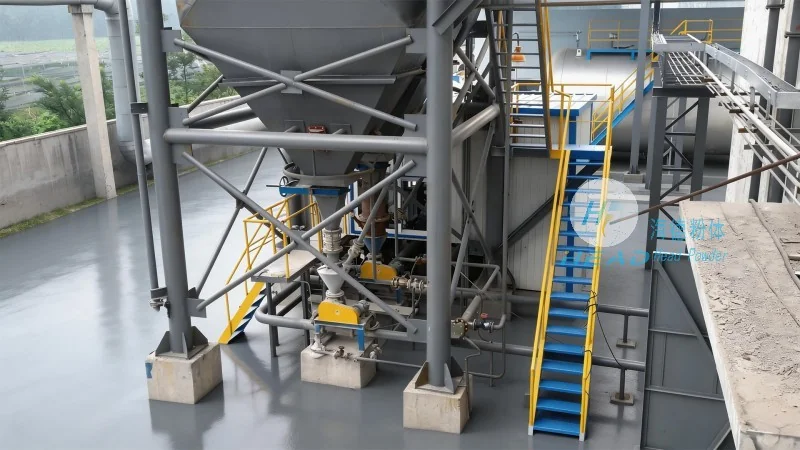
The material's flowability and particle size distribution are also critical factors. Vanadium oxide particles often have a wide range of sizes, and the presence of fine particles can increase the risk of clogging. To mitigate this, the material may need to be pre-treated, such as by adding a small amount of fluid or using a conditioning agent, to improve its flowability. Additionally, the use of a consistent particle size distribution can help maintain a stable flow and reduce the likelihood of blockages. The design of the feeding system is equally important, as improper feeding can cause surges or uneven material distribution, leading to localized blockages.
System pressure and air supply are additional design considerations. The pressure within the pneumatic conveying system must be sufficient to overcome the resistance of the pipeline and the material's density. However, excessive pressure can lead to increased wear on the equipment and potential safety hazards. The air supply system should be designed to provide a stable and consistent pressure, with adequate capacity to handle peak demand periods. This ensures that the system operates within its optimal range and prevents pressure fluctuations that could cause blockages.
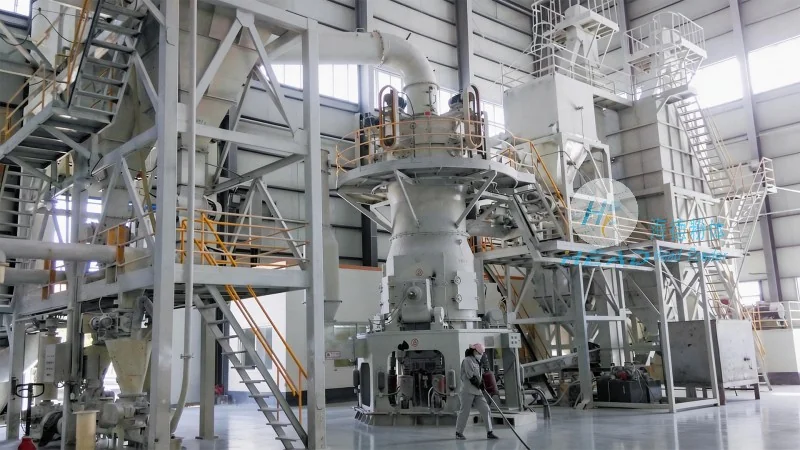
The Role of HeadPowder in Optimizing Vanadium Oxide Conveying Systems
Shandong HeadPowder Engineering Co., Ltd. specializes in the design, manufacturing, and installation of advanced pneumatic conveying systems tailored to the unique needs of industries handling vanadium oxide and other challenging materials. With years of experience in the field, HeadPowder understands the critical importance of preventing pipeline blockages and has developed innovative solutions to address this challenge. The company's engineers work closely with clients to analyze their specific material properties, operational requirements, and site conditions to design a system that meets their needs while ensuring maximum efficiency and reliability.
HeadPowder's approach to system design emphasizes the integration of the key parameters discussed above. By carefully selecting the appropriate air velocity, pipeline dimensions, and material handling methods, the company ensures that the conveying system operates smoothly and without blockages. The company also provides comprehensive support, including system maintenance and troubleshooting services, to help clients maintain optimal performance over the long term. This commitment to quality and customer satisfaction has made HeadPowder a trusted partner for industries relying on efficient vanadium oxide transportation.
Conclusion: Ensuring Reliable Vanadium Oxide Conveying
Preventing pipeline blockages in vanadium oxide conveying systems requires a systematic approach that considers the material's unique properties and the operational requirements of the plant. By focusing on key design parameters such as air velocity, pipeline diameter, material flowability, and system pressure, engineers can design a reliable pneumatic conveying system that minimizes the risk of blockages and ensures smooth operation. Companies like Shandong HeadPowder Engineering Co., Ltd. play a crucial role in implementing these solutions, providing expert guidance and tailored systems that meet the specific needs of their clients. With the right design and maintenance, pneumatic conveying can be an effective and efficient method for transporting vanadium oxide, contributing to the overall productivity and success of industrial operations.