

Working Principle and Features of Quicklime Material Handling Systems
Quicklime, also known as calcium oxide, is a vital industrial material employed across diverse sectors such as construction, chemical manufacturing, and environmental remediation. The efficient and reliable transportation of quicklime from production sites to end-users is paramount for sustaining production efficiency and ensuring product quality. This article provides an in-depth examination of the working principles and key features of modern quicklime material handling systems, highlighting technological advancements and operational advantages that define this critical industrial equipment.
Working Principle of Quicklime Material Handling Systems
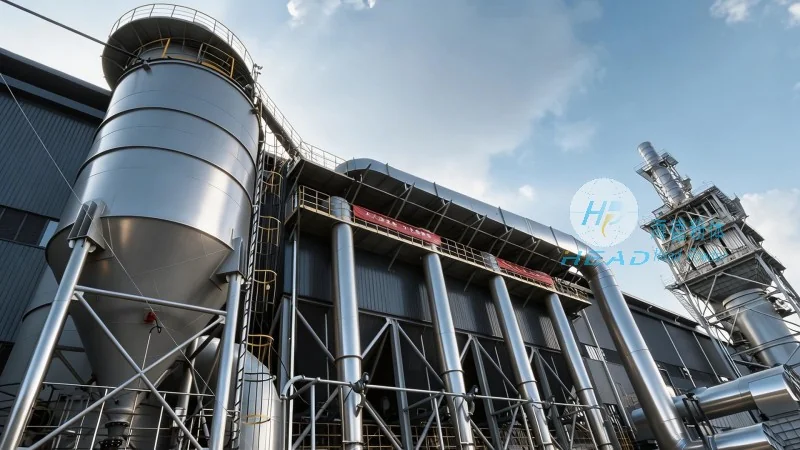
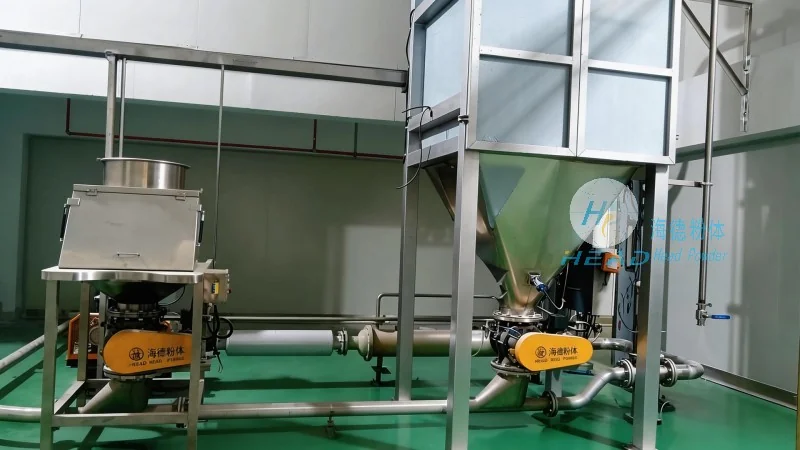
The fundamental working principle of quicklime material handling systems centers on the integration of essential components, including storage silos, conveying equipment, and control systems. The process typically initiates with the storage of quicklime in large, airtight silos designed to prevent moisture absorption and preserve the material's quality. From the silos, the material is then transferred to conveying equipment, which can comprise screw conveyors, belt conveyors, or pneumatic systems, contingent upon the specific application and material characteristics.
For screw conveyors, quicklime is fed into a rotating screw that moves the material along a trough. This method proves highly effective for handling dry, free-flowing materials like quicklime, as it offers consistent and controlled movement without requiring additional power beyond the screw's rotation. Belt conveyors, conversely, utilize a continuous belt to transport the material over a series of rollers, providing higher capacity and longer transport distances. Pneumatic systems, which employ air pressure to move the material through pipes, are ideal for applications demanding dust-free and enclosed transport, though they may have limitations regarding material size and moisture content.
The control system plays a vital role in coordinating the entire operation. It monitors the level of quicklime in the silos, controls the flow rate from the silos to the conveyors, and ensures material delivery to the desired destination, such as a processing plant or storage area. Advanced control systems may also incorporate sensors to detect blockages or overfilling, providing real-time alerts to operators and preventing potential equipment damage or material loss.
Key Features of Quicklime Material Handling Systems
Modern quicklime material handling systems are characterized by several key features that enhance performance, safety, and efficiency. One of the most significant features is the use of corrosion-resistant materials, such as stainless steel or specialized alloys, in the construction of silos and conveying components. Quicklime is highly reactive and can cause corrosion in standard materials, so employing durable, non-reactive materials is essential to ensure equipment longevity and prevent product contamination.
Another critical feature is the integration of dust control measures. Quicklime is a fine powder that can generate substantial dust during handling, posing health risks to workers and affecting material quality. Advanced systems incorporate dust collection systems, such as bag filters or cyclone separators, to capture and remove dust particles, ensuring a clean and safe working environment. Additionally, some systems utilize enclosed conveyor designs to minimize dust exposure and improve overall safety.
Energy efficiency is also a key feature in modern quicklime handling systems. Many systems are equipped with variable speed drives (VSDs) that adjust the speed of conveying equipment based on material flow rate. This allows for optimal energy consumption, reducing operational costs while maintaining required throughput. Furthermore, the use of lightweight and compact designs helps minimize the system's footprint, making it suitable for both new installations and retrofitting existing facilities.
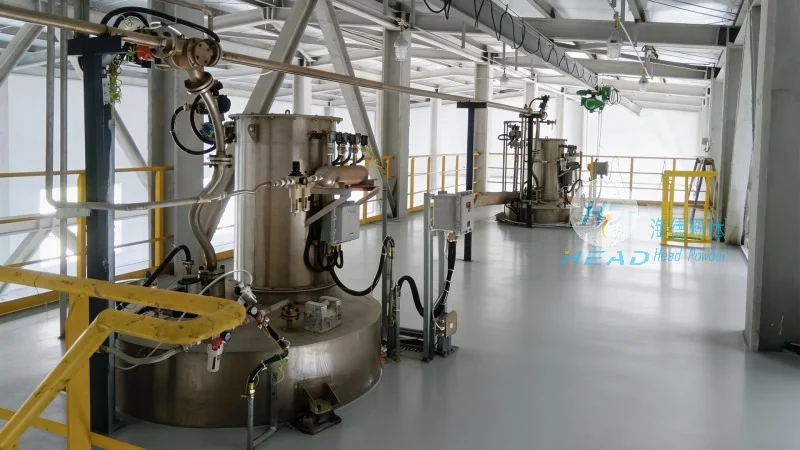
Operational safety is a top priority in quicklime material handling systems. The design incorporates multiple safety features, including emergency stop buttons, overload protection, and temperature monitoring. These features help prevent accidents and ensure the system operates within safe parameters. Additionally, the use of automated control systems reduces the need for manual intervention, minimizing human error risk and improving overall safety.
Applications and Benefits of Quicklime Material Handling Systems
Quicklime material handling systems are widely utilized in various industrial applications, including cement production, steel manufacturing, and water treatment. In cement production, quicklime serves as a key raw material used to produce clinker, which is then ground into cement. Efficient handling of quicklime ensures a consistent supply of raw material, leading to higher production rates and better product quality. In steel manufacturing, quicklime is used as a flux to remove impurities from iron ore, and the handling system must deliver the material to the blast furnace at a controlled rate.
The benefits of employing modern quicklime material handling systems extend beyond efficient material transport. These systems contribute to improved safety by reducing dust exposure and minimizing accident risks. They also enhance operational efficiency by providing consistent and reliable material flow, reducing downtime and increasing overall productivity. Additionally, advanced control systems enable better monitoring and management of the material handling process, allowing operators to make informed decisions and optimize system performance.