For industrial applications involving the transport of PVC powder, selecting the appropriate pneumatic conveying system is crucial for efficiency, safety, and cost-effectiveness. Pneumatic conveying systems utilize air or gas to move bulk materials like PVC powder from one location to another, offering advantages such as reduced equipment wear, minimal product contamination, and the ability to handle materials in a closed system. This article provides an overview of the classification of PVC powder pneumatic conveying systems and their practical applications, with a focus on the solutions offered by Shandong HeadPowder Engineering Co., Ltd.
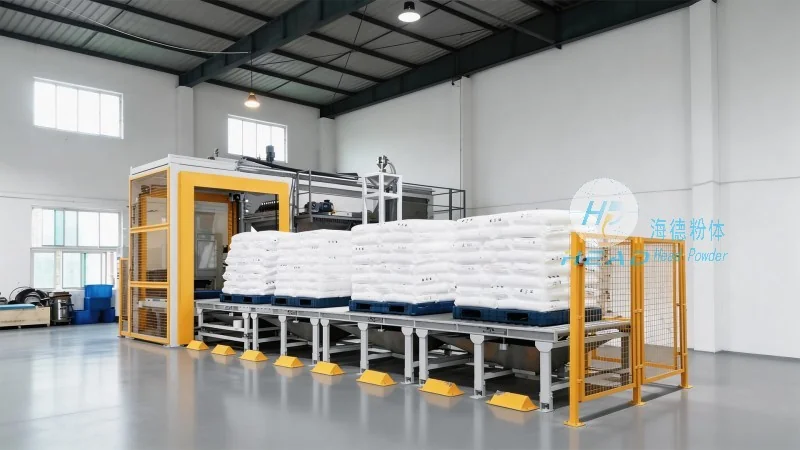
Classification of Pneumatic Conveying Systems for PVC Powder
Pneumatic conveying systems for PVC powder can be broadly categorized into two main types: pressure and vacuum systems. Each type has distinct characteristics and is suitable for different operational requirements.
Pressure Conveying Systems operate by generating positive pressure in the conveying line, typically using a positive displacement blower or a rotary lobe pump. These systems are ideal for long-distance or high-capacity applications, as they can maintain consistent flow rates and handle materials with higher moisture content or abrasive properties. Pressure systems are often preferred in industrial settings where the material needs to be transported over significant distances or through complex piping networks.
Vacuum Conveying Systems, on the other hand, use a vacuum pump to create a negative pressure in the system, drawing the material into the conveying line. This method is well-suited for short-distance transport, material recovery from hoppers or silos, and applications where the material is sensitive to pressure changes or where the system needs to be integrated with existing vacuum equipment. Vacuum systems are commonly used in environments where dust control and material containment are critical.
Within these categories, subtypes include dilute phase and dense phase systems. Dilute phase systems use low air-to-material ratios, resulting in high velocity and short conveying distances. Dense phase systems, conversely, use higher air-to-material ratios, creating a slurry-like flow that is more suitable for longer distances and materials that are prone to bridging or caking. For PVC powder, which can be fine and prone to static, dense phase systems may be preferred to prevent material degradation and ensure stable flow.
Key Components and Design Considerations for PVC Powder Conveying
The effectiveness of a PVC powder pneumatic conveying system depends on several key components and design choices. The selection of these components is critical to ensure optimal performance and longevity of the system.
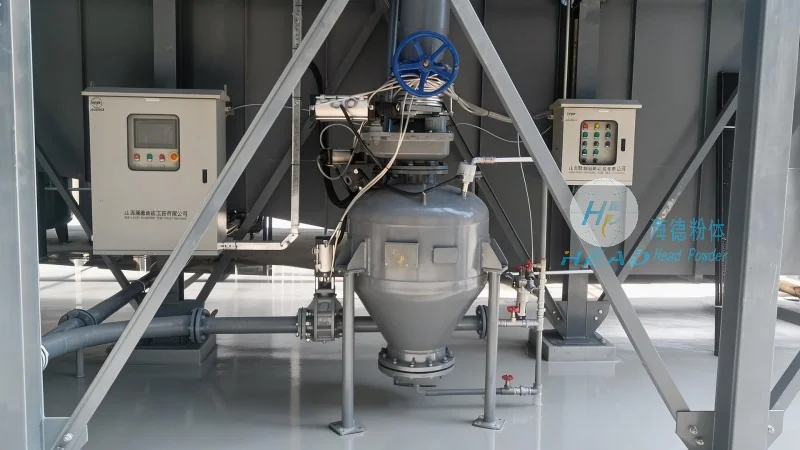
Feeder Systems are essential for controlling the flow rate of PVC powder into the conveying line. Screw feeders, rotary valves, and star feeders are commonly used. Screw feeders are suitable for free-flowing materials, while star feeders are ideal for cohesive or sticky powders like PVC, as they provide consistent feeding and prevent material buildup. The choice of feeder depends on the bulk density, flowability, and moisture content of the PVC powder.
Conveying Line Design plays a vital role in preventing material degradation and ensuring efficient transport. The diameter and length of the pipeline, as well as the material of construction (e.g., stainless steel, PTFE-coated steel), must be considered. PVC powder is often hygroscopic and can absorb moisture from the air, leading to clumping or caking. Therefore, using corrosion-resistant materials and maintaining proper temperature control in the conveying line can help maintain the material's quality. Additionally, the inclusion of bends, elbows, and expansion joints in the pipeline design should be minimized to reduce pressure losses and prevent material separation.
Filter and Dust Collection is a critical component for maintaining air quality and preventing dust emissions. As PVC powder is fine and can generate significant dust, a high-efficiency filter system is necessary to capture particles before they are released into the environment. The filter should be designed to handle the specific properties of PVC powder, such as its static charge, to ensure effective filtration and prevent re-entrainment of particles.
Control Systems are used to regulate the operation of the conveying system, including the feeder speed, air pressure, and vacuum levels. Automated control systems can optimize the conveying process, reduce energy consumption, and improve overall system efficiency. For PVC powder applications, where consistent flow rates are essential, advanced control systems can help maintain stable operation and prevent system downtime.
Applications of PVC Powder Pneumatic Conveying Systems
Pneumatic conveying systems for PVC powder are widely used in various industries, including manufacturing, construction, and chemical processing. The versatility of these systems makes them suitable for a range of applications, from material transfer within a facility to long-distance transport between plants.
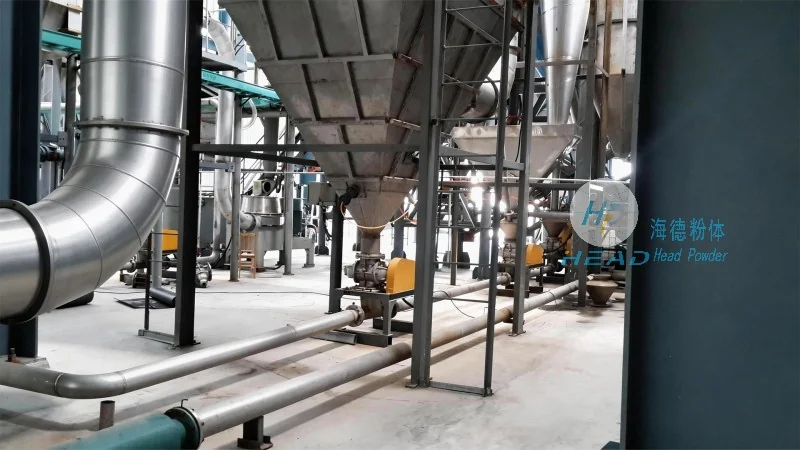
Manufacturing and Processing industries, such as PVC pipe and profile extrusion, rely on pneumatic conveying to transport raw PVC powder from storage silos to processing equipment. The ability to handle large volumes of material efficiently and maintain a clean, dust-free environment is crucial for these applications. For example, in the production of PVC pipes, the conveying system must ensure a consistent supply of powder to the extruder, which directly impacts the quality and consistency of the final product.
Construction and Building Materials sectors use PVC powder for the production of PVC compounds, which are used in roofing, flooring, and other building applications. Pneumatic conveying systems are used to transport the powder from storage to mixing and compounding equipment, ensuring that the material is mixed uniformly and without contamination. This is particularly important in the production of PVC compounds for outdoor use, where the material must meet strict durability and weather resistance standards.
Chemical and Pharmaceutical Industries also utilize pneumatic conveying for PVC powder, especially in applications where the material is used as a raw material for plasticizers or other chemical products. The closed system of pneumatic conveying helps maintain product purity and prevents cross-contamination, which is critical in these industries. Additionally, the ability to handle fine powders without generating excessive dust is essential for maintaining a safe working environment.
Material Recovery and Recycling is another important application of PVC powder pneumatic conveying systems. In recycling facilities, the system can be used to transport recycled PVC powder from sorting and cleaning processes to reprocessing equipment. This helps streamline the recycling process and improve the efficiency of material recovery. The closed system also minimizes the environmental impact by reducing dust emissions and preventing material loss.
Advantages of Using Pneumatic Conveying for PVC Powder
Compared to traditional methods like bucket elevators or belt conveyors, pneumatic conveying systems offer several advantages for handling PVC powder. These benefits include improved product quality, reduced labor costs, and enhanced safety.
Improved Product Quality is a key advantage, as pneumatic conveying systems operate in a closed environment, preventing exposure to moisture, contaminants, and air. This helps maintain the purity and quality of the PVC powder, which is critical for its end-use applications. Additionally, the gentle handling of the material reduces the risk of degradation, such as caking or agglomeration, which can affect the material's flowability and processing characteristics.
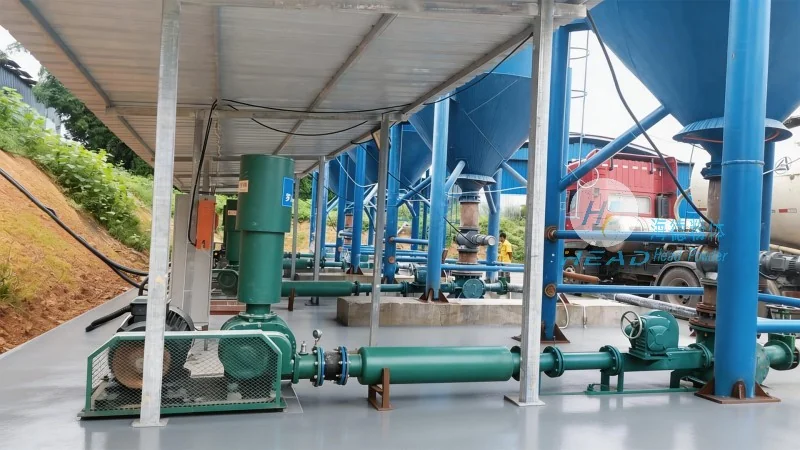
Reduced Labor Costs are another significant benefit. Pneumatic conveying systems can automate the material transport process, reducing the need for manual handling and labor-intensive operations. This not only lowers labor costs but also improves workplace safety by minimizing the risk of accidents associated with manual material handling.
Enhanced Safety is a critical consideration in industrial applications. Pneumatic conveying systems operate in a closed system, which helps contain dust and prevent the release of harmful particles into the air. This reduces the risk of respiratory illnesses and other health hazards associated with fine powder exposure. Additionally, the absence of moving parts in the conveying line (except for the feeder and air mover) reduces the risk of mechanical injuries.
Energy Efficiency is also a notable advantage. Modern pneumatic conveying systems are designed to be energy-efficient, with features such as variable speed drives and optimized air flow rates. This helps reduce energy consumption and operating costs, making the system more cost-effective in the long run.
Conclusion and Company Overview
Pneumatic conveying systems are an essential technology for the efficient and safe transport of PVC powder in various industrial applications. The classification of these systems, including pressure and vacuum types, as well as dilute and dense phase options, allows for tailored solutions to meet specific operational requirements. Key components such as feeders, conveying lines, filters, and control systems are critical to the system's performance and longevity.
Shandong HeadPowder Engineering Co., Ltd., a leading provider of pneumatic conveying solutions, specializes in designing and manufacturing customized systems for PVC powder applications. With a focus on quality, efficiency, and safety, the company offers a range of solutions that cater to the unique needs of each industrial application. By leveraging advanced technology and expertise, HeadPowder ensures that its systems deliver optimal performance and contribute to the success of its clients' operations.




