When it comes to the pneumatic conveying of petroleum coke powder, selecting the right system—whether positive pressure or negative pressure—is crucial for efficiency, cost-effectiveness, and operational safety. This article explores the key factors to consider when choosing between these two methods and provides practical guidance on how to distinguish between them.
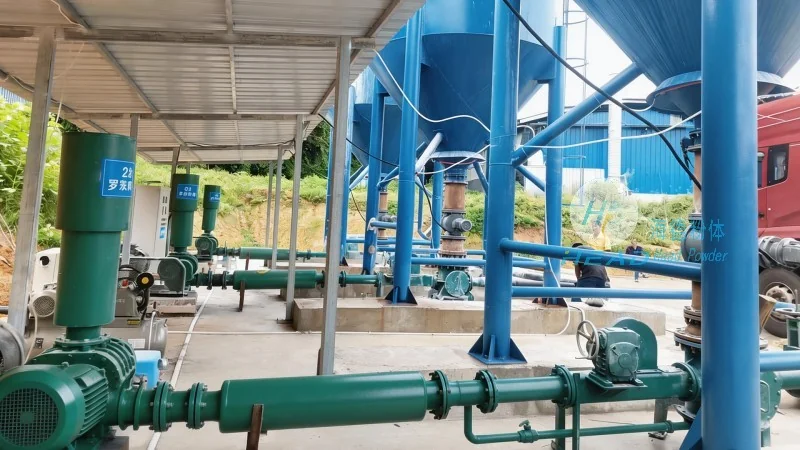
Understanding Pneumatic Conveying Systems
Pneumatic conveying is a widely used method for transporting bulk materials like petroleum coke powder, which are often dusty, abrasive, and require careful handling. The primary goal is to move the material from a source to a destination using air as the conveying medium. The two main types of pneumatic conveying systems are positive pressure and negative pressure, each with distinct characteristics and applications.
Positive Pressure Pneumatic Conveying
Positive pressure systems operate by blowing air into the conveying line, creating a pressure higher than the ambient air pressure. This method is particularly effective for transporting materials over long distances or through complex piping networks. The high pressure ensures that the material is continuously propelled forward, reducing the risk of blockages and ensuring consistent flow rates.
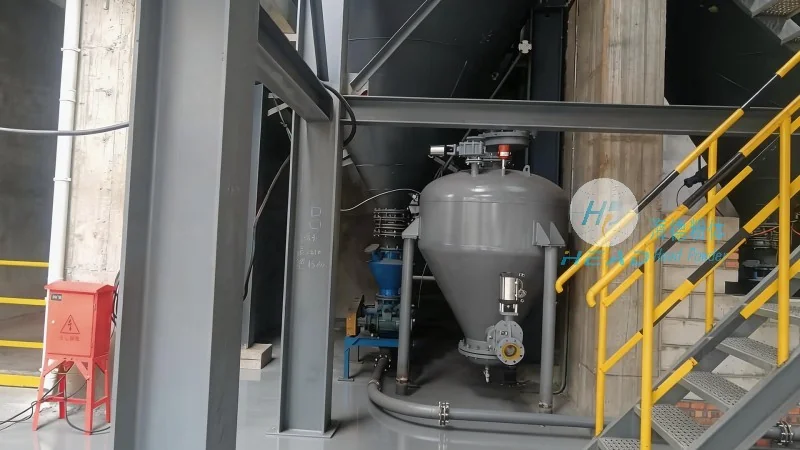
For petroleum coke powder, positive pressure systems are often preferred when the material needs to be conveyed from a central storage facility to multiple points of use. The ability to maintain a consistent pressure allows for reliable delivery, even in systems with multiple branches or changes in elevation. Additionally, positive pressure systems are generally easier to clean and maintain, as the air flow can be directed to flush out any accumulated material.
Negative Pressure Pneumatic Conveying
Negative pressure systems, also known as suction systems, work by creating a vacuum in the conveying line, drawing material from the source into the system. This method is ideal for applications where the material is to be collected from a dispersed source or when the material needs to be transported over relatively short distances. The low pressure environment reduces the risk of dust emissions and is often more suitable for handling fine powders that are prone to clogging.
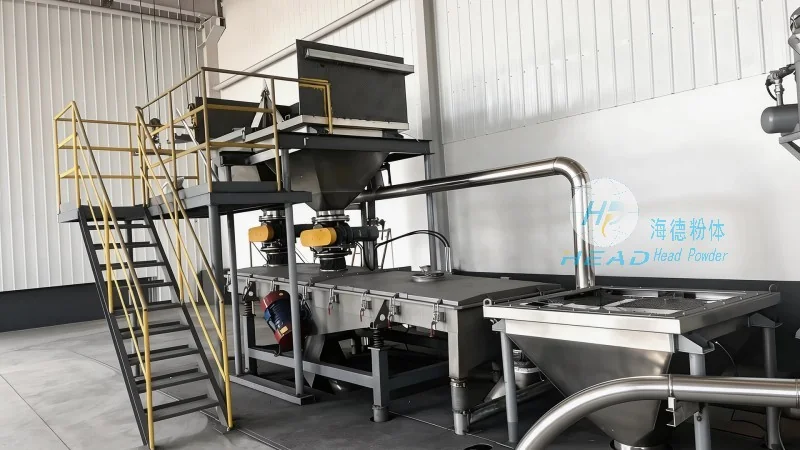
In the case of petroleum coke powder, negative pressure systems are commonly used when the material is being collected from a storage silo or a processing unit. The vacuum helps to draw the powder into the system without the need for high-pressure air, which can be more energy-efficient for shorter conveying distances. However, negative pressure systems may require more careful design to prevent air leaks and ensure consistent suction, as any loss of vacuum can lead to material loss or system inefficiency.
Distinguishing Between Positive and Negative Pressure Systems
Identifying the right pneumatic conveying system for petroleum coke powder involves evaluating several key factors, including the distance of the conveying line, the material's properties, and the system's overall cost and maintenance requirements. Here are the main criteria to consider:
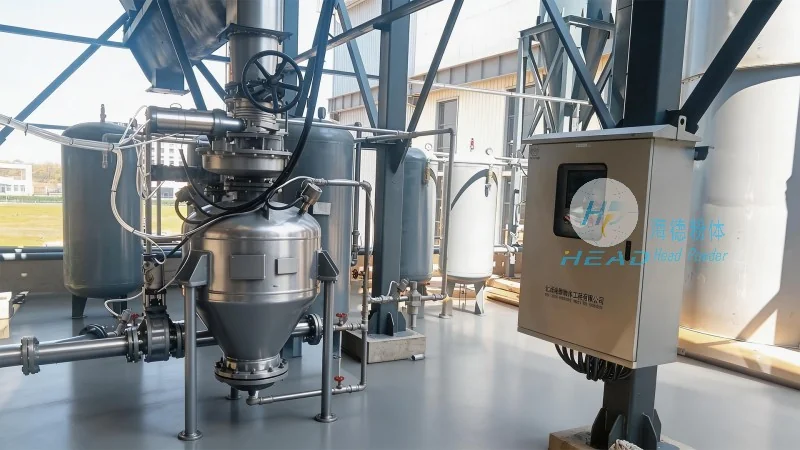
- Conveying Distance and Complexity: Positive pressure systems are generally more suitable for longer distances or complex piping layouts due to their ability to maintain consistent pressure. Negative pressure systems are better for shorter distances or simpler systems where the material is collected from a single source.
- Material Properties: Petroleum coke powder is often abrasive and dusty. Positive pressure systems can handle these characteristics better by providing a steady flow, while negative pressure systems may require additional filtration to prevent dust accumulation in the suction line.
- Energy Efficiency and Maintenance: Positive pressure systems typically consume more energy due to the need to generate high-pressure air, but they are easier to maintain as the air flow can be used for cleaning. Negative pressure systems are more energy-efficient for short distances but may require more frequent maintenance to ensure the vacuum system operates effectively.
- Environmental Considerations: Negative pressure systems are often preferred in applications where dust control is a priority, as they minimize emissions from the source. Positive pressure systems may require additional dust collection equipment to comply with environmental regulations.
Conclusion
Choosing between positive pressure and negative pressure pneumatic conveying for petroleum coke powder requires a careful assessment of the specific application requirements. By considering factors such as conveying distance, material properties, energy efficiency, and environmental impact, operators can select the most appropriate system to ensure reliable and efficient material transport. Whether opting for a positive pressure system for long-distance, high-volume conveying or a negative pressure system for short-distance, low-volume collection, the key is to match the system to the material's characteristics and operational needs.
Shandong HeadPowder Engineering Co., Ltd. specializes in providing customized pneumatic conveying solutions tailored to the unique needs of petroleum coke powder handling. With years of experience in the industry, our team of experts can help you evaluate the best system for your application, ensuring optimal performance and cost-effectiveness.




