

What is a Casting Gray Material Pneumatic Conveying System? And What Are Its Design Principles?
Casting gray material, often a byproduct of metal casting processes, requires efficient and reliable handling solutions. A pneumatic conveying system specifically designed for such materials offers a robust method to transport these powders or fine particulates from one location to another within industrial settings. This article explores the fundamental aspects of a casting gray material pneumatic conveying system, including its purpose, key components, and the underlying design principles that ensure optimal performance.
What is a Casting Gray Material Pneumatic Conveying System?
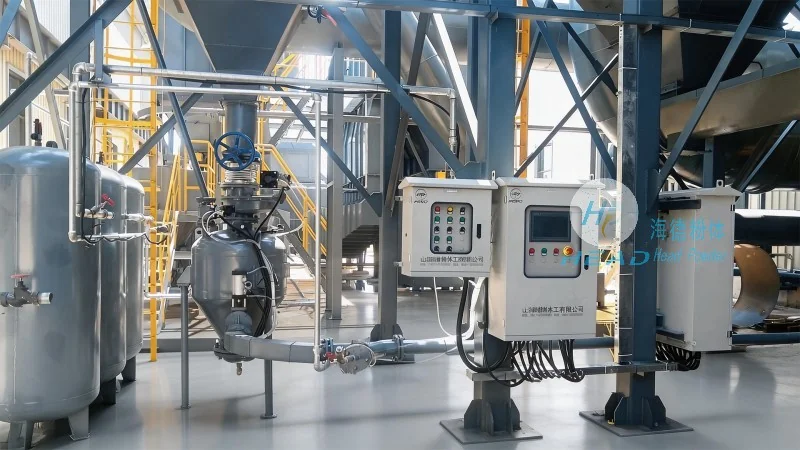
A casting gray material pneumatic conveying system is a type of industrial equipment used to transport dry, bulk materials like casting gray through the use of compressed air or other gases. Unlike traditional mechanical conveyors, which rely on belts, screws, or buckets, pneumatic systems utilize air pressure to move materials through a pipeline network. This method is particularly advantageous for handling fine powders or dusty materials, as it minimizes product contamination and reduces the risk of material degradation during transport.
Key Components of the System
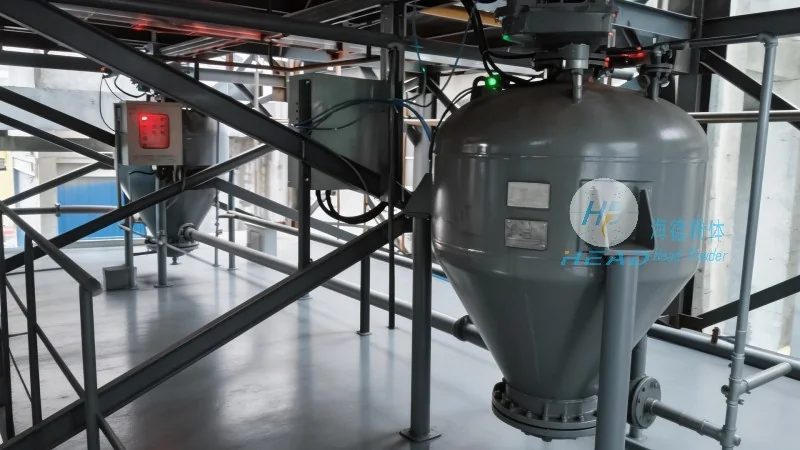
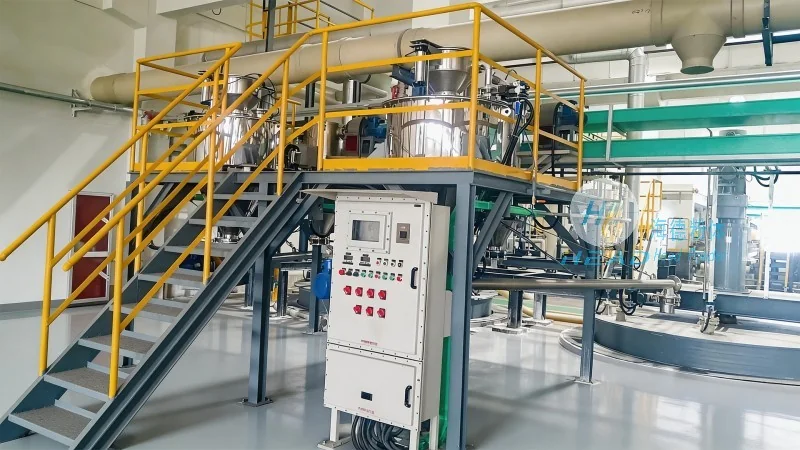
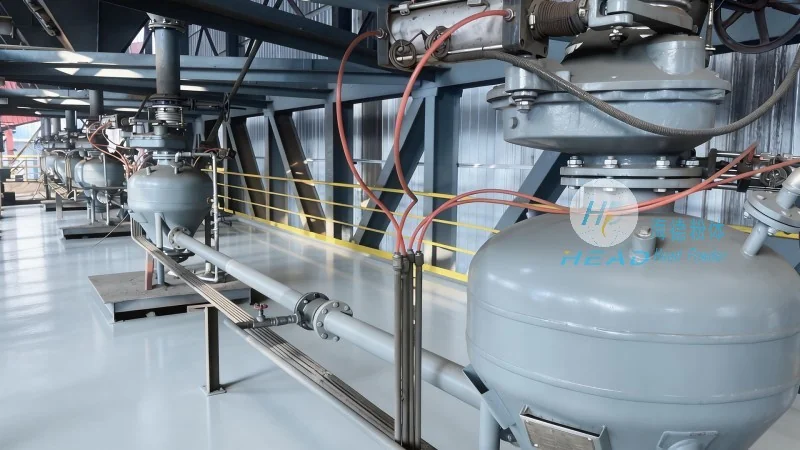
The effectiveness of a casting gray material pneumatic conveying system depends on several critical components that work in concert to achieve efficient material transport. These components typically include a material feeder, which introduces the casting gray into the system; a conveying line, which consists of pipes and fittings that guide the material; a blower or air compressor, which generates the necessary air pressure; and a receiver or discharge hopper, where the material is collected at the destination. Additionally, the system may incorporate accessories such as filters, cyclones, or rotary valves to enhance performance and ensure clean operation.
Design Principles for Optimal Performance
The design of a casting gray material pneumatic conveying system is governed by several key principles aimed at maximizing efficiency, minimizing energy consumption, and ensuring the longevity of the equipment. One of the primary considerations is the selection of the appropriate conveying velocity, which must be high enough to prevent material settling or caking in the pipes but low enough to avoid excessive wear on the system components. Engineers also focus on the system's pressure drop, as excessive pressure loss can lead to reduced conveying capacity or increased energy costs. The choice of pipe diameter and material is critical; larger diameters reduce friction losses but increase system cost, while selecting corrosion-resistant materials like stainless steel or special alloys is essential for handling abrasive casting gray materials.
Application-Specific Considerations
When designing a pneumatic conveying system for casting gray, engineers must account for the unique properties of the material. Casting gray often contains fine particles that can be prone to agglomeration or dust generation, which can impact system performance. Therefore, incorporating features such as agitators or vibrators in the feeder can help maintain material flow. Additionally, the system's layout must consider the distance and elevation changes between the source and destination points, as these factors influence the required air pressure and blower capacity. Proper sealing and filtration are also vital to prevent dust emissions and protect the environment and equipment from contamination.
Benefits of Using a Pneumatic Conveying System for Casting Gray
Implementing a pneumatic conveying system for casting gray offers numerous advantages over traditional handling methods. The most significant benefit is the ability to transport materials in a closed system, which minimizes dust exposure and improves workplace safety. This is particularly important in environments where casting gray can cause respiratory issues or other health hazards. Additionally, pneumatic systems provide a flexible and scalable solution, allowing for easy expansion or reconfiguration as production needs change. The enclosed nature of the system also reduces material loss and contamination, which is crucial for maintaining product quality and meeting regulatory standards.
Conclusion
A casting gray material pneumatic conveying system is a sophisticated and efficient solution for handling fine particulate materials in industrial settings. By adhering to fundamental design principles, such as optimizing conveying velocity, managing pressure drop, and selecting appropriate materials, engineers can create a system that delivers reliable performance and long-term durability. Companies like Shandong HeadPowder Engineering Co., Ltd., with their expertise in industrial material handling solutions, play a vital role in designing and implementing such systems to meet the specific needs of their clients. Whether for small-scale operations or large-scale production facilities, a well-designed pneumatic conveying system ensures that casting gray materials are transported safely, efficiently, and with minimal environmental impact.