

What is a Chili Material Pneumatic Conveying Line? What are its Design Principles?
A chili material pneumatic conveying line is a specialized system engineered to transport chili powder or other similar granular or powdered materials through a pipeline using air pressure. This technology is widely utilized in the food processing industry, particularly for handling spices and seasonings like chili powder, where preserving product quality and maintaining hygiene is paramount. The system operates by generating a flow of air that moves the material from the source to the destination, thereby eliminating the need for mechanical components such as belts or buckets, which could introduce contamination or damage to the product.
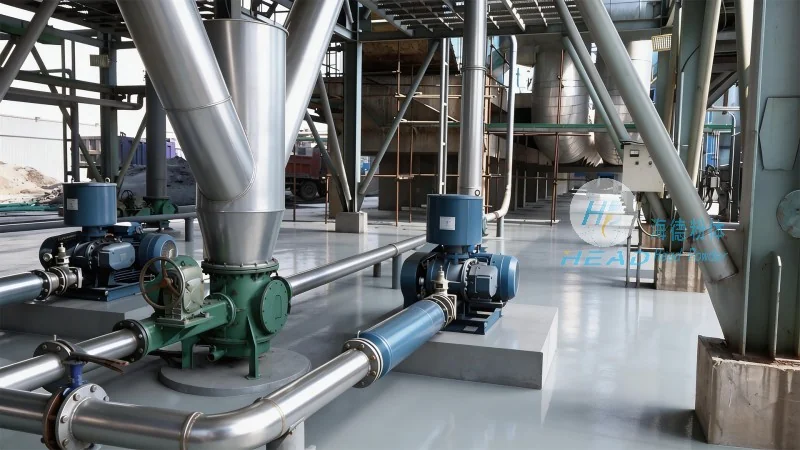
Key Components of a Chili Material Pneumatic Conveying Line
The design of a chili material pneumatic conveying line typically incorporates several critical components that collaborate to ensure efficient and reliable operation. These components include the material hopper, which stores the chili powder and feeds it into the system; the air compressor or blower, which generates the necessary air pressure to move the material; the pipeline system, which transports the material and air mixture; and the receiver or discharge hopper, where the material is collected at the end of the line. Each component is meticulously selected and designed to handle the specific characteristics of chili powder, such as its fine particle size and potential for caking or agglomeration, ensuring optimal performance and product integrity.
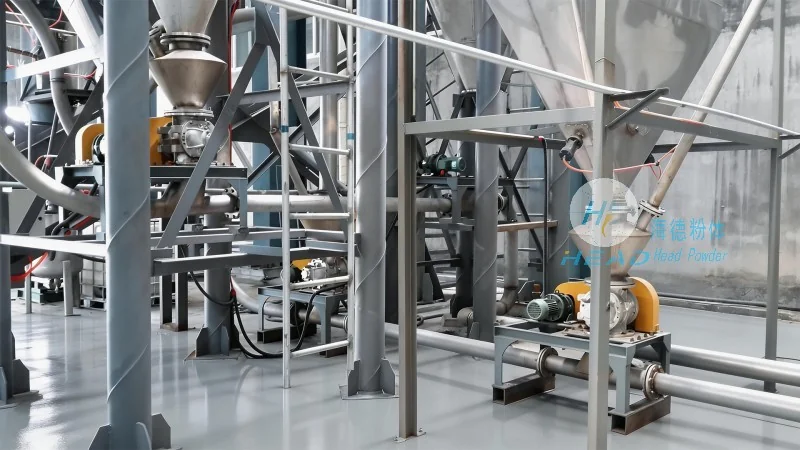
Design Principles for Efficient Material Handling
The design principles of a chili material pneumatic conveying line prioritize maximizing efficiency, minimizing product degradation, and ensuring consistent performance. A primary design consideration is the air-to-material ratio, which determines the velocity of the material within the pipeline. An optimal ratio ensures that the material is transported without excessive pressure drop or particle breakage, preserving the quality of the chili powder. Additionally, the pipeline layout is carefully planned to minimize bends and changes in direction, as sharp turns can cause particle separation or blockages. The system also incorporates features like pulse jets or rotary valves to control the flow and prevent material buildup in the pipeline. These design elements are crucial for maintaining the moisture content and flavor profile of chili powder, which is sensitive to temperature and mechanical stress.
Advantages of Using Pneumatic Conveying for Chili Processing
Implementing a pneumatic conveying line for chili processing offers several advantages over traditional mechanical conveying methods. First, it provides a hygienic and closed system that prevents contamination from external sources, which is essential for food-grade products. The enclosed pipeline also helps maintain the product's moisture content and prevents exposure to air, which can cause oxidation or flavor loss. Second, pneumatic conveying is highly flexible, allowing for easy integration with existing processing lines and the ability to transport materials over long distances without the need for multiple transfer points. Third, the system is relatively low maintenance compared to mechanical systems, as there are fewer moving parts that can wear out or require regular replacement. These benefits make pneumatic conveying an attractive option for chili processing facilities looking to enhance efficiency and product quality.
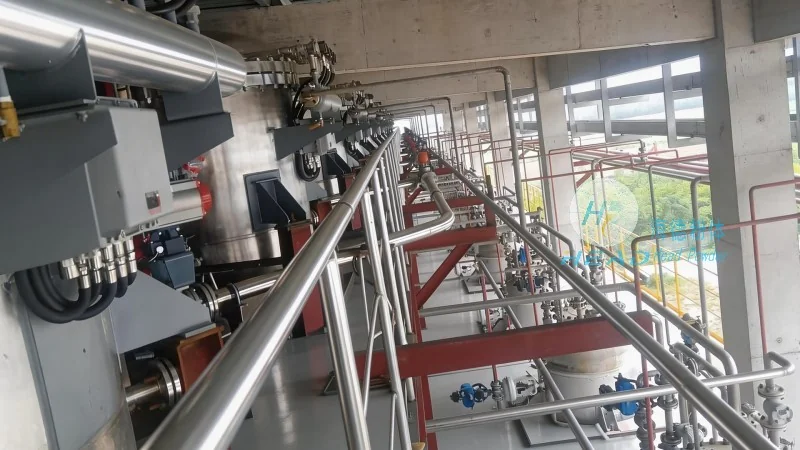
Customization and Scalability for Different Production Needs
Shandong HeadPowder Engineering Co., Ltd. specializes in designing and manufacturing customized pneumatic conveying systems tailored to the specific requirements of chili processing plants. The company, headquartered in Shandong, China, understands that each production facility has unique needs, such as varying production volumes, material characteristics, and space constraints. Their engineers work closely with clients to develop solutions that optimize material flow, reduce energy consumption, and ensure compliance with industry standards. The company's expertise in material handling and pneumatic technology enables them to design systems that can handle different types of chili powders, from fine to coarse, and accommodate different production scales, from small-scale operations to large industrial facilities. This customization and scalability ensures that clients receive a system that is both efficient and cost-effective, meeting their current and future processing needs.