

What is an Iron Chip Material Pneumatic Conveying Line? And What Are Its Design Principles?
Iron chip material pneumatic conveying lines are specialized systems designed to transport iron chips efficiently and reliably. These systems utilize the principles of pneumatic conveying, which involves moving bulk materials through a pipeline using a gas stream, typically air. The design of such lines is crucial for ensuring optimal performance, safety, and durability, especially when handling iron chips which can present unique challenges due to their physical properties and potential for abrasion.
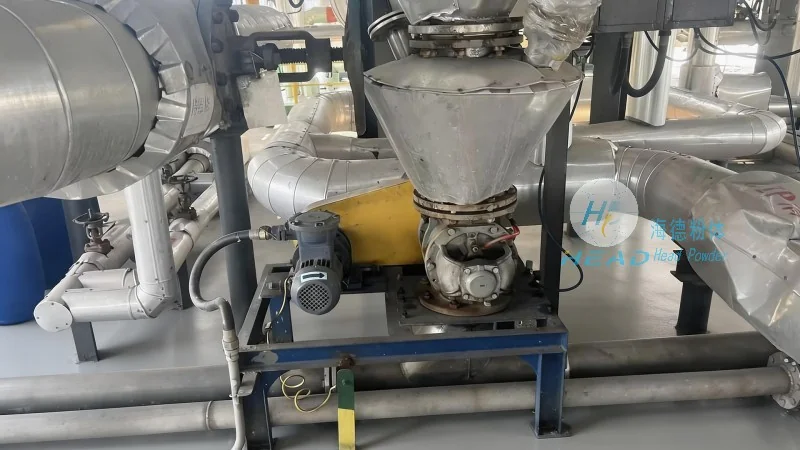
Understanding the Core Function of Iron Chip Pneumatic Conveying Lines
An iron chip material pneumatic conveying line operates by creating a flow of air or other gas within a pipeline. The iron chips are introduced into the system, often at the inlet or feed point, and are then entrained by the moving gas stream. This process allows the chips to be transported from the source to the destination without the need for mechanical components like belts or buckets, which can be prone to wear and tear when handling abrasive materials like iron chips.
Key Design Principles for Iron Chip Pneumatic Conveying Systems
The design of an iron chip pneumatic conveying line must consider several critical factors to ensure effective operation. First, the material of construction is vital. Iron chips are abrasive, so the conveying system components, such as the pipeline, valves, and cyclones, are typically made from materials like stainless steel or other corrosion-resistant alloys to withstand wear and prevent damage over time. Second, the air velocity and pressure must be carefully controlled. Proper air velocity ensures that the iron chips are fully entrained and transported without settling or clogging the pipeline. The pressure system is designed to maintain sufficient force to move the material through the entire conveying path, including any bends, vertical sections, or changes in elevation.
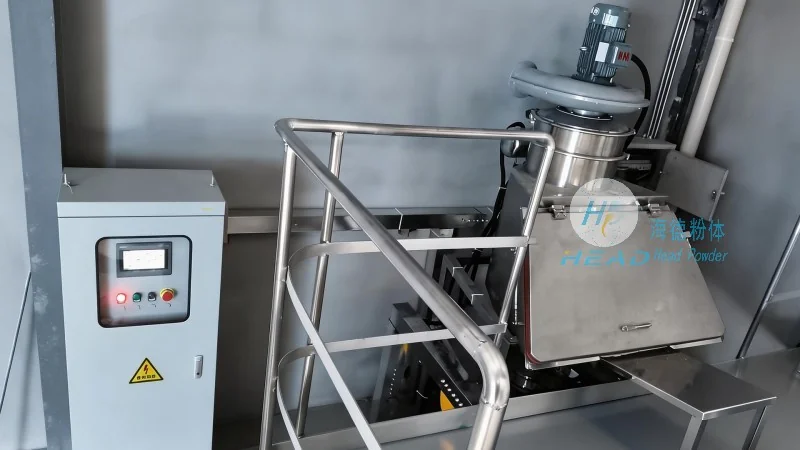
Components and Their Roles in an Iron Chip Pneumatic Conveying Line
An iron chip pneumatic conveying line consists of several key components, each playing a specific role in the overall system. The feed hopper or inlet is where the iron chips are introduced into the system. It is designed to provide a consistent flow of material to the conveying line, often with a feeder mechanism like a rotary valve or screw feeder to regulate the feed rate. The pipeline itself is the main conduit for transporting the iron chips, and its diameter and length are determined based on the material flow rate and air velocity requirements. The conveying air is supplied by a blower or compressor, which generates the necessary pressure and volume of air to move the material. The system may also include cyclones or filters to separate the iron chips from the air at the discharge end, ensuring that the material is collected efficiently and the air is cleaned before being discharged or recirculated.
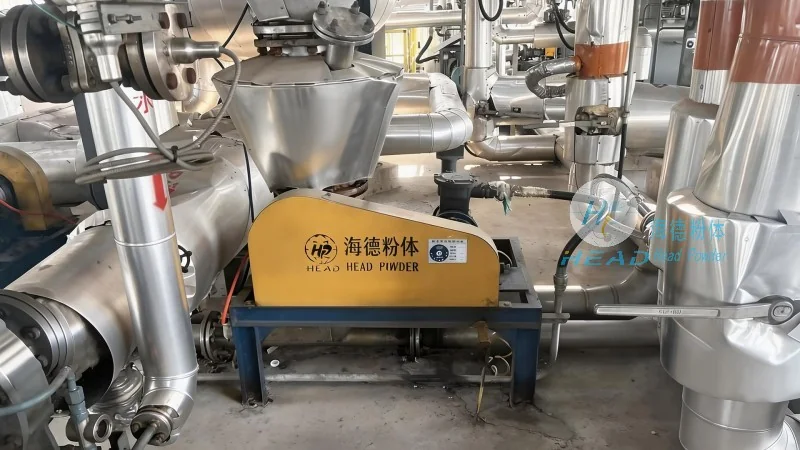
Advantages of Using Iron Chip Pneumatic Conveying Lines
Implementing an iron chip pneumatic conveying line offers several advantages over traditional mechanical conveying methods. One of the primary benefits is the elimination of mechanical wear and tear, as there are no moving parts in direct contact with the iron chips. This reduces maintenance costs and extends the operational life of the system. Additionally, pneumatic conveying allows for a more compact and flexible layout, as the pipeline can be routed around obstacles or in tight spaces without the need for complex machinery. The system also provides better control over the material flow, enabling precise regulation of the feed rate and ensuring consistent material delivery to the processing or storage areas. Furthermore, pneumatic conveying can be integrated with other processing equipment, such as crushers or grinders, to form a seamless material handling system.
Considerations for Designing an Efficient Iron Chip Pneumatic Conveying System
When designing an iron chip pneumatic conveying system, several considerations must be taken into account to ensure optimal performance. The first is the material characteristics of the iron chips, including their size, shape, density, and abrasiveness. These factors influence the air velocity and pressure requirements, as well as the choice of materials for the conveying components. The second is the system layout, which includes the distance between the feed and discharge points, the number and type of bends, and any vertical or horizontal sections. The layout must be designed to minimize pressure losses and prevent clogging or settling of the material. The third is the system control, which involves monitoring and regulating the air flow, pressure, and material feed rate to maintain stable operation. Proper control systems can help prevent overloading, underloading, or other issues that could lead to system failure or reduced efficiency.