

What is a dry stone powder material pneumatic conveying line? What are its design principles?
When it comes to efficiently transporting dry stone powder materials, pneumatic conveying lines offer a reliable and efficient solution. These systems are designed to move bulk materials like dry stone powders through a network of pipes using air pressure or suction. Understanding the components and design principles behind such a system is crucial for optimizing material handling processes in various industries.
What is a Dry Stone Powder Material Pneumatic Conveying Line?
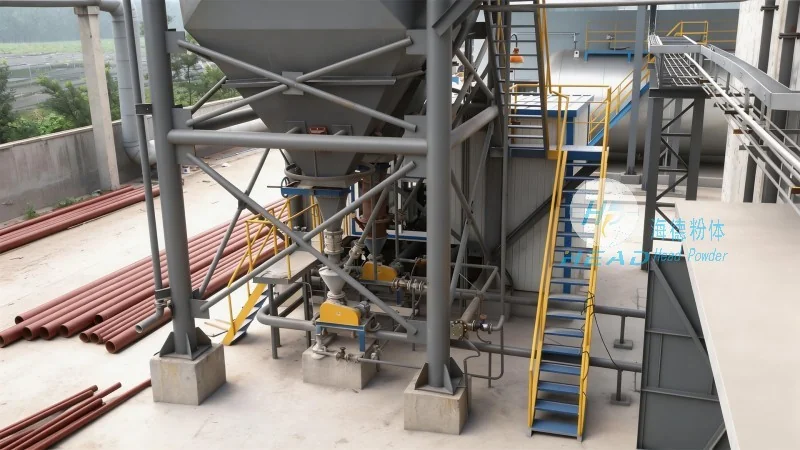
A dry stone powder material pneumatic conveying line is a specialized system used to transport dry, fine materials such as stone powders through a pipeline using air as the conveying medium. Unlike traditional mechanical conveying methods like belt conveyors or screw conveyors, pneumatic systems rely on the force of air to move materials, making them ideal for handling materials that are dusty, abrasive, or sensitive to moisture. The system typically consists of a hopper for material storage, a feeder to control the flow of material, a conveying line (usually made of stainless steel or other corrosion-resistant materials), and a receiver for the discharged material. The air is introduced into the system either by a blower or a vacuum pump, creating a pressure or suction that propels the material through the pipes.
Key Components of a Pneumatic Conveying System
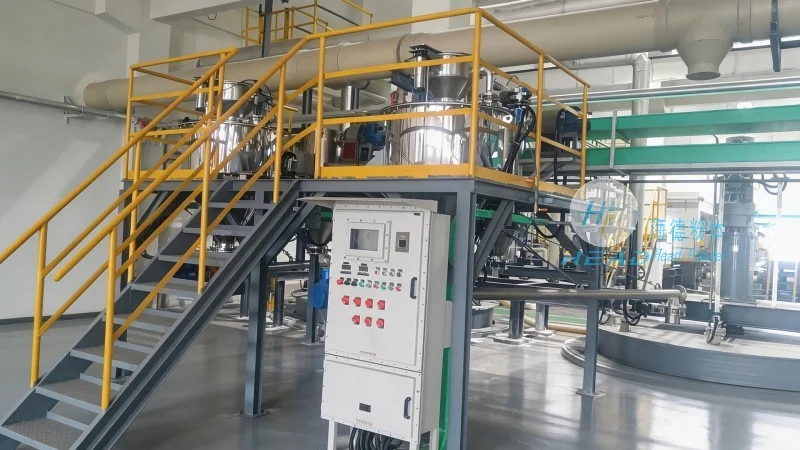
Several key components work together to ensure the smooth operation of a dry stone powder pneumatic conveying line. The first is the material hopper, which stores the dry stone powder and provides a consistent feed to the system. The hopper is often equipped with a discharge valve or feeder to regulate the flow of material into the conveying line. Next, the feeder, which can be a rotary valve, screw feeder, or other type of device, controls the rate at which material is introduced into the system. This is critical for maintaining a stable flow and preventing blockages. The conveying line itself is typically made of stainless steel or other materials that can withstand the abrasive nature of stone powders and resist corrosion. The line may include bends, elbows, and other fittings to direct the material to the desired destination. At the receiving end, a receiver or silo collects the material, and the system may include a dust collection system to control airborne particles and ensure environmental compliance.
Design Principles for Optimal Performance
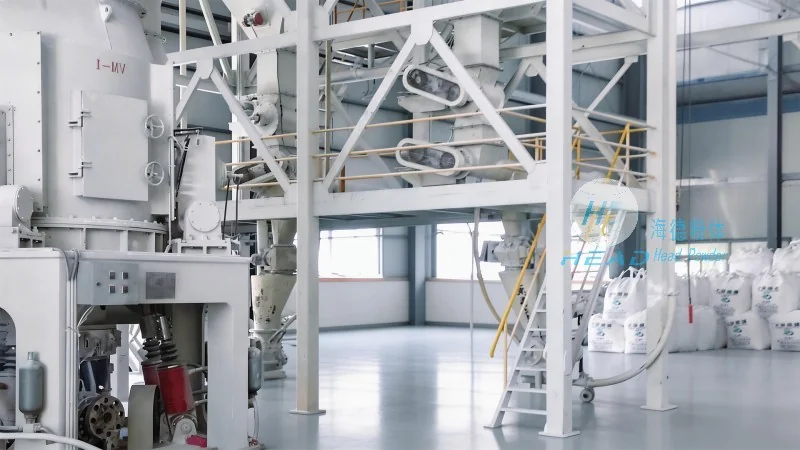
The design of a dry stone powder material pneumatic conveying line is based on several key principles to ensure efficiency, reliability, and safety. The first principle is the selection of the appropriate conveying method, which can be either pressure or vacuum. Pressure systems use a blower to push material through the line, while vacuum systems use a vacuum pump to pull material. The choice depends on factors such as the distance to be covered, the material characteristics, and the desired flow rate. The second principle is the calculation of the air velocity and pressure required to move the material. This involves determining the material's bulk density, particle size, and flow characteristics to ensure that the air velocity is sufficient to keep the material suspended and prevent settling or blockages. The third principle is the proper sizing of the conveying line and components. The diameter of the pipe is critical, as it must be large enough to accommodate the material flow without causing excessive pressure drop or energy consumption. The fourth principle is the inclusion of safety features, such as pressure relief valves, check valves, and dust collection systems, to prevent accidents and ensure compliance with environmental regulations.
Applications and Benefits
Dry stone powder material pneumatic conveying lines are widely used in various industries, including mining, construction, and manufacturing. They are particularly useful for transporting materials that are difficult to handle with traditional methods, such as fine powders that are prone to caking or dusting. The benefits of using a pneumatic conveying system include improved efficiency, reduced labor costs, and enhanced safety. The system can handle large volumes of material with minimal maintenance, and it can be easily integrated into existing production lines. Additionally, pneumatic systems can be designed to operate in a closed loop, reducing dust emissions and improving environmental performance.
About HeadPowder: Your Expert in Material Handling Solutions
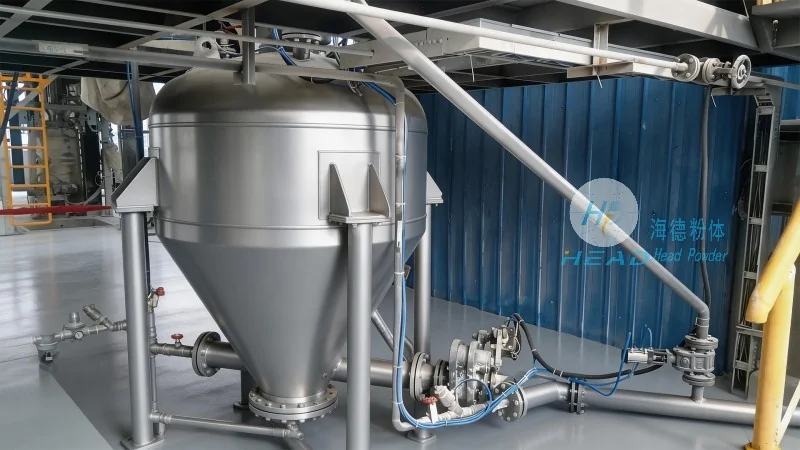
HeadPowder, or Shandong HeadPowder Engineering Co., Ltd., is a leading manufacturer and supplier of material handling equipment, including pneumatic conveying systems for dry stone powder materials. With a focus on innovation and quality, HeadPowder has developed a range of products tailored to meet the specific needs of various industries. The company is committed to providing reliable and efficient solutions that enhance productivity and safety in material handling operations. HeadPowder's facilities are located in Shandong, China, where the company leverages advanced technology and skilled personnel to design and manufacture high-quality equipment. The company's products are known for their durability, performance, and compliance with international standards, making them a trusted choice for businesses worldwide.