

Lithium-Ion Battery Anode Material Material Handling: What It Is and Its Design Principles
HeadPowder, a leading enterprise in the field of lithium-ion battery material processing, specializes in the design and implementation of material handling systems tailored for anode materials. This article delves into the concept of anode material material handling and the underlying design principles that ensure efficient and reliable operations in lithium-ion battery production.
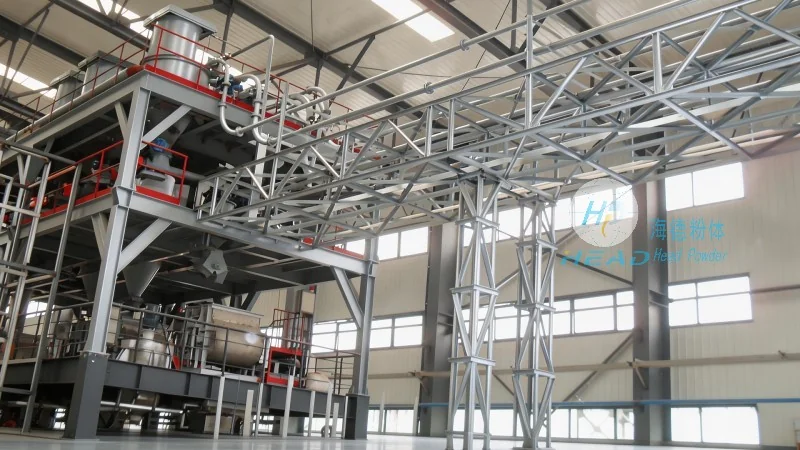
Understanding Anode Material Material Handling in Lithium-Ion Batteries
In the manufacturing of lithium-ion batteries, the anode material—typically graphite or other carbon-based compounds—is a critical component that directly impacts the battery's performance, capacity, and cycle life. Material handling for anode materials involves the processes of transporting, storing, and feeding these powders or granules from raw material storage to the battery cell formation stage. Efficient material handling is essential to maintain material quality, minimize contamination, and ensure consistent feed rates for downstream processing steps.
The Core Design Principles for Anode Material Handling Systems
Designing an effective material handling system for lithium-ion battery anode materials requires adherence to several key principles to optimize performance and reliability. First, the system must prioritize material integrity. This involves preventing agglomeration, moisture absorption, or contamination during transport, as these factors can degrade the anode material's electrochemical properties. To achieve this, systems often incorporate features such as enclosed conveying lines, air filtration, and controlled humidity environments.
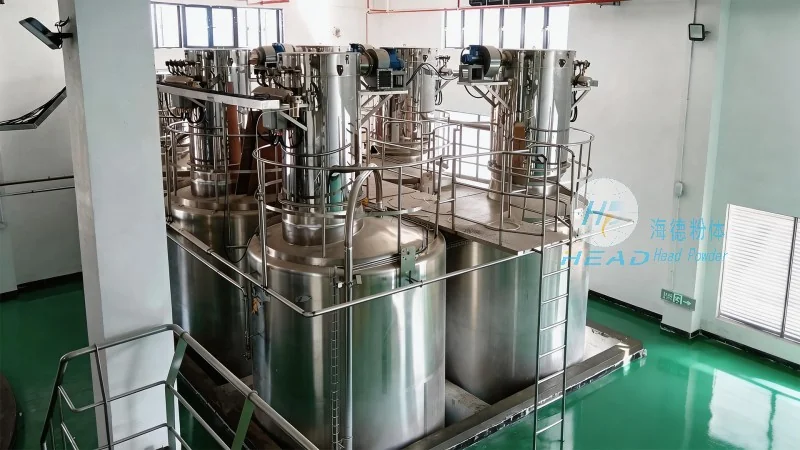
Second, the design must ensure precise and consistent material flow. This is crucial for maintaining uniform cell performance and preventing defects in the final battery product. Variable frequency drives (VFDs) and adjustable feed mechanisms are commonly used to regulate the flow rate of anode material, ensuring it matches the production line's speed. Additionally, the system should incorporate level sensors and flow meters to monitor and control material levels in hoppers and feeders, preventing overfilling or underfilling.
Third, safety and operational reliability are paramount. Material handling systems for anode materials must comply with industrial safety standards to protect personnel and equipment. This includes features like emergency stop buttons, interlocked access panels, and dust extraction systems to mitigate the risk of dust explosions or inhalation hazards. The system's design also considers ease of maintenance, with accessible components and modular designs that allow for quick repairs and replacements.
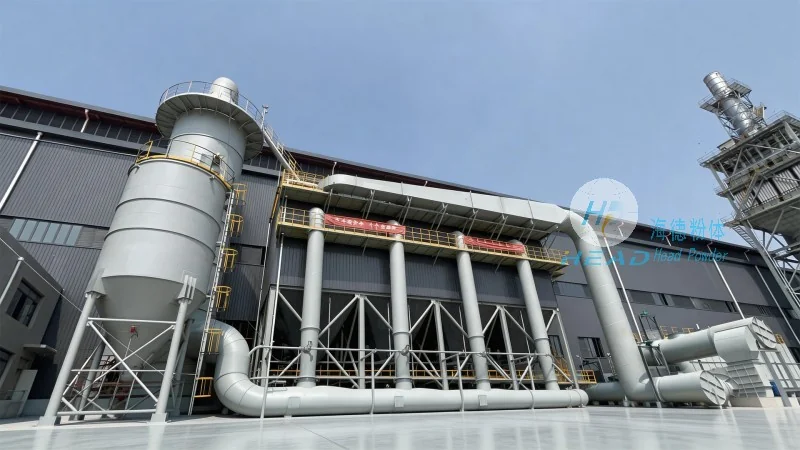
HeadPowder's Expertise in Anode Material Handling Solutions
Shandong HeadPowder Engineering Co., Ltd., commonly known as HeadPowder, leverages decades of experience in powder processing technology to deliver tailored material handling solutions for anode materials. The company's engineers work closely with clients to understand their specific production requirements, including material characteristics, production scale, and environmental constraints. By integrating advanced technologies such as pneumatic conveying, screw feeders, and vibratory feeders, HeadPowder designs systems that meet the stringent demands of lithium-ion battery manufacturing.
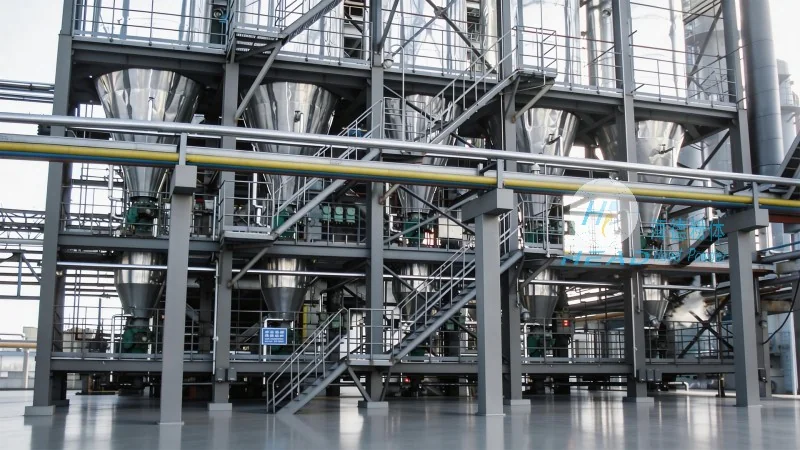
For example, HeadPowder's material handling systems for anode materials often include enclosed pneumatic conveying lines that transport powders from bulk storage to processing equipment, minimizing exposure to air and moisture. The company also offers custom-designed feeders that can handle a wide range of material properties, from fine powders to larger granules, ensuring consistent feed rates and preventing material bridging or clogging. These solutions are engineered to enhance production efficiency, reduce downtime, and improve overall product quality.
Conclusion: The Importance of Well-Designed Material Handling for Anode Materials
Effective material handling is a foundational element in the production of high-quality lithium-ion batteries, and the design principles applied to anode material systems are critical to achieving this goal. By prioritizing material integrity, precise flow control, and operational safety, manufacturers can ensure that anode materials are processed efficiently and reliably. HeadPowder, with its expertise in powder processing and material handling, provides the technical solutions needed to optimize anode material handling in lithium-ion battery production, supporting the growth of the battery industry and meeting the demands of modern energy storage applications.