

What is Rare Earth Crystal Powder Material Handling? What are the Design Principles?
When discussing material handling in industrial settings, especially for specialized materials like rare earth crystal powders, understanding the nuances of how these powders are transported and managed is crucial. This article delves into the concept of rare earth crystal powder material handling and explores the underlying design principles that ensure efficient, safe, and effective processing of these valuable materials.
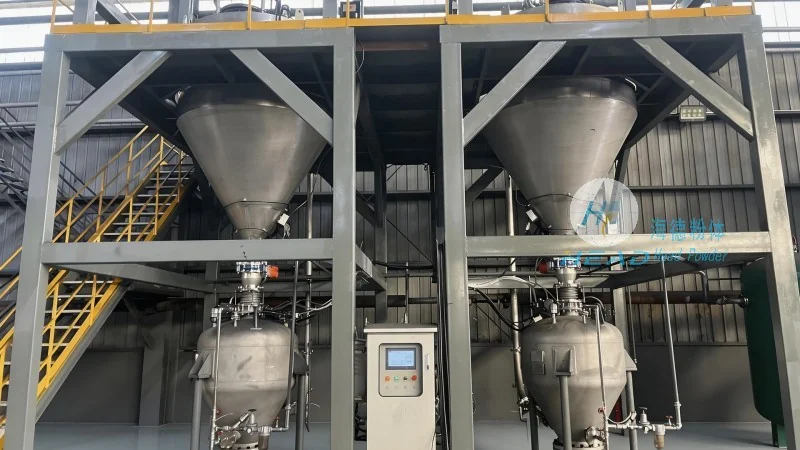
Understanding Rare Earth Crystal Powders
Before diving into the material handling aspects, it's essential to grasp what rare earth crystal powders are. These powders are derived from rare earth elements, which are a group of 17 chemical elements in the periodic table, including lanthanides and actinides. They are widely used in various high-tech applications such as electronics, magnets, and catalysts due to their unique magnetic, optical, and chemical properties. The processing of these powders requires specialized equipment and handling techniques to maintain their purity and prevent contamination or degradation.
The Importance of Material Handling in Rare Earth Processing
Material handling is a critical step in the rare earth crystal powder production and processing chain. From extraction and refinement to packaging and distribution, each stage involves moving these powders through various processes. Efficient material handling not only improves production throughput but also ensures product quality and safety. For rare earth powders, which can be sensitive to moisture, air, and temperature changes, the design of handling systems must address these challenges to preserve the material's integrity.
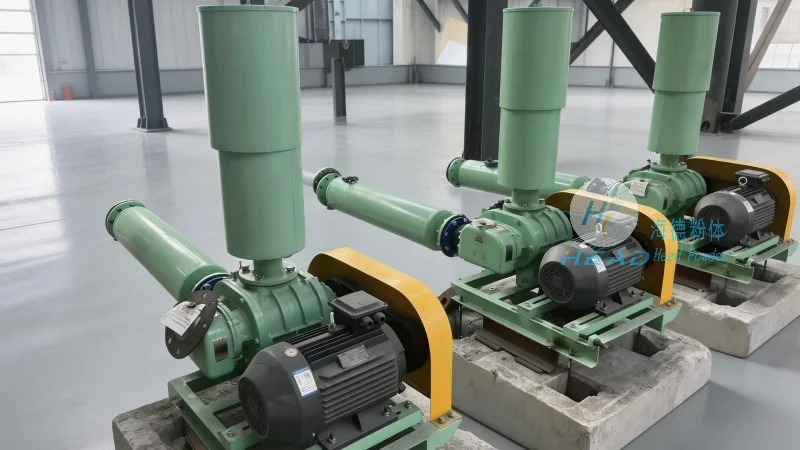
Design Principles for Rare Earth Crystal Powder Handling Systems
The design of rare earth crystal powder handling systems is guided by several key principles aimed at optimizing performance and safety. These principles include:
- Containment and Dust Control: Rare earth powders are often fine and can generate dust, which poses health risks and environmental concerns. Handling systems must incorporate effective dust collection and containment measures, such as sealed hoppers, enclosed conveyor systems, and filtration units.
- Prevention of Agglomeration and Segregation: To maintain the uniformity of the powder, handling systems must prevent agglomeration (clumping) and segregation (separation of particles by size or density). This is achieved through controlled flow, proper equipment design, and the use of anti-static materials.
- Temperature and Moisture Control: Many rare earth powders are hygroscopic or sensitive to temperature fluctuations. Handling systems should include temperature control mechanisms and moisture-proofing features to prevent degradation or chemical changes in the material.
- Material Compatibility: The equipment used for handling rare earth powders must be compatible with the materials to avoid contamination. This includes using materials like stainless steel, PTFE, or specialized coatings that are resistant to the chemical properties of the powders.
- Safety and Ergonomics: Handling systems must prioritize operator safety, with features like enclosed designs, emergency stop buttons, and ergonomic controls to minimize the risk of accidents and ensure comfortable operation.
Key Components of Rare Earth Crystal Powder Handling Systems
Effective rare earth crystal powder handling systems typically consist of several key components, each designed to perform specific functions while adhering to the aforementioned principles. These components include:
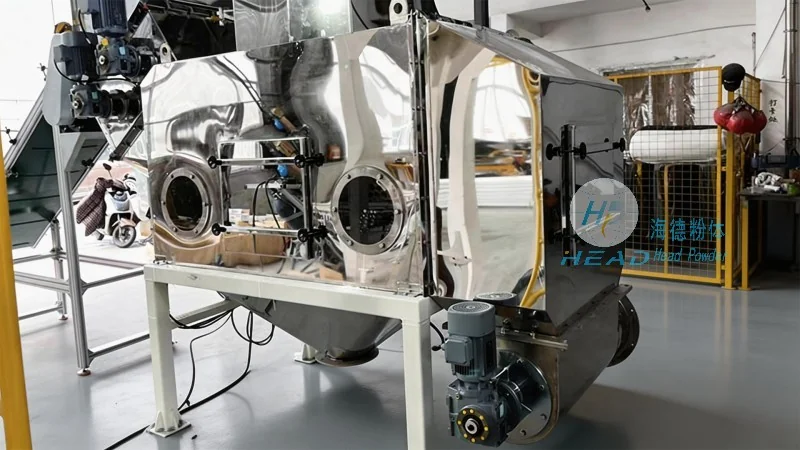
- Feeding and Dosing Equipment: This includes hoppers, feeders, and dosing mechanisms that control the flow of powder from storage to processing equipment. Proper feeding ensures consistent material supply and prevents overloading or underloading of downstream processes.
- Conveying Systems: Conveyors are used to transport the powder between different stages of the process. Common types include screw conveyors, belt conveyors, and pneumatic conveying systems. The choice of conveyor depends on the powder characteristics and the required flow rate.
- Processing Equipment: After handling, the powder may undergo further processing, such as grinding, mixing, or drying. The design of these equipment must complement the handling system to ensure smooth integration and efficient operation.
- Dust Collection and Filtration: To manage dust and maintain a clean environment, dust collection systems are integrated into the handling process. These systems capture airborne particles and filter them before releasing air back into the environment or to a storage system.
- Piping and Valves: For pneumatic conveying systems, specialized piping and valves are used to control the flow of powder and air. These components must be designed to handle the abrasive and potentially corrosive nature of rare earth powders.
Application Examples in Rare Earth Processing
Understanding the design principles and components of rare earth crystal powder handling systems allows for their application in various industrial processes. For instance, in the production of rare earth magnets, the handling of neodymium and praseodymium powders requires precise control to ensure uniform composition and prevent contamination. Similarly, in catalyst production, the handling of cerium or lanthanum powders must maintain their purity to achieve desired catalytic properties.
Conclusion
Rare earth crystal powder material handling is a complex but essential aspect of industrial processing, requiring careful consideration of design principles to ensure efficiency, safety, and product quality. By incorporating proper containment, dust control, and material compatibility measures, handling systems can effectively manage these valuable materials while minimizing risks. Companies like Shandong HeadPowder Engineering Co., Ltd., with their expertise in engineering and material handling solutions, play a vital role in developing and implementing such systems to meet the demands of modern industrial applications.