

What is a Manganese Silicate Material Pneumatic Conveying Line? And What Are Its Design Principles?
When it comes to handling and transporting manganese silicate materials, the pneumatic conveying line emerges as a highly efficient and reliable solution. This technology is widely used in various industrial applications, offering a seamless way to move bulk materials from one location to another. In this article, we will explore what a manganese silicate material pneumatic conveying line is and delve into its fundamental design principles, providing a comprehensive understanding of this essential equipment.
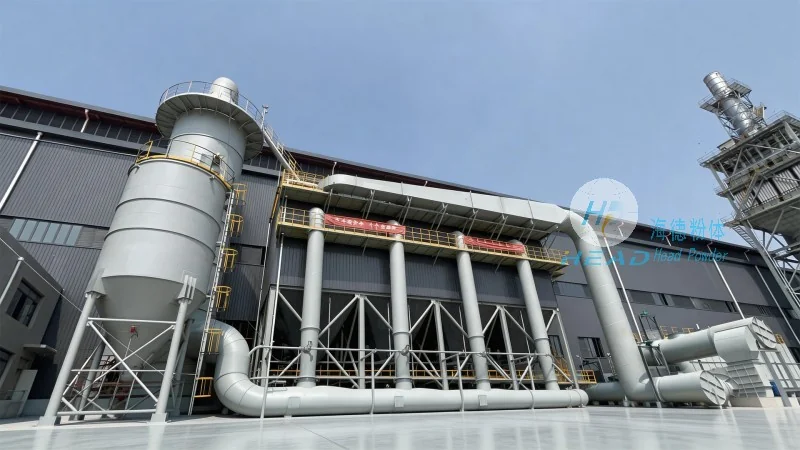
Understanding the Manganese Silicate Material Pneumatic Conveying Line
A manganese silicate material pneumatic conveying line is a system designed to transport bulk materials, such as manganese silicate powders or granules, using compressed air or other gas as the conveying medium. Unlike traditional mechanical conveying methods, which rely on belts, buckets, or screws, pneumatic conveying utilizes the force of air to move materials through a pipeline. This approach is particularly advantageous for handling materials that are dusty, abrasive, or sensitive to moisture, as it minimizes contact with external elements and reduces the risk of contamination.
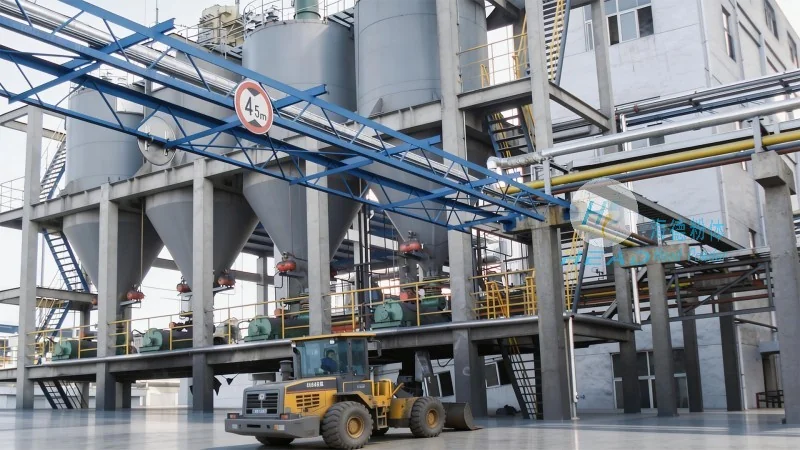
Key Components of the Pneumatic Conveying System
The effectiveness of a manganese silicate material pneumatic conveying line depends on several critical components that work in harmony to ensure smooth operation. These components include the material hopper, which stores and feeds the manganese silicate material; the air compressor or blower, which generates the necessary pressure to move the material; the conveying pipeline, which transports the material and air mixture; the control valves, which regulate the flow and pressure; and the receiver or discharge hopper, where the material is collected at the destination.
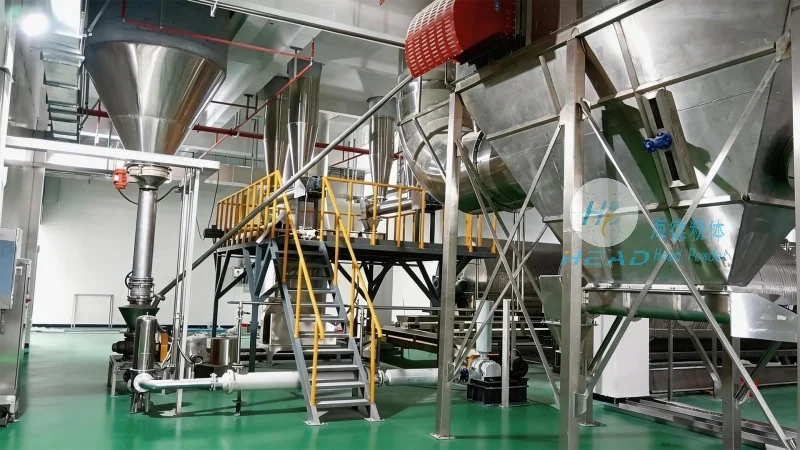
Design Principles for Optimal Performance
The design of a manganese silicate material pneumatic conveying line is based on several key principles to ensure efficiency, reliability, and safety. First, the system must be sized appropriately to handle the required material flow rate and pressure drop. This involves calculating the air velocity and pipeline diameter to prevent material settling or blockages. Second, the material properties, such as particle size, density, and moisture content, are carefully considered to select the right type of conveying system—whether it's a dilute phase, dense phase, or pressure/venturi system. Third, the system is designed to minimize energy consumption by optimizing the air-to-material ratio and reducing pressure losses in the pipeline. Additionally, safety features, such as explosion-proof components and dust collection systems, are integrated to protect personnel and the environment.
Applications and Benefits in Industrial Settings
Manganese silicate material pneumatic conveying lines are widely used in industries that handle bulk materials, including mining, chemical processing, and manufacturing. The primary benefits of this technology include improved safety by eliminating the need for manual handling of dusty materials, increased efficiency by reducing downtime and labor costs, and enhanced product quality by minimizing contamination and degradation. Moreover, the system can be easily integrated into existing production lines, allowing for flexible and scalable operations.
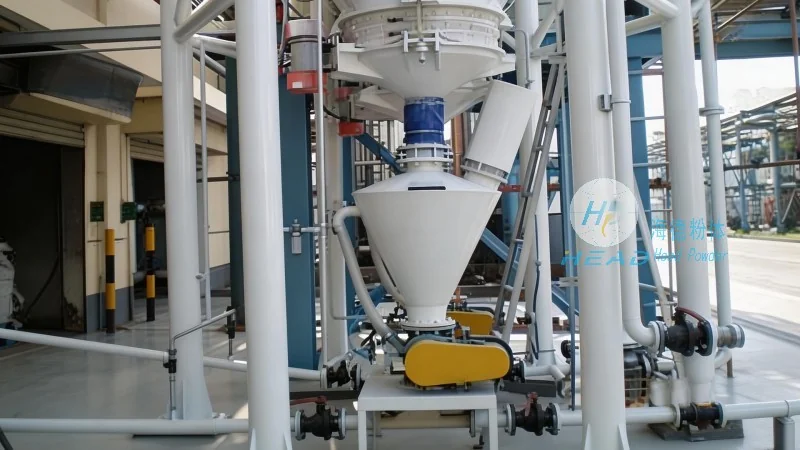
Customization and Engineering by Shandong HeadPowder Engineering Co., Ltd.
Shandong HeadPowder Engineering Co., Ltd., a leading provider of material handling solutions, specializes in designing and manufacturing customized manganese silicate material pneumatic conveying lines tailored to specific industrial needs. With years of experience in the field, the company leverages advanced engineering principles and cutting-edge technology to deliver high-performance systems that meet the unique requirements of each client. The company's team of experts works closely with clients to understand their operational challenges and provide tailored solutions that optimize material flow, reduce costs, and enhance overall productivity.