

What is a Coal Gangue Material Pneumatic Conveying System? What Are Its Design Principles?
Coal gangue, also known as coal waste or mine rock, is a byproduct of coal mining and processing. It consists of rock fragments and other materials that are not suitable for energy extraction. The efficient handling and transportation of coal gangue are crucial for mining operations, as they help in reducing environmental impact and optimizing resource utilization. A coal gangue material pneumatic conveying system is a specialized equipment designed to transport these materials through a pipeline using air pressure or suction. This system offers a reliable and efficient solution for moving coal gangue from its source to processing or disposal sites.
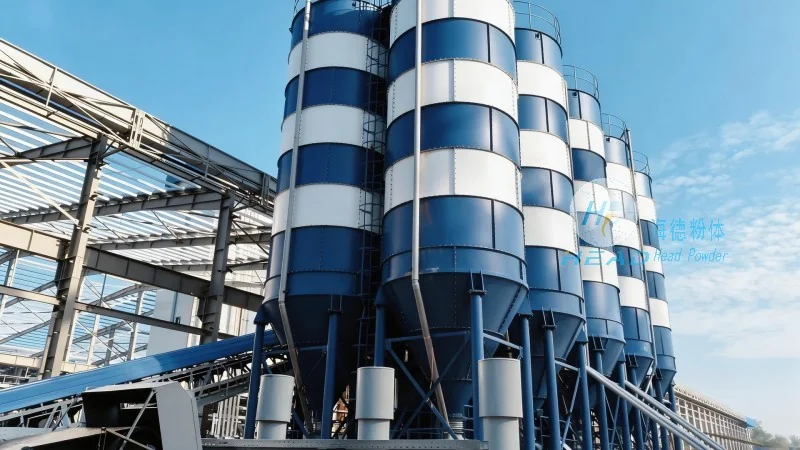
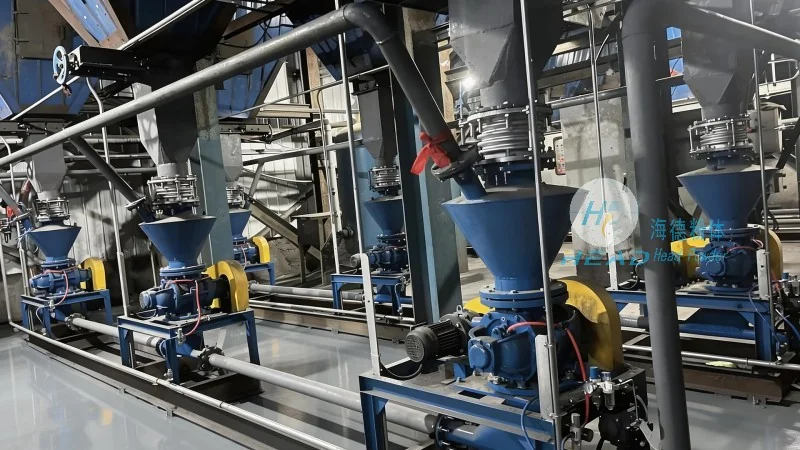
Key Components and Design Principles of the Pneumatic Conveying System
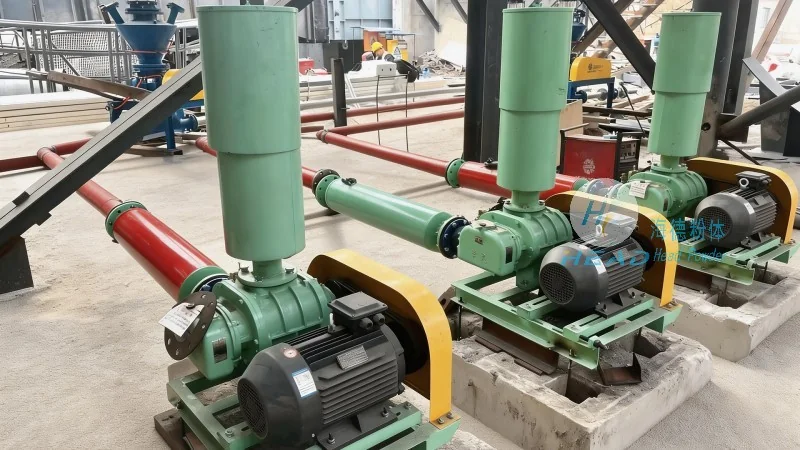
The design of a coal gangue material pneumatic conveying system involves several critical components that work together to ensure smooth operation. The main components include the material feed hopper, the conveying pipeline, the air supply system (blowers or fans), and the control system. The feed hopper is responsible for storing and feeding the coal gangue into the system. It is typically equipped with a feeder, such as a rotary valve or a screw conveyor, to regulate the flow of material. The conveying pipeline is made of durable materials like stainless steel or high-density polyethylene (HDPE) to withstand the abrasive nature of coal gangue. The air supply system generates the necessary pressure or vacuum to move the material through the pipeline. The control system monitors and adjusts the air flow and material feed rate to maintain optimal performance.
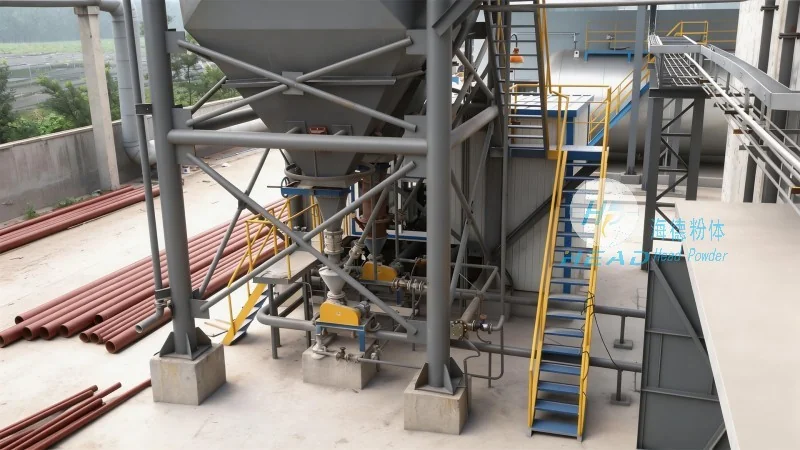
How the Pneumatic Conveying Process Works
The operation of a coal gangue material pneumatic conveying system follows a systematic process. Initially, the coal gangue is fed into the hopper from the mining site or storage area. The feeder then releases the material into the pipeline at a controlled rate. Simultaneously, the air supply system generates a flow of air that travels through the pipeline. The air velocity is adjusted to create a sufficient pressure differential to lift and transport the coal gangue particles. As the material moves through the pipeline, it is carried by the air stream, which can be either positive pressure (blowing air) or negative pressure (suction). The system may include bends, expansions, and other fittings to accommodate changes in direction and elevation. At the receiving end, the material is separated from the air using a separator, such as a cyclone or a bag filter, and collected in a storage bin or processing unit.
Advantages of Using a Pneumatic Conveying System for Coal Gangue
Implementing a coal gangue material pneumatic conveying system offers several advantages over traditional methods like belt conveyors or truck transport. Firstly, it provides a dust-free and enclosed transport process, which reduces environmental pollution and improves workplace safety. Secondly, the system is highly flexible and can be easily integrated into existing mining infrastructure. It can handle materials with varying particle sizes and moisture content, making it suitable for different types of coal gangue. Thirdly, the pneumatic conveying system is energy-efficient and can cover long distances with minimal maintenance. Additionally, it eliminates the need for multiple transfer points and reduces the risk of material spillage or contamination.