

What is a Petroleum Coke Material Pneumatic Conveying System? What are its Design Principles?
For industrial operations dealing with petroleum coke, efficient material handling is crucial. A pneumatic conveying system offers a reliable solution for transporting petroleum coke from storage to processing units. This article explores the concept of a petroleum coke material pneumatic conveying system and delves into its core design principles, providing insights into how such systems enhance operational efficiency and safety.
Understanding Petroleum Coke and Its Handling Needs
Petroleum coke is a byproduct of the coking process in petroleum refining. It is a solid, carbon-rich material that requires specialized handling due to its abrasive nature and potential dust generation. Traditional methods like belt conveyors or bucket elevators may face challenges with material flow, especially when dealing with fine or irregularly shaped coke particles. Pneumatic conveying systems address these challenges by using air to transport the material, reducing wear on equipment and minimizing dust exposure.
Key Components of a Petroleum Coke Pneumatic Conveying System
A typical petroleum coke pneumatic conveying system consists of several key components that work in tandem to ensure smooth material transport. These include:
- Feeder: The feeder is responsible for feeding the petroleum coke into the system at a controlled rate. It ensures a consistent flow of material into the conveying line, preventing blockages and maintaining system efficiency.
- Conveying Line: The main pipeline through which the petroleum coke is transported. The line is typically made of durable materials like stainless steel or special alloys to withstand the abrasive nature of the coke and resist corrosion.
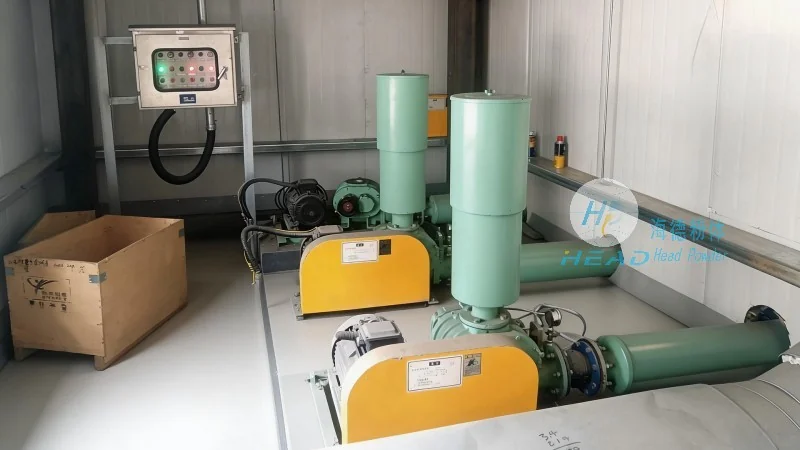
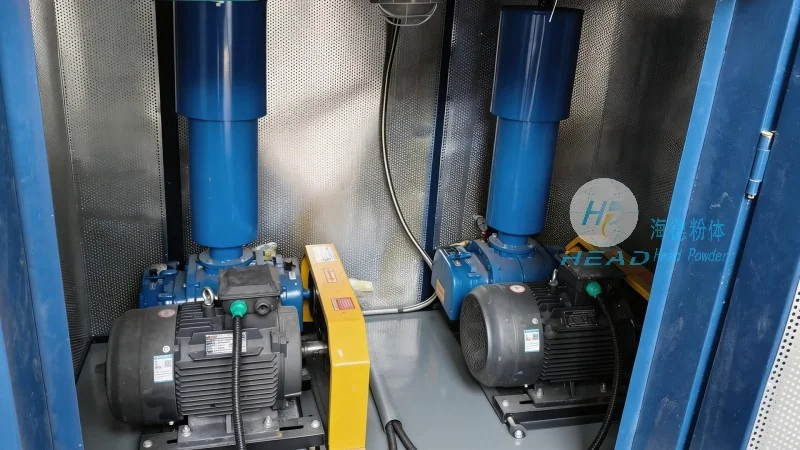
- Air Supply System: This component generates the necessary air pressure or vacuum to move the material through the line. It includes blowers, compressors, or vacuum pumps, depending on the system design (pressure or vacuum type).
- Separation and Collection Equipment: At the receiving end, this equipment separates the coke from the air stream. It may include cyclones, filters, or dust collectors to ensure the material is deposited cleanly and safely.
- Control System: The control system monitors and regulates the operation of the conveying system, ensuring optimal performance and safety. It may include sensors for flow rate, pressure, and temperature, as well as automated controls for start-stop functions.
Design Principles for Petroleum Coke Pneumatic Conveying
The design of a petroleum coke pneumatic conveying system is tailored to the specific characteristics of the material and the operational requirements. Key design principles include:
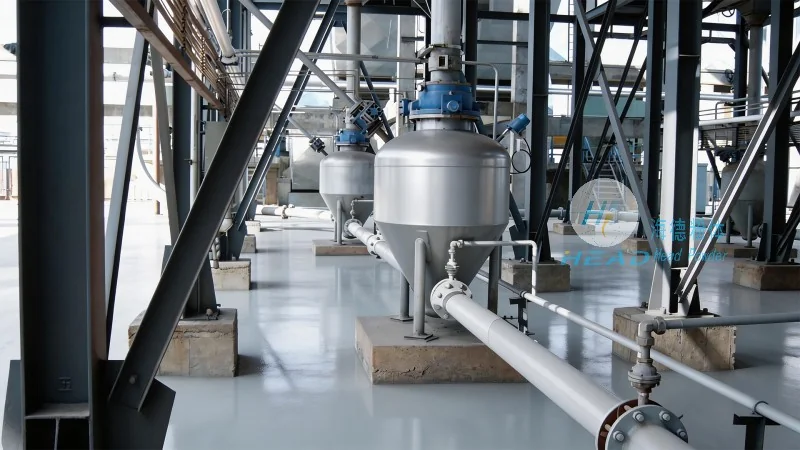
- Material Compatibility: The system components must be compatible with petroleum coke's abrasive and potentially corrosive properties. Materials like stainless steel, special alloys, or wear-resistant coatings are used to minimize equipment wear and extend service life.
- Flow Rate and Pressure Considerations: The system is designed to handle the required flow rate of petroleum coke while maintaining optimal air pressure or vacuum levels. This ensures efficient transport without excessive energy consumption or material degradation.
- Prevention of Blockages: Design features such as inclined pipelines, appropriate feeder designs, and air flow controls are incorporated to prevent blockages caused by material buildup or agglomeration.
- Dust Control and Safety: Effective dust control measures are integrated into the system to minimize environmental impact and ensure workplace safety. This includes filtration systems, dust collection units, and proper ventilation.
- Scalability and Flexibility: The system is designed to be scalable, allowing for adjustments in capacity or layout as operational needs change. This flexibility ensures long-term operational efficiency and adaptability.
Benefits of Using a Petroleum Coke Pneumatic Conveying System
Implementing a pneumatic conveying system for petroleum coke offers several significant benefits for industrial operations: