

What is a Denitrator Material Pneumatic Conveying Line? And What Are Its Design Principles?
Denitrator material pneumatic conveying lines are specialized industrial systems designed to transport denitrator materials, such as ammonia-based or urea-based reagents, from storage to processing units in power plants or industrial facilities. These systems are critical for efficient and safe handling of denitrator chemicals, which are essential for reducing nitrogen oxide emissions in flue gas treatment processes. The design of such lines involves careful consideration of material properties, flow dynamics, and operational requirements to ensure reliable performance and compliance with environmental regulations.
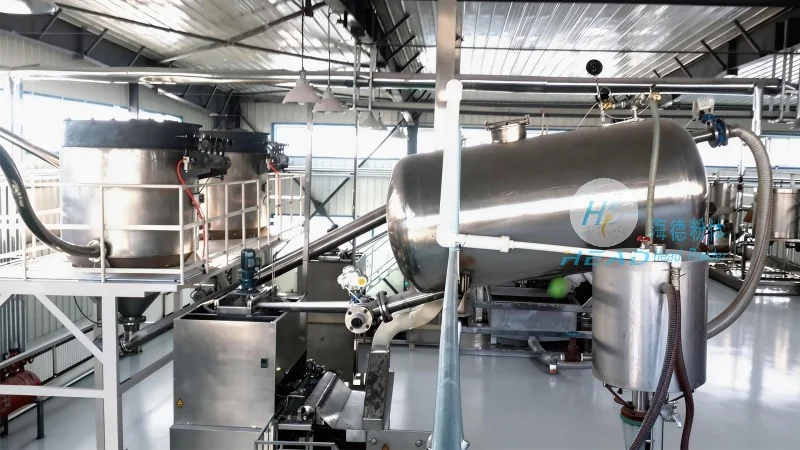
Understanding the Core Components of a Denitrator Material Pneumatic Conveying System
A typical denitrator material pneumatic conveying line consists of several key components that work in tandem to achieve efficient material transport. The primary components include a material hopper or silo for storage, a feeder system (often a rotary valve or screw feeder) to control the flow rate, a conveying pipeline (usually made of stainless steel or other corrosion-resistant materials to handle the chemical properties of denitrator agents), a pneumatic conveying device (such as a positive displacement blower or a venturi system) to generate the necessary air pressure, and a receiver or destination vessel where the material is deposited. Each component plays a crucial role in maintaining the integrity of the denitrator material and ensuring smooth operation of the overall system.
The Working Principle of Pneumatic Conveying for Denitrator Materials
The operation of a denitrator material pneumatic conveying line is based on the principle of transporting solid particles suspended in a high-velocity air stream. In positive pressure systems, a blower or compressor generates compressed air that is introduced into the conveying pipeline, carrying the denitrator material particles forward. The air velocity is maintained above the material's terminal velocity to keep the particles in suspension, preventing blockages and ensuring consistent flow. In contrast, negative pressure (or vacuum) systems use a suction device to draw material from the source and transport it to the destination. Both systems rely on precise control of air flow rate and pressure to optimize material transport efficiency and minimize energy consumption.
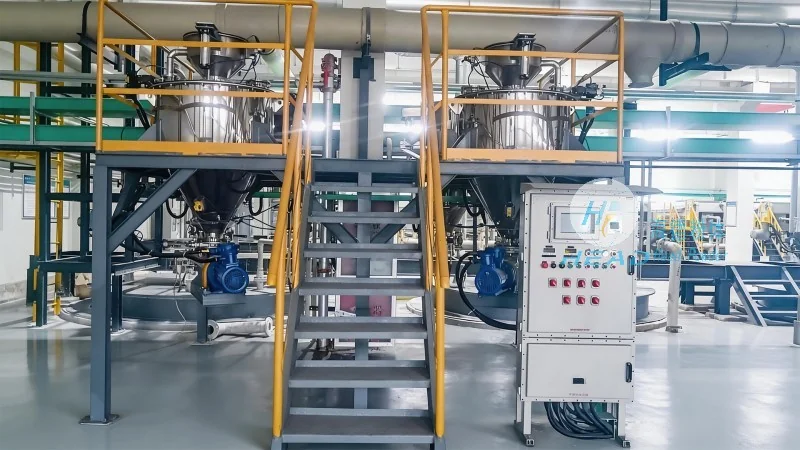
Design Principles for Optimal Performance and Reliability
Designing a denitrator material pneumatic conveying line requires a comprehensive approach that balances operational efficiency, material compatibility, and safety considerations. Key design principles include selecting appropriate materials for the conveying pipeline and components to resist corrosion from the denitrator chemicals, ensuring proper sealing to prevent material leakage or air loss, and implementing robust control systems to monitor and adjust flow rates in real-time. The system must also account for the physical properties of the denitrator material, such as particle size distribution, density, and moisture content, as these factors directly impact the conveying velocity and system pressure requirements. Additionally, the design should incorporate safety features like explosion-proof components and emergency shut-off valves to mitigate risks associated with handling potentially hazardous materials.
Applications and Benefits of Denitrator Material Pneumatic Conveying Lines
Denitrator material pneumatic conveying lines are widely used in power generation facilities, chemical plants, and industrial processes where denitrator agents are required for flue gas treatment. The primary benefits of these systems include improved material handling efficiency, reduced labor costs, and enhanced safety compared to traditional bulk material handling methods. By eliminating the need for manual handling or mechanical conveyors, pneumatic systems minimize the risk of material contamination and exposure to hazardous chemicals. Furthermore, the compact design of pneumatic conveying lines allows for flexible installation in confined spaces, making them suitable for retrofitting existing facilities or integrating into new plant designs. The ability to transport denitrator materials over long distances with minimal loss and degradation also contributes to overall process efficiency and cost savings.
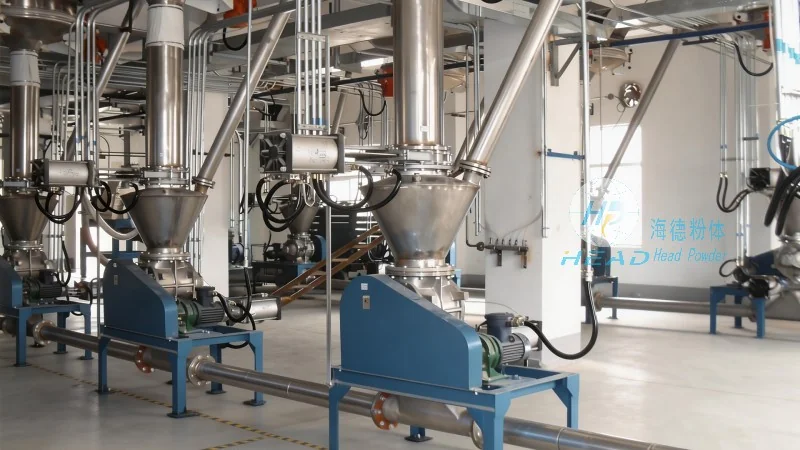
Key Considerations for Selecting and Implementing a Denitrator Material Pneumatic Conveying System
When selecting a denitrator material pneumatic conveying system, several factors must be evaluated to ensure the optimal solution for a specific application. The first consideration is the material characteristics, including particle size, density, and moisture content, as these determine the required air velocity and system pressure. The second factor is the distance and elevation change between the source and destination, as these affect the energy requirements and system design. Additionally, the system must be compatible with the existing infrastructure, such as the plant layout and available space, to minimize installation costs and disruptions. Finally, the reliability and maintenance requirements of the system should be considered, as downtime can significantly impact operational efficiency and compliance with environmental regulations. By carefully evaluating these factors, facility managers can select a denitrator material pneumatic conveying system that meets their operational needs while ensuring long-term performance and cost-effectiveness.
Conclusion: The Role of Advanced Engineering in Denitrator Material Handling
Denitrator material pneumatic conveying lines represent a critical advancement in industrial material handling technology, enabling efficient and safe transport of denitrator chemicals essential for environmental compliance. The design principles and components discussed above highlight the importance of specialized engineering in optimizing system performance and reliability. As power plants and industrial facilities continue to prioritize emission reduction and operational efficiency, the demand for advanced pneumatic conveying systems will likely increase. Companies like Shandong HeadPowder Engineering Co., Ltd., with their expertise in industrial material handling solutions, play a vital role in providing customized systems that meet the unique requirements of each application. By leveraging their experience and technical capabilities, these companies help facilities achieve their environmental and operational goals while ensuring the safe and efficient handling of denitrator materials.