

What is Pepper Material Handling? Understanding Design Principles
Pepper material handling refers to the processes and technologies used to transport, move, and manage pepper products from one location to another within industrial or agricultural settings. This includes everything from raw pepper collection to packaging and storage, ensuring efficient and safe handling of the product throughout the supply chain. The design of such systems is critical as it directly impacts operational efficiency, product quality, and overall cost-effectiveness for businesses involved in pepper processing and distribution.
Key Components of Pepper Material Handling Systems
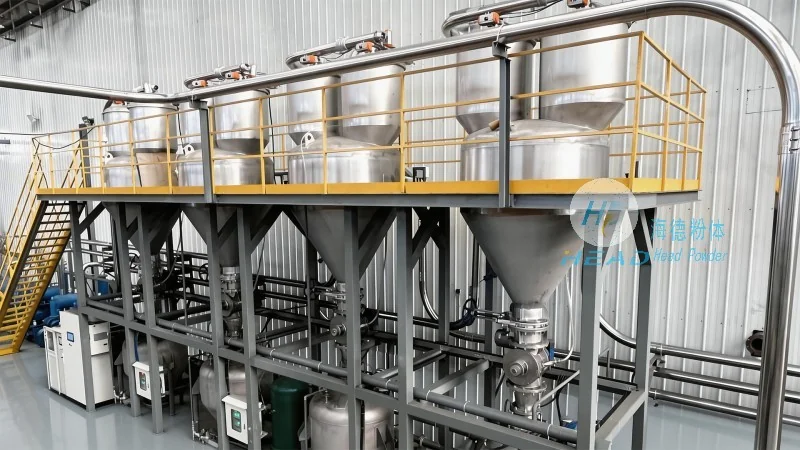
Effective pepper material handling systems typically consist of several key components that work in tandem to achieve seamless operation. These components may include conveyors (such as belt conveyors, screw conveyors, or chain conveyors), sorting equipment, cleaning and drying units, and storage containers. Each component is selected based on the specific characteristics of the pepper being handled, such as size, moisture content, and the desired processing outcome. For instance, belt conveyors are commonly used for transporting whole peppers due to their ability to handle irregular shapes without causing damage, while screw conveyors are ideal for moving ground or powdered pepper products through processing lines.
Design Principles for Efficient Pepper Handling
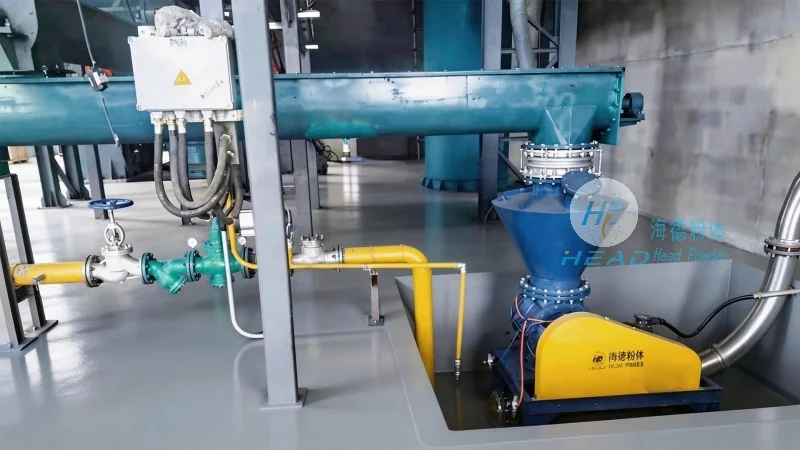
The design of pepper material handling systems follows several fundamental principles aimed at optimizing performance and ensuring product integrity. One of the primary principles is adaptability to the physical properties of the pepper. Since peppers can vary in size, shape, and texture, the system must be flexible enough to accommodate these variations without compromising efficiency. This often involves adjustable conveyor speeds, variable incline angles, and robust materials that can withstand the mechanical stress of handling different pepper types. Another critical principle is the integration of cleaning and sanitation features. Given that peppers are often used in food applications, maintaining hygiene is paramount. Design elements like easy-to-clean surfaces, removable parts, and integrated washing systems are incorporated to prevent contamination and meet regulatory standards.
Material Selection and Durability in Pepper Handling Equipment
Choosing the right materials for pepper handling equipment is essential for long-term performance and reliability. The equipment must be durable enough to withstand the abrasive nature of pepper skins and seeds, as well as the potential for moisture and humidity in processing environments. Common materials used include stainless steel for conveyor belts and frames, which offers excellent corrosion resistance and hygiene benefits. Additionally, components like rollers and chains are often made from high-strength plastics or coated metals to reduce friction and prevent product damage. The design also considers the need for minimal maintenance, with features like self-lubricating bearings and easy access for repairs to minimize downtime and operational costs.
Energy Efficiency and Operational Costs in Pepper Material Handling
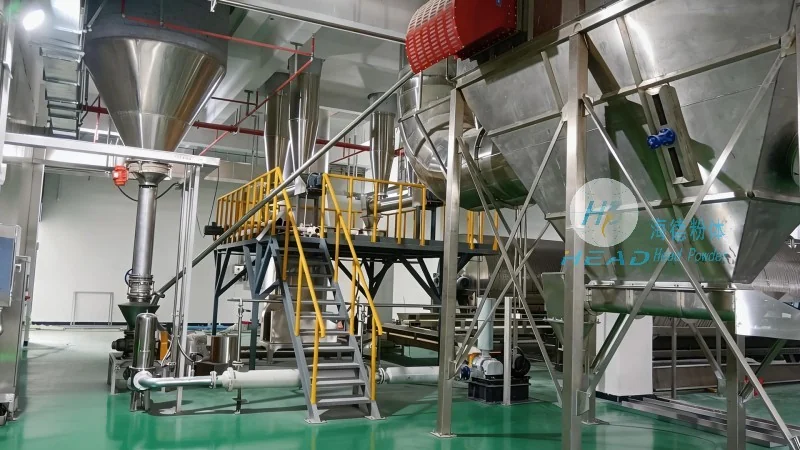
Modern pepper material handling systems emphasize energy efficiency to reduce operational costs and environmental impact. Designers incorporate features such as variable frequency drives (VFDs) to adjust motor speeds based on the load, thereby conserving energy during light or idle periods. Additionally, the layout of the system is optimized to minimize the distance materials need to travel, reducing the overall energy consumption of the conveyor network. By integrating these energy-saving measures, businesses can achieve significant cost savings over the lifespan of the equipment while maintaining high throughput rates. Furthermore, the use of lightweight yet strong materials in construction helps reduce the energy required to move the equipment itself, contributing to a more sustainable and cost-effective operation.