

What is Synthetic Fiber Material Handling? And What Are Its Design Principles?
Understanding synthetic fiber material handling is crucial for industries that rely on these materials for production. This process involves the movement, storage, and control of synthetic fibers from raw material to finished product. The design principles behind these systems are tailored to ensure efficiency, safety, and cost-effectiveness in handling these lightweight yet often abrasive materials.
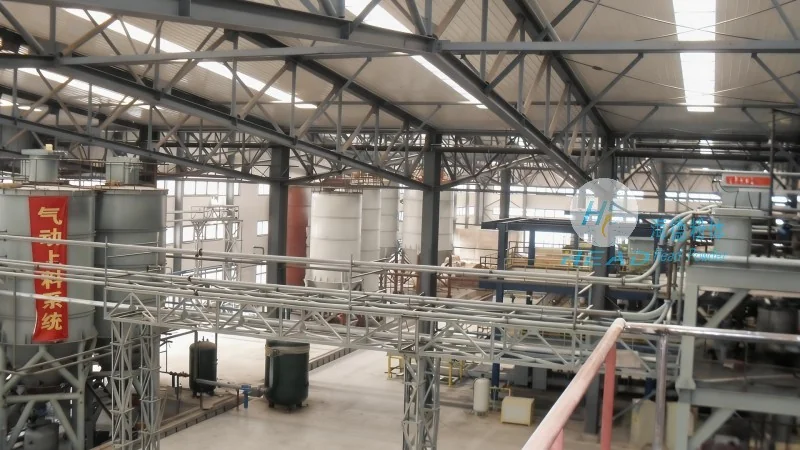
Key Aspects of Synthetic Fiber Material Handling
Synthetic fibers, such as polyester, nylon, and acrylic, are widely used in textiles, automotive, and construction industries due to their durability and versatility. Material handling for these fibers requires specialized equipment and systems to manage their unique properties. The primary goal is to maintain the integrity of the fibers while optimizing the workflow. This includes considerations like dust control, static electricity management, and the prevention of fiber entanglement or breakage.
Design Principles for Efficient Material Handling
The design of synthetic fiber material handling systems follows several core principles. First, the system must be designed to minimize fiber loss and contamination. This involves using enclosed conveying systems and proper filtration to keep the environment clean. Second, the equipment must be capable of handling the varying densities and flow characteristics of different synthetic fibers. This often requires adjustable speed controls and specialized hoppers or feeders. Third, safety is paramount, especially when dealing with large volumes of fibers that can create dust hazards. Designers incorporate features like explosion-proof components and effective dust extraction to mitigate risks.
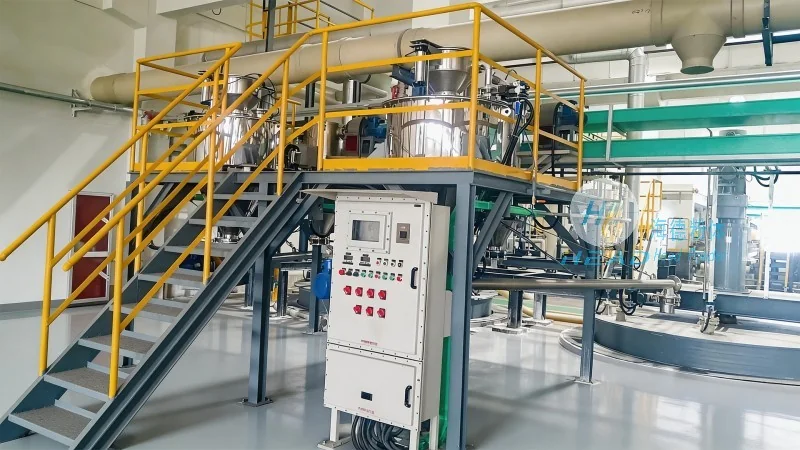
Equipment Used in Synthetic Fiber Material Handling
Several types of equipment are commonly used in synthetic fiber material handling. Conveyors, both belt and screw, are essential for transporting fibers over short to medium distances. Air handling systems, including pneumatic conveying, are ideal for moving fine fibers through pipelines. For bulk storage, silos and hoppers are used to maintain consistent material flow. Additionally, screening and sorting equipment may be employed to separate different fiber types or remove impurities. Each piece of equipment is selected based on the specific characteristics of the synthetic fibers being handled, ensuring optimal performance.
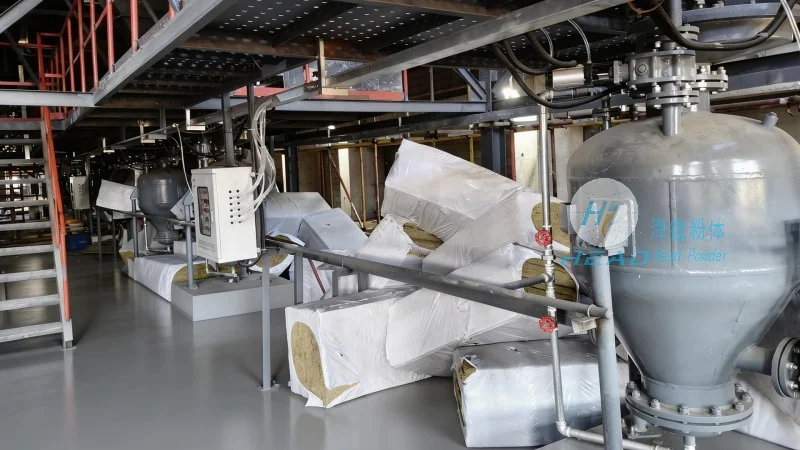
Applications in the Industry
Synthetic fiber material handling systems are integral to various industrial applications. In the textile industry, these systems are used to transport raw fibers to spinning machines and finished yarns to weaving or knitting equipment. In automotive manufacturing, they handle fibers for reinforcing composites and interior fabrics. The construction industry utilizes synthetic fibers in insulation and reinforcement materials, requiring efficient handling to ensure quality and consistency. Each application demands a tailored approach to material handling, reflecting the diverse needs of the industry.
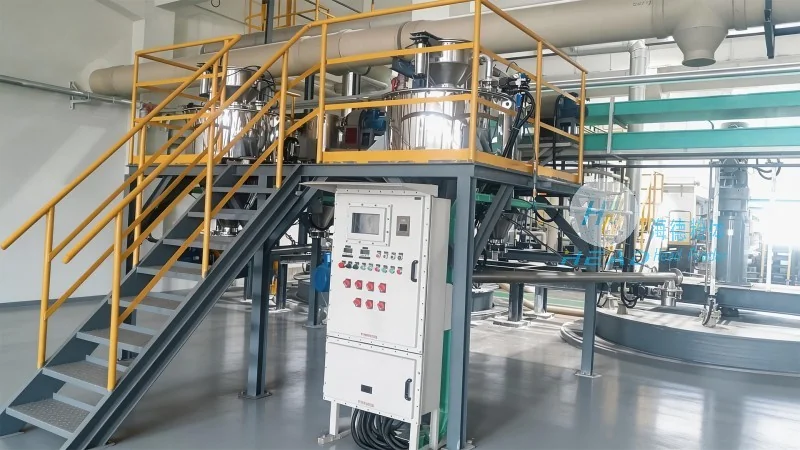
Importance of Proper Design and Implementation
Proper design and implementation of synthetic fiber material handling systems are critical for operational success. A well-designed system reduces downtime, minimizes material waste, and enhances overall productivity. It also ensures compliance with safety regulations, protecting both workers and the environment. Companies like Shandong HeadPowder Engineering Co., Ltd. specialize in designing and implementing these systems, leveraging their expertise to meet the unique challenges of synthetic fiber handling. Their solutions are tailored to the specific requirements of each client, ensuring long-term efficiency and reliability.
Conclusion
Synthetic fiber material handling is a complex process that requires careful consideration of the material's properties and the operational environment. By adhering to sound design principles and using appropriate equipment, industries can achieve efficient and safe handling of synthetic fibers. The expertise of companies such as Shandong HeadPowder Engineering Co., Ltd. plays a vital role in developing and implementing these systems, contributing to the success of businesses that rely on synthetic fibers in their production processes.