

Pneumatic Conveying Design and Equipment Selection for Powdered Explosives
HeadPowder, a leading engineering firm based in Shandong, China, specializes in the design, calculation, and selection of equipment for pneumatic conveying systems used in the handling of powdered explosives. This article provides a comprehensive overview of the key considerations and technical aspects involved in the design process, ensuring safe, efficient, and reliable material transport for industrial applications.
Key Design Considerations for Pneumatic Conveying Systems
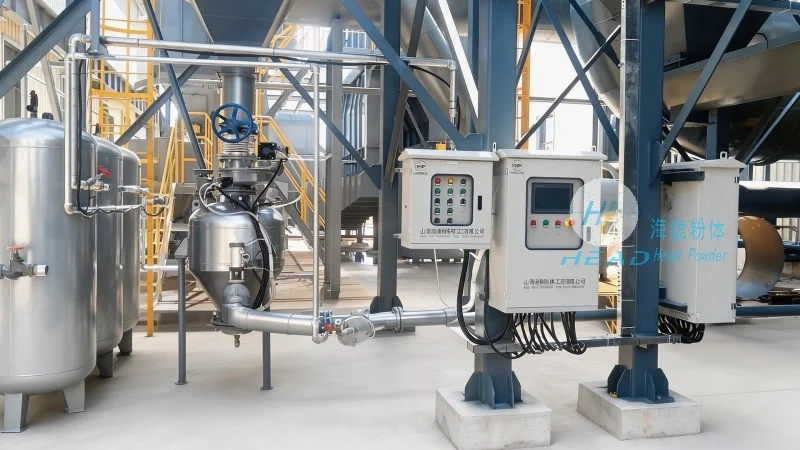
When designing a pneumatic conveying system for powdered explosives, several critical factors must be addressed to ensure optimal performance and safety. The first step is to assess the material characteristics, including particle size distribution, bulk density, and flowability. These properties directly influence the choice of system type—either positive pressure or negative pressure—and the required air velocity and pressure. For instance, fine powders with low bulk density may require higher air velocities to maintain suspension, while cohesive or sticky powders need specialized feeding equipment to prevent blockages.
System Type Selection: Positive vs. Negative Pressure
Positive pressure systems, where air is blown into the conveying line, are commonly used for long-distance or high-temperature applications. They offer better control over dust emissions and are suitable for materials that are sensitive to moisture or contamination. In contrast, negative pressure systems, which draw material into the line using suction, are ideal for short-distance transport and applications where dust containment is less critical. The selection between these two systems depends on factors such as the distance between the source and destination, the material's properties, and the environmental regulations in the operating area.
Equipment Selection: From Feeders to Separators
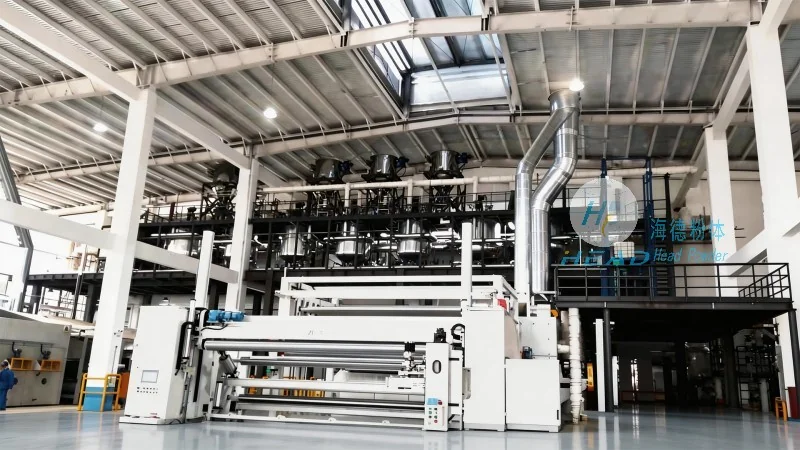
Equipment selection is a critical component of the design process. The feeder is the first piece of equipment that interacts with the material and must be chosen based on the material's flow characteristics. For free-flowing powders, rotary valves or star feeders are commonly used, while for cohesive or sticky materials, screw feeders or vibratory feeders may be required. The feeder's capacity must match the system's throughput to avoid overloading or underloading, which can lead to system inefficiencies or blockages.
The conveying line itself is typically made of stainless steel or other corrosion-resistant materials to handle the abrasive nature of powdered explosives. The pipe diameter and length are calculated based on the air velocity and material flow rate, ensuring that the material remains in suspension throughout the transport process. For long-distance systems, intermediate separators may be installed to remove excess air and reduce pressure drop.
Separation and Recovery Systems
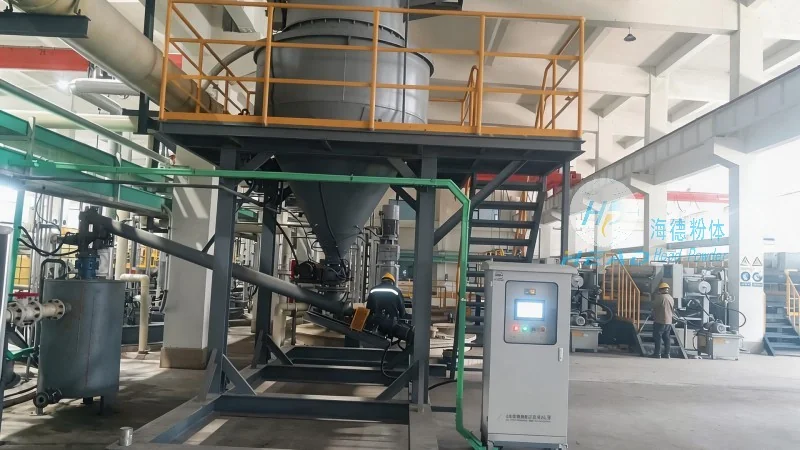
At the receiving end, a separation system is essential to recover the material from the air stream and prevent dust emissions. Cyclone separators are commonly used for primary separation, while bag filters or cartridge filters provide secondary filtration to meet environmental standards. The design of the separation system must consider the material's particle size and density to ensure efficient recovery and minimize losses.
Safety and Compliance Considerations
Handling powdered explosives requires strict adherence to safety regulations due to the potential for fire or explosion. The pneumatic conveying system must be designed with explosion-proof components, such as spark arrestors and pressure relief valves, to prevent the propagation of flames or pressure buildup. Additionally, the system should be equipped with monitoring devices to detect leaks or abnormal pressure changes, ensuring immediate shutdown in case of an emergency.
Case Study: A Typical Pneumatic Conveying System for Powdered Explosives
Consider a scenario where a mining company in China needs to transport 10 tons of powdered explosive from a storage silo to a loading area over a distance of 200 meters. The material has a bulk density of 1.2 g/cm³ and a particle size range of 0.1-0.5 mm. Using HeadPowder's engineering expertise, the following design was implemented:
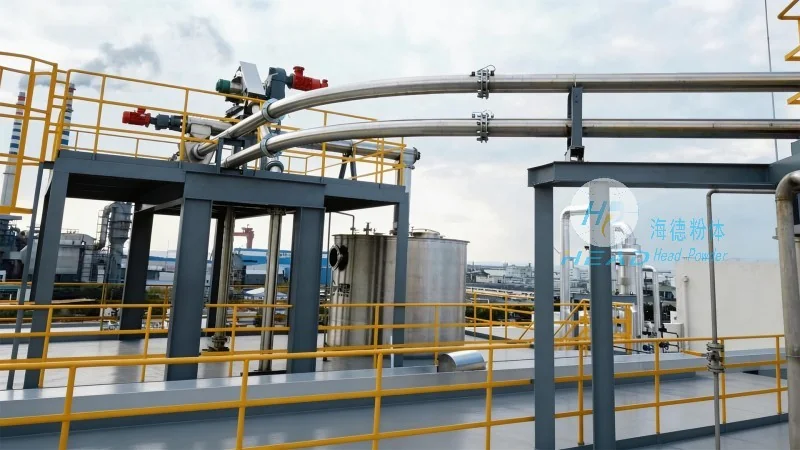
The system was configured as a positive pressure system with a rotary valve feeder, a 100 mm diameter stainless steel pipe, and a cyclone separator at the receiving end. The air velocity was calculated to be 20 m/s, which ensured the material remained in suspension. The air pressure was maintained at 0.6 MPa, providing sufficient force to overcome friction losses in the pipe. The separation system recovered over 99% of the material, with minimal dust emissions. The system operated efficiently for over 8 hours without any blockages or safety incidents, demonstrating the effectiveness of the design.
Conclusion
Designing and selecting equipment for pneumatic conveying of powdered explosives is a complex process that requires a deep understanding of material properties, system dynamics, and safety regulations. HeadPowder, with its expertise in engineering and industrial applications, provides comprehensive solutions tailored to the specific needs of clients. By following the key considerations outlined in this article, industrial facilities can achieve safe, efficient, and reliable material transport, minimizing downtime and operational costs.