

Design Considerations for Sweet Potato Pneumatic Conveying Systems
When designing a sweet potato pneumatic conveying system, several critical factors must be carefully considered to ensure optimal performance, efficiency, and durability. These considerations are essential for maintaining the quality of the sweet potatoes and the overall reliability of the conveying process. Shandong HeadPowder Engineering Co., Ltd., a leading provider of engineering solutions for agricultural processing, specializes in designing efficient pneumatic conveying systems for various bulk materials, including sweet potatoes. The following sections outline key design aspects that should be addressed during the planning and implementation stages.
System Selection and Material Compatibility
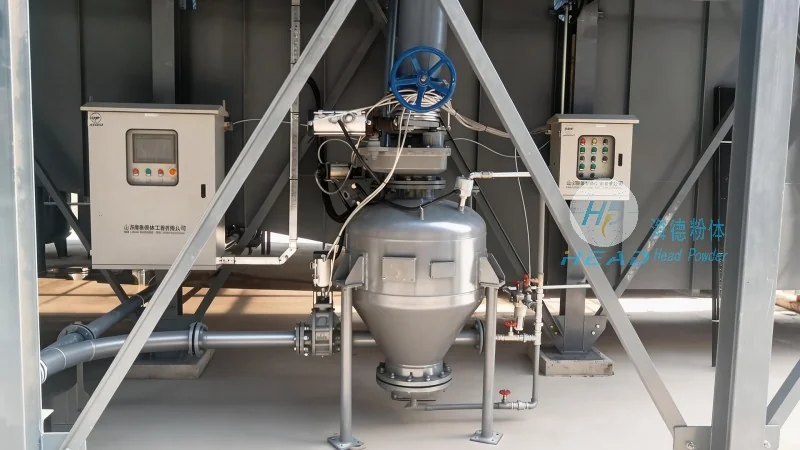
Choosing the right type of pneumatic conveying system is the first step in ensuring successful operation. For sweet potatoes, which are typically handled in bulk, a positive pressure system is often preferred due to its ability to handle abrasive materials and prevent product degradation. The system must be designed to accommodate the specific characteristics of sweet potatoes, such as their moisture content, size variation, and potential for dust generation. Material compatibility is also crucial; all components, including pipes, valves, and filters, should be made from materials that resist corrosion and are easy to clean, especially since sweet potatoes can leave residues that may affect the system's performance over time.
Pipeline Design and Layout
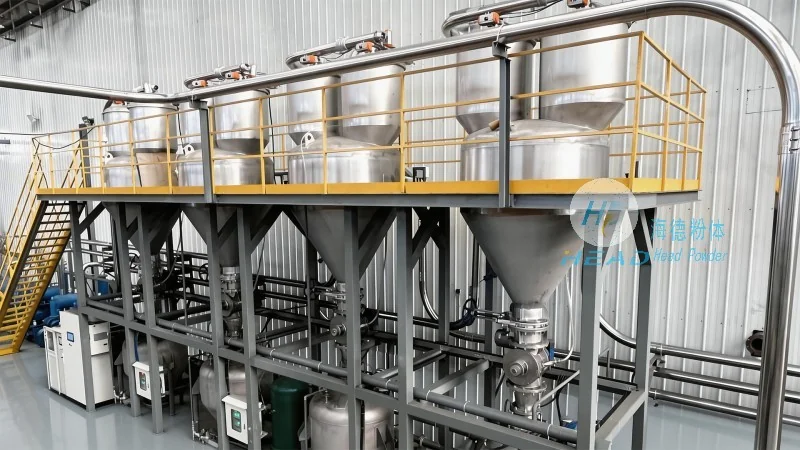
The layout of the pipeline network is a critical design element that impacts the system's efficiency and energy consumption. The pipeline should be designed to minimize pressure drops and ensure consistent air flow. This involves selecting appropriate pipe diameters and lengths, as well as incorporating appropriate bends and fittings to reduce turbulence. For sweet potatoes, which can be prone to clogging, the use of larger diameter pipes and smooth interior surfaces is recommended. Additionally, the pipeline should be laid out to avoid sharp turns and excessive vertical drops, as these can cause product damage or blockages. Proper sealing of all joints is essential to prevent air leakage, which can reduce system efficiency and increase energy costs.
Air Source and Pressure Considerations
The air source is a key component of any pneumatic conveying system, and its selection directly impacts performance. For sweet potatoes, a high-pressure system is generally more effective, as it can handle the density and moisture content of the material. The air compressor must be capable of delivering sufficient pressure and volume to move the sweet potatoes through the pipeline without excessive energy consumption. The air source should also be equipped with a filtration system to remove contaminants, such as dust or moisture, which can damage the system components or affect the quality of the conveyed product. Regular maintenance of the air compressor and filtration system is essential to ensure consistent performance and prevent downtime.
Equipment Selection and Maintenance
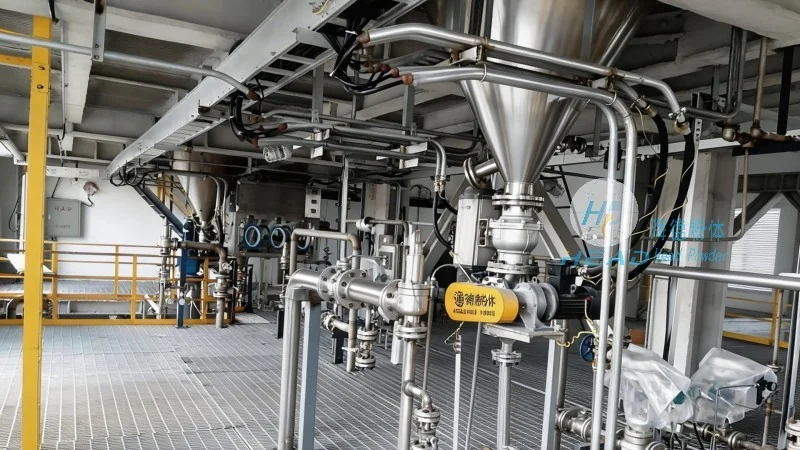
Selecting the appropriate equipment for the sweet potato pneumatic conveying system is vital for long-term operation. This includes the air compressor, vacuum or pressure blowers, and the conveying line itself. The equipment should be chosen based on the system's capacity and the specific characteristics of the sweet potatoes being handled. For example, if the system is used for high-volume production, a larger air compressor may be required. Regular maintenance of all equipment is essential to prevent breakdowns and ensure optimal performance. This includes checking for wear and tear on components, such as bearings and seals, and replacing them as needed. Proper maintenance can significantly extend the lifespan of the equipment and reduce long-term costs.
Control Systems and Automation
Implementing a control system can enhance the efficiency and reliability of the sweet potato pneumatic conveying system. Automation allows for better control over the conveying process, including the start and stop of the system, and the adjustment of air pressure and flow rates. This can help optimize energy usage and reduce labor costs. The control system should be designed to monitor key parameters, such as pressure, flow rate, and temperature, and alert operators to any issues that may arise. This proactive approach can prevent system failures and minimize downtime. For example, if the system detects a blockage or pressure drop, it can automatically shut down or adjust the flow to prevent further damage.