

Design Considerations for PVC Powder Pneumatic Conveying Systems
When designing a PVC powder pneumatic conveying system, several critical factors must be considered to ensure efficient operation, reliability, and cost-effectiveness. Proper system design is essential for maintaining the quality of the PVC powder and minimizing operational issues such as blockages, pressure drops, and equipment wear. This article outlines key design considerations for PVC powder pneumatic conveying systems, emphasizing the importance of selecting appropriate components and configurations tailored to the specific characteristics of the material and the application requirements.
Understanding the Material Properties of PVC Powder
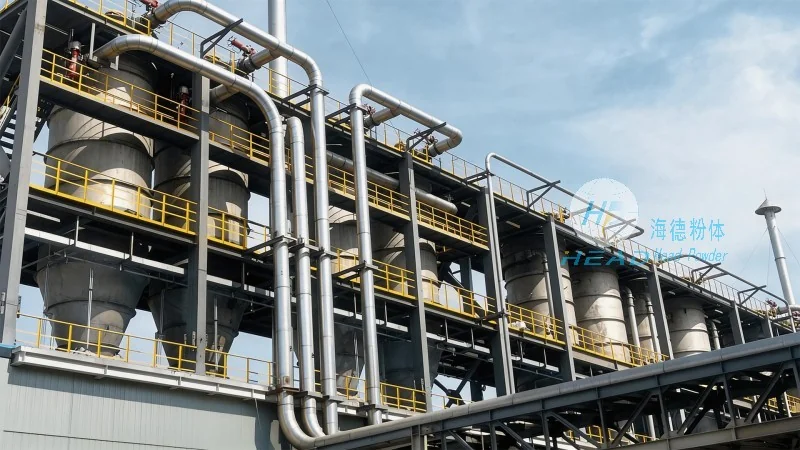
Before designing a pneumatic conveying system for PVC powder, it is crucial to thoroughly understand the material's physical and chemical properties. PVC powder typically has a certain particle size distribution, bulk density, and flowability, which directly impact the system's performance. For instance, finer particles may require higher air velocities to prevent clogging, while coarser particles might need larger duct diameters to maintain adequate flow rates. Additionally, PVC powder's moisture content and potential for static electricity can affect the system's efficiency and safety. By analyzing these properties, engineers can select the appropriate conveying method (e.g., dilute phase or dense phase) and equipment such as blowers, filters, and cyclones that are best suited for the material.
System Configuration and Components Selection
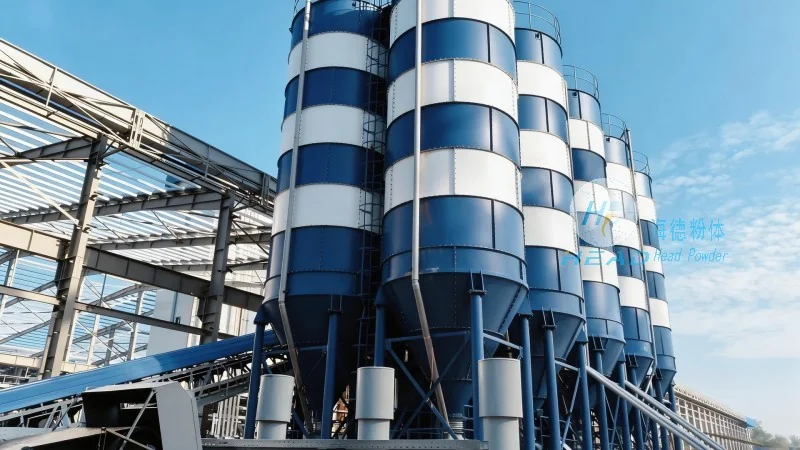
The configuration of a PVC powder pneumatic conveying system involves selecting the right components to ensure smooth material transport. Key components include the material feed system, air supply unit (blower or compressor), conveying ducts, and collection equipment. The choice of blower type (centrifugal or positive displacement) is critical, as it determines the system's pressure and flow capacity. For PVC powder, a centrifugal blower is often preferred due to its ability to handle large volumes of air at moderate pressures, which is suitable for dilute phase conveying. The duct design, including the diameter and length, must be optimized to maintain consistent air velocity and prevent pressure losses. Additionally, the inclusion of filters and cyclones is essential to remove dust and protect downstream equipment from contamination. Proper component selection ensures that the system operates efficiently and maintains the quality of the PVC powder throughout the conveying process.
Design Considerations for Material Handling and Flow Control
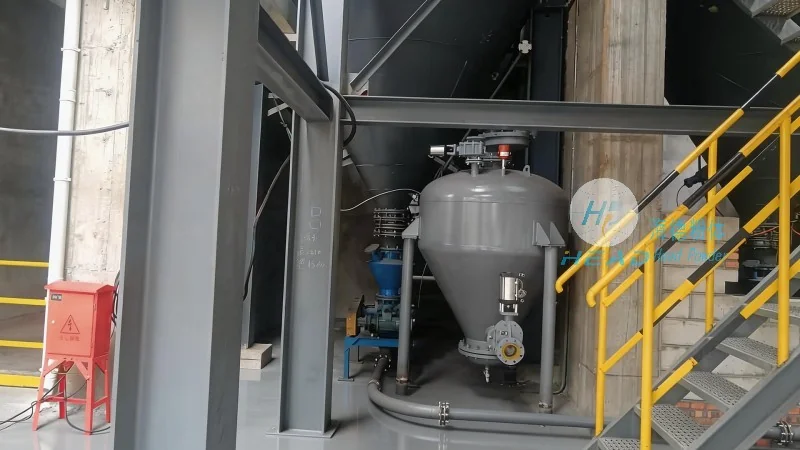
Effective flow control is vital in PVC powder pneumatic conveying systems to prevent issues such as surging, choking, or uneven material distribution. The feed system, including hoppers and feeders, must be designed to provide a consistent flow rate to the conveying line. For PVC powder, which can be prone to bridging or segregation, the use of a hopper with a conical bottom and a rotary valve or screw feeder can help maintain uniform material flow. The air-to-solid ratio (the ratio of air volume to material volume) is another critical parameter that affects system performance. An optimal ratio ensures that the material is fully suspended in the air stream, reducing the risk of clogging and improving overall efficiency. Engineers must also consider the system's pressure drop across the conveying line, as excessive pressure drop can lead to reduced conveying capacity or increased energy consumption. By carefully controlling the air-to-solid ratio and maintaining consistent flow rates, the system can operate reliably and deliver the PVC powder to the destination without interruptions.
Safety and Maintenance Considerations
Safety is a top priority when designing PVC powder pneumatic conveying systems, as the material can pose risks such as dust explosions or equipment failure. Proper ventilation and explosion-proof designs are essential to mitigate these risks. The system should include features such as pressure relief valves and flame arrestors to prevent over-pressurization and potential explosions. Additionally, regular maintenance is crucial to ensure the system's longevity and performance. This includes cleaning filters, inspecting ducts for blockages, and checking the condition of components like blowers and feeders. By implementing a comprehensive maintenance plan, the system can operate efficiently and safely over its lifespan. The company, Shandong HeadPowder Engineering Co., Ltd., specializes in designing and manufacturing pneumatic conveying systems tailored to the specific needs of PVC powder applications, ensuring that safety and reliability are prioritized in every project.
Case Study: Successful Implementation of PVC Powder Pneumatic Conveying System
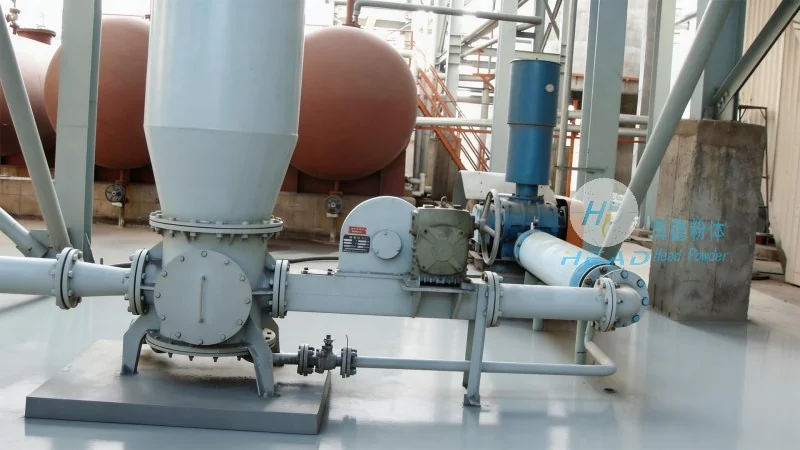
Shandong HeadPowder Engineering Co., Ltd. has successfully implemented numerous PVC powder pneumatic conveying systems for various industrial applications. One notable project involved supplying PVC powder to a manufacturing facility for plastic production. The system was designed to handle a high volume of fine PVC powder, with a capacity of 10 tons per hour. The engineers at HeadPowder carefully analyzed the material properties and selected a centrifugal blower and appropriate duct dimensions to ensure efficient conveying. The system was equipped with advanced filters and cyclones to maintain product quality and prevent contamination. The project was completed on time and within budget, with the client reporting significant improvements in operational efficiency and reduced downtime. This success highlights the importance of proper system design and the expertise of HeadPowder in delivering reliable pneumatic conveying solutions for PVC powder applications.