

Understanding Graphite Lumps Pneumatic Conveying Systems: Equipment and Design Principles
Graphite, a versatile material with applications in various industries, often requires efficient handling and transportation. Among the methods used for this purpose, pneumatic conveying systems stand out as a reliable solution for transporting graphite lumps. This article explores the equipment involved in such systems and delves into the underlying design principles that ensure optimal performance, with a focus on solutions provided by Shandong HeadPowder Engineering Co., Ltd.
Introduction to Graphite Lumps Pneumatic Conveying Systems
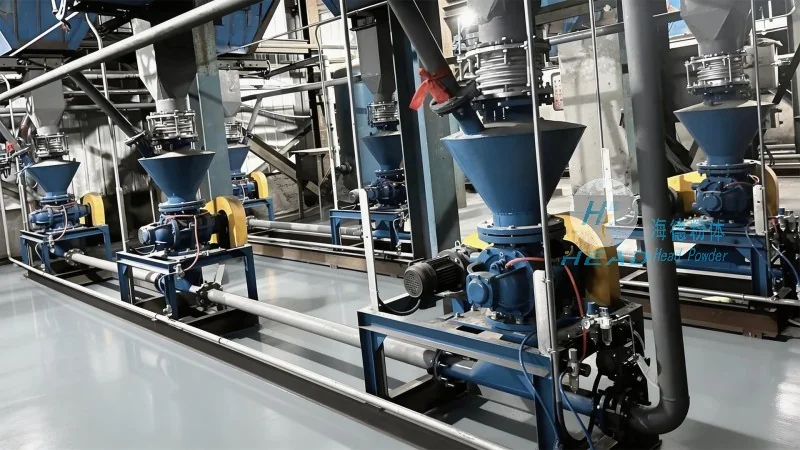
Graphite lumps, typically in the form of raw or processed material, need to be moved from one location to another within industrial settings. Traditional methods like belt conveyors or manual handling may not be suitable for all applications, especially when dealing with dusty or abrasive materials. Pneumatic conveying systems offer a dust-free, low-maintenance alternative that can handle a wide range of particle sizes and materials, including graphite. These systems utilize air pressure to transport materials through a pipeline, making them ideal for applications where hygiene and product integrity are critical. Shandong HeadPowder Engineering Co., Ltd. specializes in designing and manufacturing such systems tailored to the specific needs of clients in the graphite industry.
Key Equipment in Graphite Lumps Pneumatic Conveying Systems
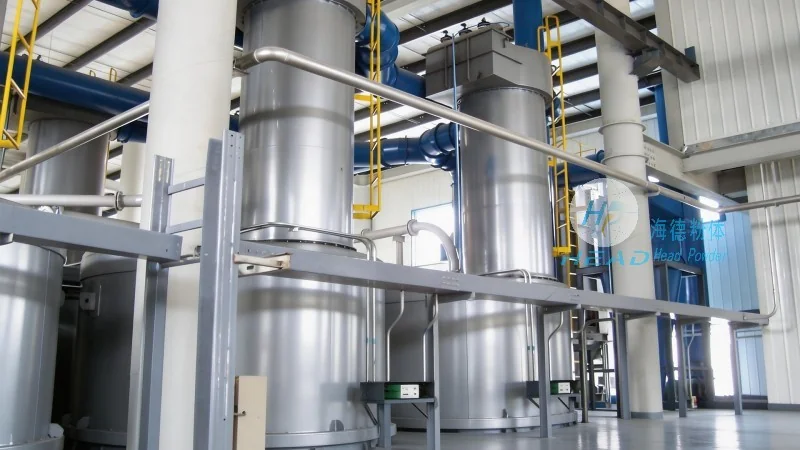
The effectiveness of a graphite lumps pneumatic conveying system depends on several key components working in harmony. The primary equipment includes a feed hopper, which stores and feeds the graphite lumps into the system. The feed hopper is designed to maintain a consistent flow of material, preventing blockages and ensuring smooth operation. Next, the conveying line is a crucial part of the system, typically made of stainless steel or other corrosion-resistant materials to withstand the abrasive nature of graphite. The line is equipped with valves and bends that direct the material along the intended path. At the receiving end, a separator or de-duster is used to separate the conveyed material from the air, ensuring that the graphite is collected in a clean and dry state. Additionally, a blower or air compressor provides the necessary air pressure to move the material through the pipeline. This component must be capable of generating sufficient pressure and volume to handle the specific characteristics of graphite lumps, such as their density and particle size. The team at Shandong HeadPowder Engineering Co., Ltd. ensures that all equipment is optimized for the unique properties of graphite, enhancing system efficiency and longevity.
Design Principles Behind Graphite Lumps Pneumatic Conveying Systems
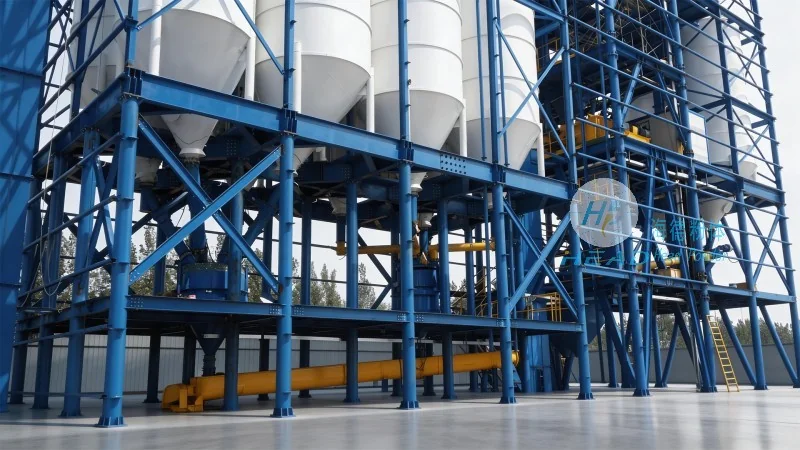
The design of a graphite lumps pneumatic conveying system is based on several fundamental principles to ensure efficiency and reliability. The first principle is the air-to-material ratio, which refers to the amount of air used per unit of material being conveyed. This ratio is critical as it determines the velocity of the material in the pipeline and affects the system's capacity. An optimal air-to-material ratio ensures that the material is fully suspended and transported without causing excessive wear on the equipment. The second principle is the pipeline design, which includes considerations such as pipe diameter, length, and the number of bends. The diameter of the pipeline must be large enough to prevent blockages and allow the material to flow freely. The length and number of bends affect the pressure drop along the line, which impacts the blower's power requirements. The third principle is the material characteristics, which include the density, particle size distribution, and moisture content of the graphite lumps. These factors influence the system's design, as different materials may require different air pressures and pipeline configurations. For example, larger or denser graphite lumps may need higher air pressure to ensure proper suspension and transport. Shandong HeadPowder Engineering Co., Ltd. employs advanced engineering techniques to analyze these characteristics and design systems that meet the exact specifications of each client.
Applications and Benefits of Graphite Lumps Pneumatic Conveying Systems
Graphite lumps pneumatic conveying systems are widely used in various industries, including metallurgy, refractory materials, and battery manufacturing. In the metallurgy industry, these systems are used to transport graphite lumps from storage to processing facilities, such as furnaces or reactors. In the refractory industry, they are employed to move graphite-based materials for the production of refractory bricks and linings. The benefits of using pneumatic conveying systems for graphite lumps include improved safety, as they eliminate the need for manual handling of dusty materials, reducing the risk of respiratory issues and other health hazards. Additionally, these systems offer higher efficiency compared to traditional methods, as they can transport materials over longer distances with minimal loss. The dust-free operation also contributes to a cleaner working environment, which is essential in industries where product purity is paramount. Furthermore, pneumatic conveying systems are more flexible in terms of layout, allowing for changes in the production process without major modifications to the infrastructure. Shandong HeadPowder Engineering Co., Ltd. has successfully implemented these systems for numerous clients, demonstrating their effectiveness in enhancing operational efficiency and product quality.
Conclusion
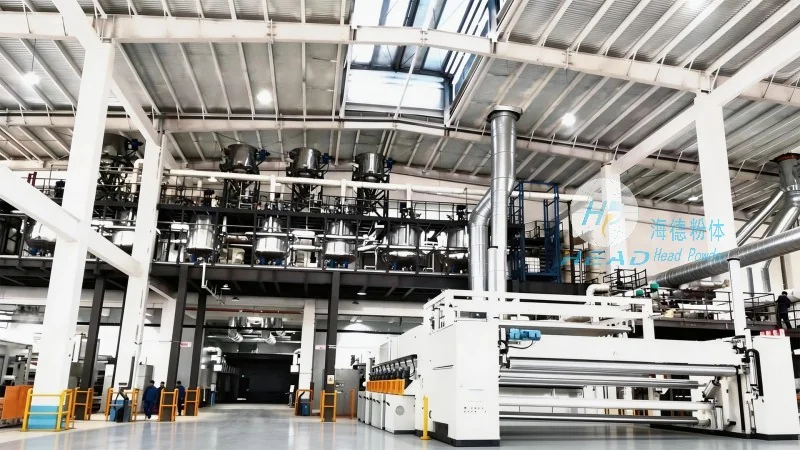
In conclusion, graphite lumps pneumatic conveying systems are an essential part of modern industrial operations, providing an efficient and reliable method for transporting graphite materials. The key equipment, including feed hoppers, conveying lines, separators, and blowers, work together to ensure smooth operation. The design principles, such as air-to-material ratio, pipeline design, and material characteristics, are critical in optimizing the system's performance. By understanding these aspects, industries can select and implement the most suitable pneumatic conveying system for their specific needs, enhancing productivity and maintaining product quality. As the demand for graphite continues to grow, the importance of efficient material handling systems like these will only increase, making them a vital component in the supply chain of graphite-based products. Shandong HeadPowder Engineering Co., Ltd. remains committed to providing innovative and reliable solutions for the graphite industry, ensuring that clients can achieve optimal performance and efficiency in their material handling processes.