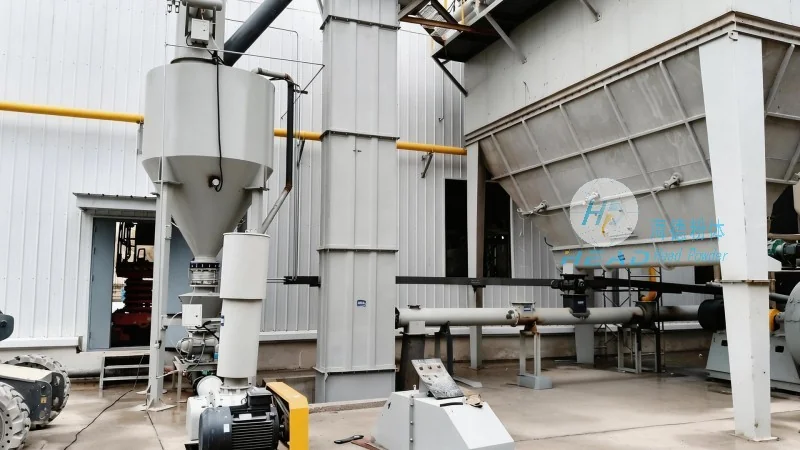
Barite, a heavy mineral widely utilized in drilling fluids and industrial applications, demands efficient and reliable transport solutions. The barite pneumatic conveying system addresses this need by leveraging air to move material through pipelines, offering a solution that minimizes mechanical wear and contamination risks. Understanding the system's functionality and design principles is essential for optimizing industrial processes and ensuring material integrity.
Introduction to Barite Pneumatic Conveying Systems
Barite, or barium sulfate, is characterized by its high specific gravity and dense composition, making it critical for maintaining the density of drilling fluids in oil and gas operations. Traditional handling methods often struggle with the abrasive nature and bulk of barite, leading to inefficiencies and material loss. Pneumatic conveying systems provide a superior alternative by using compressed air to transport the material, eliminating the need for mechanical components like belts or buckets. This approach is particularly advantageous for barite due to its fine particle size and the need for precise control during transport.
Design Principles of Barite Pneumatic Conveying Systems
The design of a barite pneumatic conveying system is built upon several core principles to ensure optimal performance. First, the system must accommodate the high density and flow characteristics of barite. This involves selecting appropriate air velocities and pipeline diameters to prevent material settling or blockages. The design typically includes a hopper for material storage, a blower or compressor to generate the necessary air pressure, and a pipeline network to direct the material to its destination. Additionally, the system incorporates pressure control mechanisms and filtration systems to maintain air quality and prevent dust accumulation, which is vital for both operational safety and environmental compliance.
Key Components and Their Functions
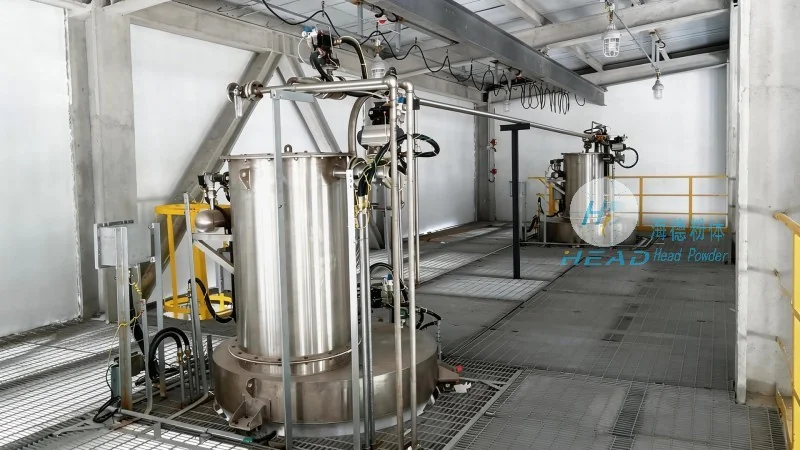
Several critical components make up a barite pneumatic conveying system. The hopper serves as the primary storage and feeding unit, ensuring a consistent flow of material into the system. The blower or compressor provides the force to move the material through the pipeline, with adjustable pressure settings to match the material's properties. The pipeline itself is constructed with materials resistant to abrasion and corrosion, such as stainless steel or special coatings, to withstand the harsh conditions of barite transport. At the receiving end, cyclones or filters separate the material from the air, allowing for clean deposition of barite in the desired location. This separation process is crucial for maintaining the purity of the material and preventing air contamination.
Advantages of Implementing Barite Pneumatic Conveying Systems
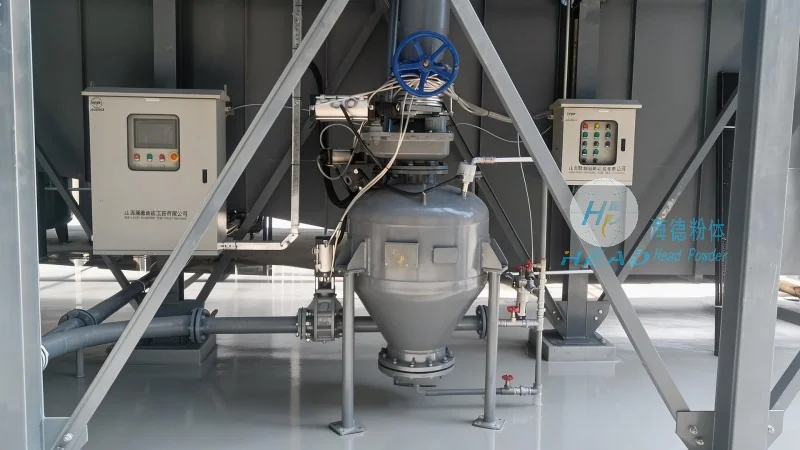
Adopting a barite pneumatic conveying system offers numerous benefits over conventional material handling methods. These include reduced labor costs, as the system automates the entire transport process, minimizing manual intervention. It also significantly reduces material loss and contamination, which is essential for maintaining the quality of barite used in industrial applications. The system's flexibility in layout allows for easy adjustments to the material flow path, making it adaptable to changing operational requirements. Furthermore, the system is more energy-efficient compared to mechanical systems, as it uses compressed air rather than motor-driven components, leading to lower operational costs over time.
Applications in Industrial Settings
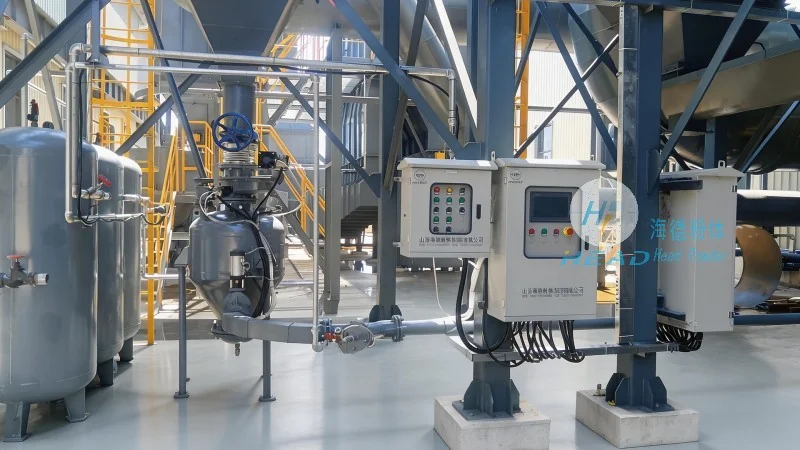
Barite pneumatic conveying systems are extensively used in various industrial sectors, with the oil and gas industry being the largest adopter. In drilling operations, the system ensures that barite is delivered to the well site in a controlled manner, maintaining the required density of the drilling fluid. This is critical for preventing wellbore instability and ensuring the success of the drilling process. Beyond the oil and gas sector, the system is also employed in the chemical, pharmaceutical, and manufacturing industries, where barite is used as a filler or additive in products such as paints, plastics, and cosmetics. The system's ability to handle fine powders and maintain high purity makes it suitable for these applications, where material quality is paramount.
Conclusion
In summary, a barite pneumatic conveying system is a sophisticated and efficient solution for transporting barite in industrial environments. Its design principles, which focus on material flow, air pressure, and system control, ensure that the material is handled safely and effectively. By integrating key components like hoppers, blowers, and filtration systems, the system optimizes material transport while minimizing operational risks. The advantages of reduced labor costs, minimized contamination, and adaptability make it a preferred choice for industries relying on barite. As industrial processes continue to evolve, the barite pneumatic conveying system remains a reliable and essential tool for maintaining operational efficiency and material quality.




