For industrial applications involving nano calcium carbonate, the design of an efficient material handling line is crucial to ensure consistent quality and operational efficiency. This article explores the concept of a nano calcium carbonate material handling line and delves into its underlying design principles, highlighting the technical aspects that contribute to optimal performance.
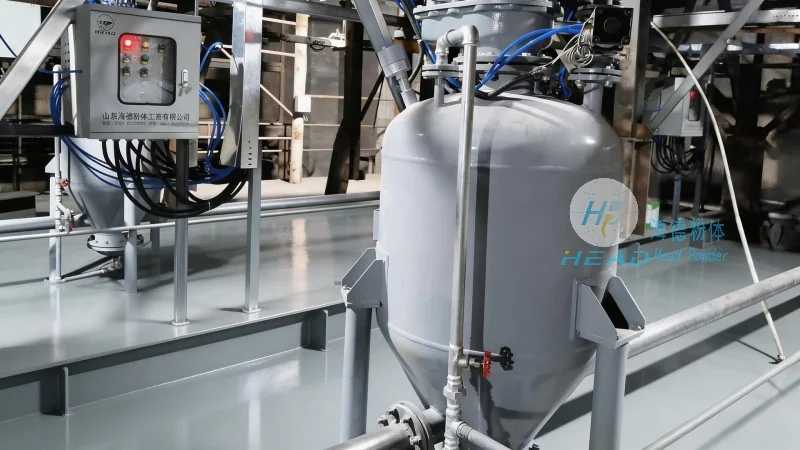
Understanding the Nano Calcium Carbonate Material Handling Line
A nano calcium carbonate material handling line is a specialized system engineered to transport, process, and manage nano calcium carbonate powders. These materials are characterized by their extremely fine particle size, typically ranging from 0.01 to 5 micrometers, which makes handling them distinct from conventional bulk materials. The line integrates various components such as feeders, conveyors, classifiers, and storage systems to ensure that the nano calcium carbonate is moved safely and efficiently through the production process.
Key Design Principles for Optimal Performance
The design of a nano calcium carbonate material handling line is guided by several critical principles aimed at maintaining the integrity of the material and maximizing operational efficiency. These principles include:
1. Minimizing Particle Agglomeration: Nano calcium carbonate particles have a high surface energy, making them prone to clumping. The design incorporates gentle handling mechanisms, such as low-speed conveyors and air classifiers, to prevent agglomeration and maintain particle uniformity.
2. Preventing Contamination: The material is highly sensitive to impurities, which can affect its performance in downstream applications. The system is constructed with materials that are non-reactive and easy to clean, such as stainless steel, to avoid cross-contamination and ensure product purity.
3. Ensuring Airflow Control: Proper airflow management is essential to prevent dust generation and maintain a safe working environment. The design includes dust collection systems and sealed conveyor sections to control air movement and minimize exposure to fine particles.
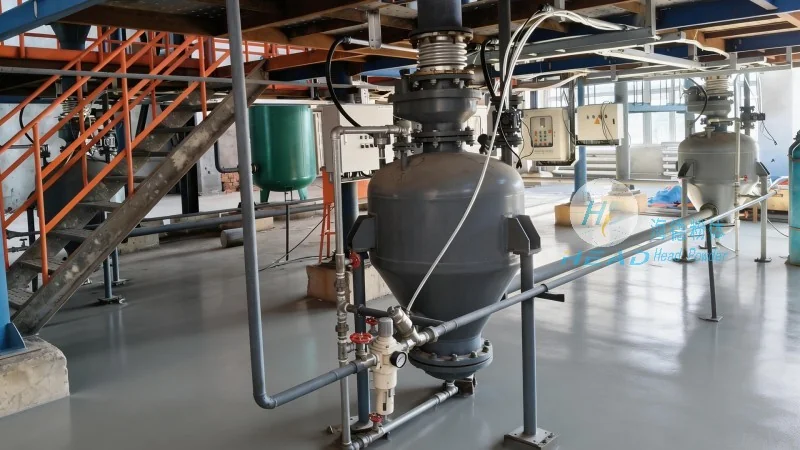
4. Optimizing Energy Efficiency: The system is engineered to minimize energy consumption while maintaining high throughput. This is achieved through the use of energy-efficient motors, variable speed drives, and optimized conveyor designs that reduce friction and power loss.
Components of a Typical Nano Calcium Carbonate Material Handling Line
A standard nano calcium carbonate material handling line consists of several interconnected components, each playing a vital role in the overall process. The primary components include:
1. Feed Hopper: The feed hopper is the initial storage and feeding unit that holds the raw nano calcium carbonate material. It is designed with a sloped bottom to facilitate smooth discharge and is equipped with level sensors to monitor material levels.
2. Feeder: The feeder is responsible for controlling the flow rate of the material from the hopper to the conveyor. Common types include screw feeders and vibratory feeders, which are chosen based on the material's properties and required flow rate.
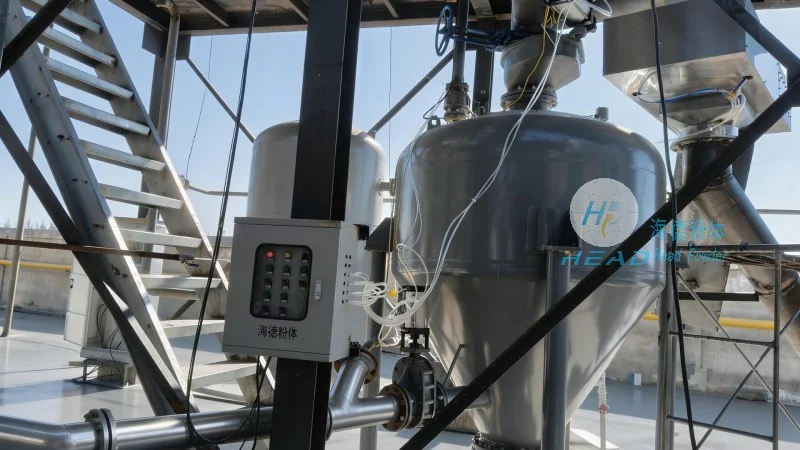
3. Conveyor System: The conveyor system transports the nano calcium carbonate from one stage to another. For fine powders, pneumatic conveyors or enclosed belt conveyors are often used to prevent dust dispersion and maintain material integrity.
4. Classifier: The classifier is used to separate particles based on size, ensuring that only the desired particle size range is sent to the next stage. This step is critical for maintaining product specifications and reducing waste.
5. Storage Silo: The storage silo provides a controlled environment for storing the processed nano calcium carbonate. It is designed with aeration systems to prevent caking and is equipped with discharge mechanisms to facilitate loading into packaging or downstream equipment.
The Role of Material Handling in Nano Calcium Carbonate Production
The material handling line is a critical link in the nano calcium carbonate production process, as it directly impacts the quality and consistency of the final product. Proper design and operation of the line ensure that the material remains in its nano state, avoiding any degradation that could affect its performance in applications such as plastics, coatings, and paper.
Conclusion
In summary, a nano calcium carbonate material handling line is a sophisticated system designed to handle the unique challenges posed by nano-sized particles. By adhering to key design principles such as minimizing agglomeration, preventing contamination, controlling airflow, and optimizing energy efficiency, the system ensures the reliable and efficient processing of nano calcium carbonate. The expertise of companies like Shandong HeadPowder Engineering Co., Ltd., with its focus on engineering tailored solutions for material handling, underscores the importance of a well-designed material handling line in the production of high-quality nano calcium carbonate products.




