What is an Electrode Dust Removal Ash Material Conveying Line? What is its Design Principle?
Release time:2026-09-15 05:01:10
name of the company:Shandong Headpowder Engineering Co., Ltd.
telephone:156-6277-7102
contacts:Zhang manager
Electrode dust removal ash material conveying lines are specialized industrial systems designed to handle and transport ash and dust generated during the production of calcium carbide. These systems are crucial in maintaining operational efficiency and environmental compliance in facilities that process or use calcium carbide. The primary function of such lines is to collect, transport, and manage the ash and dust, ensuring that the material is handled safely and effectively. This article will explore the components, design principles, and operational aspects of these conveying lines, providing a comprehensive understanding of their role in industrial applications.
Key Components of the Conveying Line
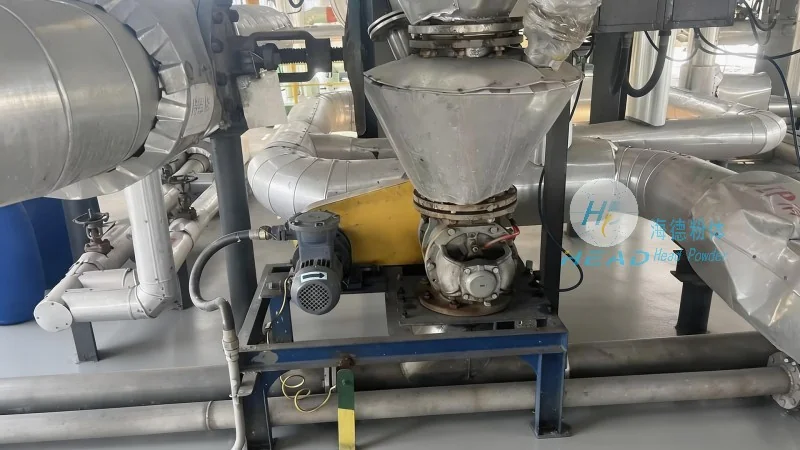
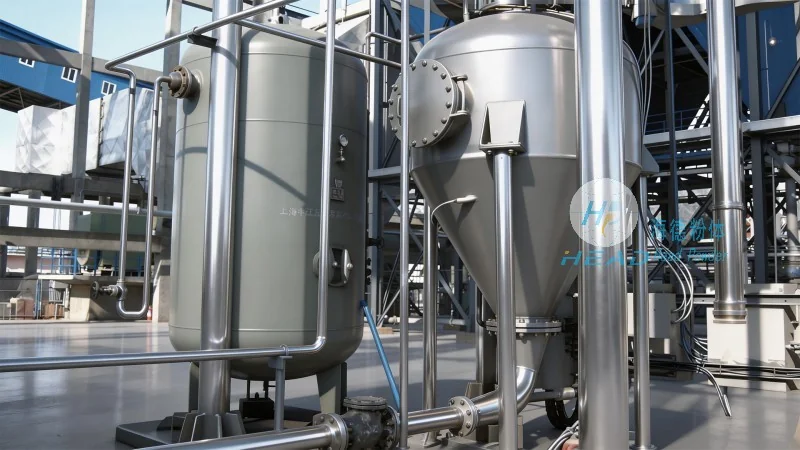
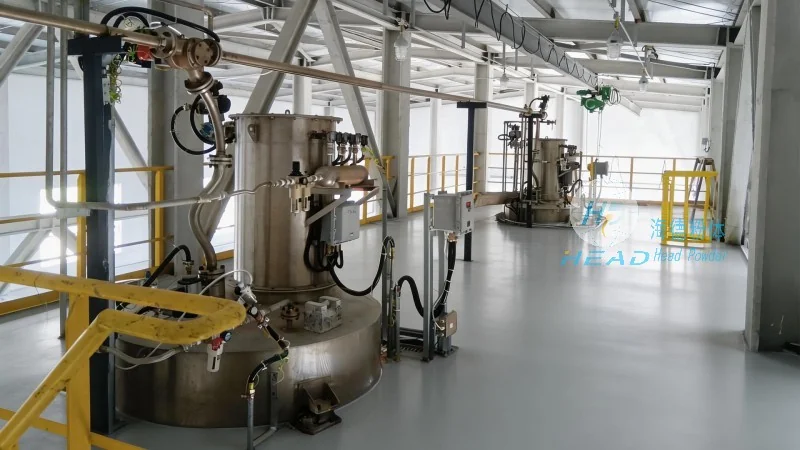
The electrode dust removal ash material conveying line typically consists of several key components that work together to achieve efficient material handling. The main components include dust collection hoppers, conveyor belts or screw conveyors, dust filtration systems, and material storage silos. Each component plays a vital role in the overall system's performance. The dust collection hoppers are strategically placed to capture ash and dust at the source, preventing it from spreading into the environment. The conveyor system then transports the collected material to the storage or processing area. The dust filtration systems ensure that any remaining particles are captured, meeting environmental regulations. The material storage silos provide a secure and organized space for the ash, allowing for controlled release when needed. The dust collection hoppers are typically made of durable materials like stainless steel or high-grade plastic, designed to withstand the harsh conditions of ash and dust exposure. These hoppers are equipped with inlet funnels that direct the ash and dust into the collection chamber, minimizing the risk of material spillage. The hoppers are often positioned at strategic points in the production facility, such as near the electrode dust removal units, to capture the material as it is generated. The conveyor system, which can be either a belt conveyor or a screw conveyor, is selected based on the material's properties. Belt conveyors are commonly used for transporting larger particles or heavier loads, while screw conveyors are ideal for fine ash and dust. The conveyor system is equipped with drive mechanisms, such as electric motors or gearboxes, to ensure consistent and reliable operation. The dust filtration systems, which may include bag filters or cyclone separators, are integrated into the line to capture any remaining particles before they are released into the environment. These filters are designed to handle the high volume of ash and dust, with regular maintenance to ensure optimal performance.




