Fly ash, a byproduct of coal combustion in thermal power plants, is a valuable resource that can be utilized in various construction and industrial applications. The efficient and reliable transportation of fly ash granular materials is crucial for optimizing production processes and ensuring consistent quality in downstream applications. A fly ash granular material conveying line is a specialized system designed to handle the movement of these fine particles from storage or processing areas to the intended destinations, such as mixing plants, storage silos, or processing facilities. This article explores the fundamental aspects of such a conveying line, including its design principles and key components.
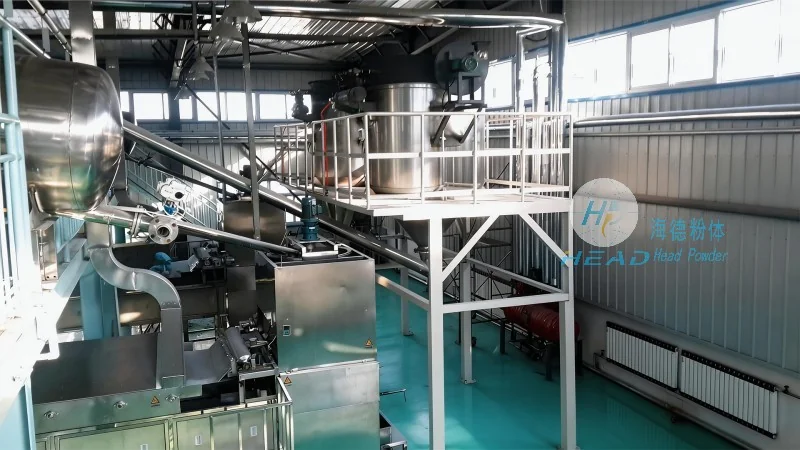
Key Components of a Fly Ash Conveying Line
The fly ash granular material conveying line typically consists of several essential components that work in tandem to ensure smooth and efficient material transport. The primary components include: feeders, which control the flow rate of fly ash from storage silos or hoppers; conveying equipment, such as belt conveyors, screw conveyors, or pneumatic conveying systems, which move the material through the system; transfer points, which facilitate changes in direction or elevation; and control systems, which monitor and regulate the entire operation. Each component plays a critical role in maintaining the integrity and flow of the fly ash particles, preventing issues like blockages or degradation.
Design Principles for Optimal Performance
The design of a fly ash granular material conveying line is based on several key principles aimed at maximizing efficiency, minimizing material loss, and ensuring safety. One of the primary design considerations is the particle size and moisture content of the fly ash. Fine particles are more prone to bridging or caking, which can lead to system blockages. Therefore, the conveying system must be designed to handle these characteristics effectively, often through the use of specialized feeders and conveyor designs that minimize friction and prevent material accumulation. Another critical principle is the system layout and flow path. The layout should be optimized to minimize the number of transfer points and the overall length of the conveying line, reducing energy consumption and wear on components. Additionally, the design must account for the environmental and safety requirements, such as dust control measures and proper ventilation to protect operators and the surrounding environment.
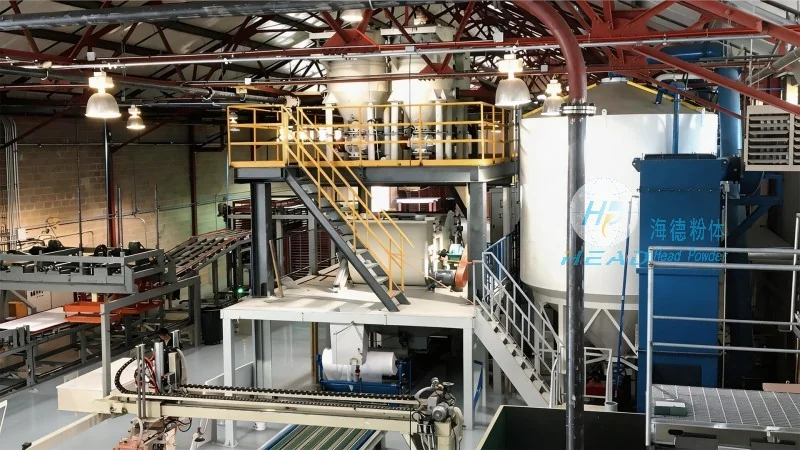
Material Handling Considerations
Handling fly ash granular materials requires careful consideration of several factors to ensure the conveying line operates reliably. The abrasiveness of fly ash can cause significant wear on conveyor components, such as belts and screws. Therefore, the selection of materials for these components is crucial, often involving high-strength, wear-resistant materials like rubber or steel alloys. The moisture content of the fly ash also impacts the conveying process; excessive moisture can lead to clumping, which may require additional drying or conditioning steps before transport. Furthermore, the airflow management in pneumatic conveying systems is critical to prevent dust emissions and maintain material quality. Proper filtration and ventilation systems are essential to comply with environmental regulations and protect personnel from inhalation hazards.
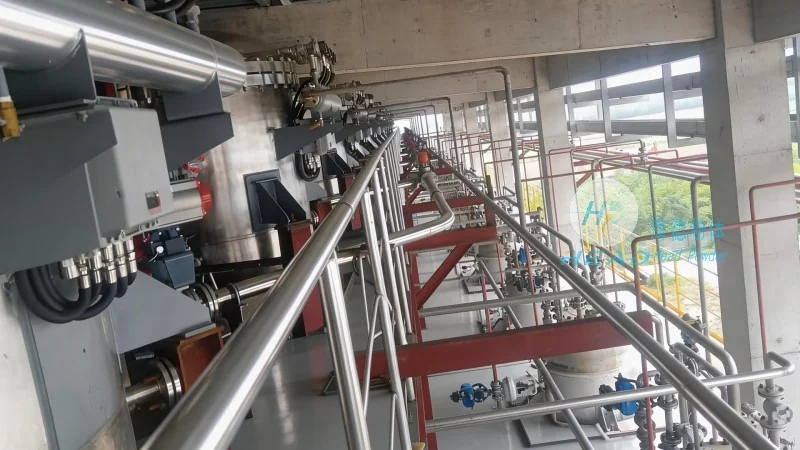
Application Examples and Benefits
Fly ash granular material conveying lines are widely used in various industrial and construction applications. For instance, in concrete production, fly ash is often mixed with cement to replace a portion of the Portland cement, improving the workability and durability of the final product. The conveying line ensures a consistent supply of fly ash to the mixing plant, enabling precise control over the cementitious material ratio. In power plant operations, the conveying line may transport fly ash from the bottom ash handling system to storage silos for reuse or disposal. The benefits of an efficient conveying line include reduced labor costs, improved production efficiency, and enhanced product quality. By minimizing material loss and ensuring consistent flow rates, the system contributes to overall operational savings and sustainability.
Conclusion
In summary, a fly ash granular material conveying line is a sophisticated system designed to handle the transportation of fine particles from coal combustion processes. The design principles, including considerations for particle characteristics, system layout, and environmental safety, are critical to ensuring optimal performance. By integrating specialized components and adhering to best practices, these conveying lines enable the efficient utilization of fly ash as a valuable resource in various industries. The expertise of companies like Shandong HeadPowder Engineering Co., Ltd. in designing and implementing such systems is essential for meeting the demands of modern industrial applications.




