A cement dry powder material conveying line is a specialized system engineered to transport bulk dry powders, such as cement, fly ash, and other fine particulate materials, from storage silos or production sites to processing units or end-use applications. This system is critical in industrial settings where efficient, dust-free, and reliable material handling is essential for maintaining production efficiency and environmental compliance. The design of such a line integrates various components, including silos, feeders, conveying equipment, and control systems, to ensure seamless material flow while minimizing operational risks.
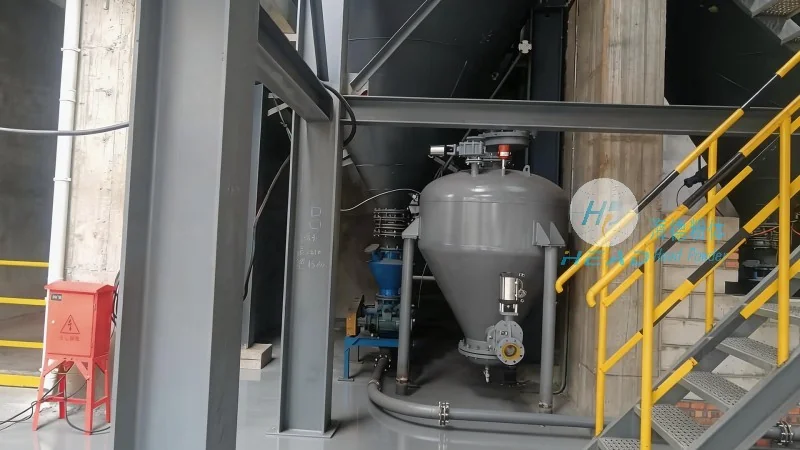
About HeadPowder: Your Trusted Partner in Material Handling Solutions
HeadPowder, or Shandong HeadPowder Engineering Co., Ltd., is a leading manufacturer and supplier of advanced material handling equipment, specializing in customized solutions for cement and dry powder industries. With a strong presence in China, particularly in Shandong, the company has built a reputation for delivering high-quality, durable, and efficient conveying systems tailored to meet the unique needs of clients in construction, cement production, and related sectors. HeadPowder’s commitment to innovation and customer satisfaction has positioned it as a key player in the material handling market, providing reliable equipment that enhances operational performance and reduces downtime.
The Core Design Principles of Cement Dry Powder Conveying Lines
The design of a cement dry powder material conveying line is governed by several fundamental principles aimed at ensuring optimal performance, safety, and efficiency. First, the system must prioritize dust control and environmental protection, as dry powders are prone to generating airborne particles that can pose health risks and environmental hazards. This is achieved through the use of sealed conveying systems, such as pneumatic or mechanical conveyors, which minimize exposure to dust. Second, the design must ensure consistent and reliable material flow, which is critical for maintaining production continuity. This involves selecting appropriate feeders and conveying equipment that can handle the specific characteristics of the material, including particle size, density, and moisture content. Third, the system must be robust and durable to withstand the harsh conditions of industrial environments, including high temperatures, abrasive materials, and continuous operation. The use of high-quality materials, such as stainless steel and corrosion-resistant components, is essential to ensure long-term reliability. Fourth, the design must incorporate advanced control systems that allow for real-time monitoring and adjustment of the conveying process, enabling operators to optimize performance and respond quickly to any issues that may arise.
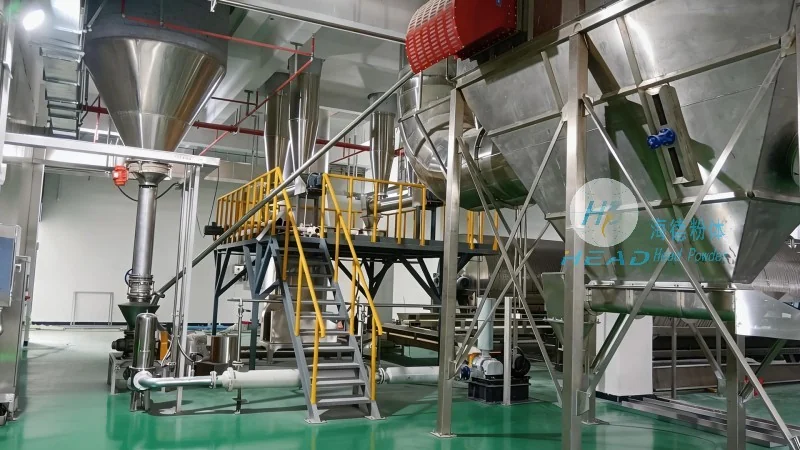
Key Components of a Cement Dry Powder Conveying Line
A typical cement dry powder material conveying line consists of several key components, each playing a crucial role in the overall operation. The primary components include: 1. Storage Silos: These are large, sealed containers used to store bulk dry powders, such as cement, ensuring that the material is kept dry and protected from contamination. The silos are designed with features like agitators or air cannons to prevent material bridging and ensure consistent material flow. 2. Feeders: Feeders are responsible for controlling the flow rate of the material from the silo to the conveying equipment. Common types include rotary valves, star feeders, and screw feeders, which are selected based on the material’s characteristics and the required flow rate. 3. Conveying Equipment: This is the core of the system, responsible for transporting the material from the feeder to the discharge point. Pneumatic conveyors, such as positive pressure or negative pressure systems, are commonly used for dry powders due to their ability to handle fine particles and minimize dust. Mechanical conveyors, like belt or chain conveyors, may also be used for larger or bulkier materials. 4. Control Systems: The control system manages the entire conveying process, including the operation of feeders, conveyors, and silo agitators. It typically includes sensors, such as level sensors and pressure sensors, to monitor the material levels and system performance, and control panels to allow operators to adjust settings and monitor real-time data. 5. Dust Collection Systems: To ensure environmental compliance and operator safety, dust collection systems are integrated into the design. These systems use filters or cyclones to capture airborne particles and return them to the conveying line or store them in a separate container.
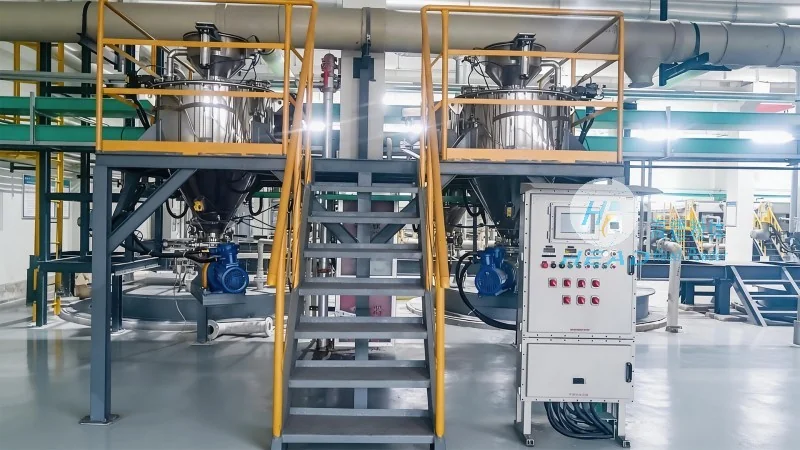
Applications of Cement Dry Powder Conveying Lines
Cement dry powder material conveying lines are widely used in various industrial applications, particularly in the construction and cement industries. Some common applications include: 1. Cement Production: In cement plants, these systems are used to transport raw materials, such as limestone and clay, from storage silos to the grinding and mixing units. They are also used to transport finished cement products from the production line to storage silos or shipping facilities. 2. Concrete Production: In concrete mixing plants, the conveying line is used to transport cement, fly ash, and other dry powders from storage to the mixing equipment, ensuring consistent and accurate dosing. 3. Construction Sites: At construction sites, the system can be used to transport cement and other dry materials from storage to the job site, reducing the need for manual handling and improving efficiency. 4. Industrial Processing: In other industrial processes, such as chemical and pharmaceutical manufacturing, dry powder conveying lines are used to transport raw materials or intermediates to processing units, ensuring a continuous and controlled supply of materials.
Conclusion: The Importance of Efficient Cement Dry Powder Conveying Lines
Efficient and reliable cement dry powder material conveying lines are essential for maintaining productivity and operational efficiency in industrial settings. The design of such systems must prioritize dust control, consistent material flow, durability, and advanced control capabilities to meet the demands of modern industry. With the expertise and experience of companies like Shandong HeadPowder Engineering Co., Ltd., businesses can access high-quality conveying solutions that enhance their operations and contribute to long-term success. By investing in a well-designed conveying line, companies can improve safety, reduce costs, and ensure compliance with environmental regulations, ultimately leading to a more sustainable and profitable operation.




