

What is a Copper Oxide Pneumatic Conveying System Equipment? What Are Its Design Principles?
Copper oxide is a widely used chemical compound in various industrial applications, and the efficient handling of this material often requires specialized equipment. A copper oxide pneumatic conveying system is a critical piece of machinery designed to transport copper oxide powder or granules through a pipeline using air or other gas as the conveying medium. This system is essential for industries such as mining, chemical processing, and manufacturing, where the safe and effective movement of copper oxide is necessary to maintain production efficiency and product quality.
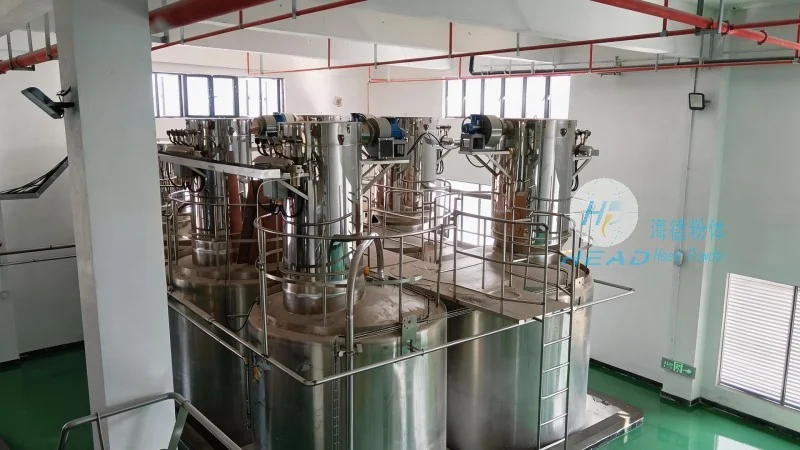
The core components of a copper oxide pneumatic conveying system typically include a hopper for material storage, a feeder to control the flow rate, a conveying line (often equipped with bends and valves), and a receiver for the material's final destination. The system may also incorporate a blower or compressor to generate the necessary air pressure and flow. The design of these components is crucial to ensure the system operates efficiently and reliably, minimizing material degradation and energy consumption.
One of the key design principles is the selection of appropriate air velocity and pressure. The air velocity must be high enough to overcome the gravitational force and friction within the pipeline, but not so high as to cause excessive wear on the equipment or degrade the copper oxide particles. The pressure levels are carefully calculated to maintain a consistent flow rate and prevent blockages or clogging in the system. Additionally, the material's physical properties, such as particle size, density, and moisture content, are considered during the design process to optimize the system's performance.
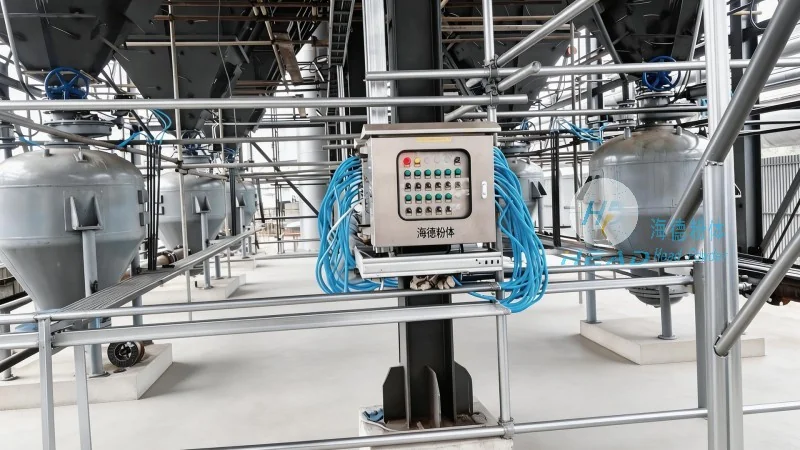
Another important aspect is the system's layout and configuration. The conveying line's length, diameter, and number of bends can significantly impact the system's efficiency. A well-designed layout minimizes the number of bends and the overall length of the pipeline, reducing pressure losses and energy requirements. The use of appropriate materials for the conveying line, such as stainless steel or special coatings, is also essential to prevent corrosion and ensure the longevity of the system.
The control system plays a vital role in the operation of a copper oxide pneumatic conveying system. It monitors and adjusts the air pressure, flow rate, and material feed rate to maintain a stable and consistent operation. Modern systems often incorporate sensors and automation to detect blockages, adjust the system parameters in real-time, and provide alerts for maintenance or operational issues. This ensures the system operates safely and efficiently, minimizing downtime and maximizing productivity.
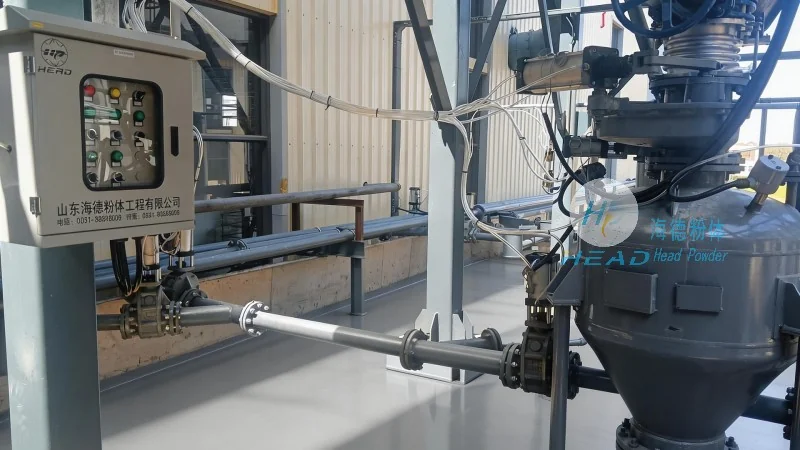
In terms of safety and maintenance, the design of the copper oxide pneumatic conveying system includes features to prevent dust explosions and material contamination. Proper ventilation and explosion-proof components are integrated into the system to ensure compliance with safety regulations. Regular maintenance, including cleaning of the conveying line and replacement of worn parts, is essential to maintain the system's performance and extend its service life.
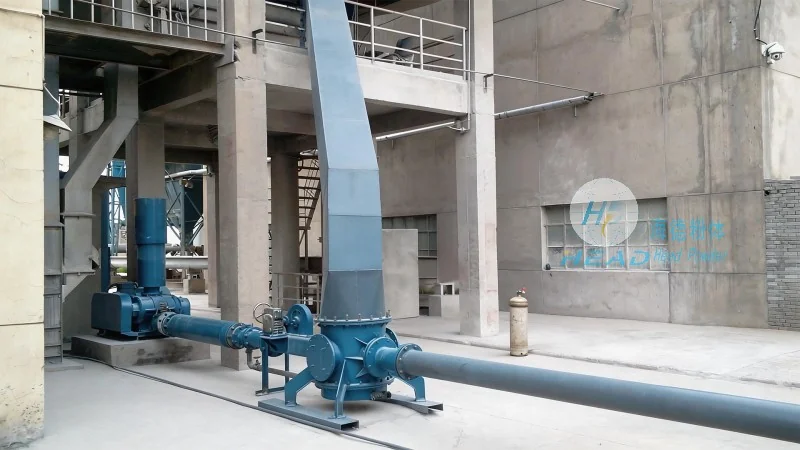
The copper oxide pneumatic conveying system equipment is manufactured by Shandong HeadPowder Engineering Co., Ltd., a company based in China. HeadPowder specializes in the design and production of high-quality pneumatic conveying systems tailored to the specific needs of various industries. The company's products are known for their reliability, efficiency, and adherence to industry standards, making them a trusted choice for businesses handling copper oxide and other similar materials.
Overall, a copper oxide pneumatic conveying system is a sophisticated piece of equipment that combines engineering principles with practical application to ensure the safe and efficient transport of copper oxide. The design principles, component selection, and system configuration all work together to optimize performance, reduce operational costs, and enhance productivity in industrial settings.