

What is a Slag Powder Pneumatic Conveying System? And What Are Its Design Principles?
Slag powder pneumatic conveying systems are essential industrial equipment used for transporting fine powders, such as slag, through a pipeline using air pressure. These systems are widely employed in various industries, including cement, steel, and construction, due to their efficiency and ability to handle abrasive materials. The core of these systems lies in the design principles that ensure reliable and safe material transport.
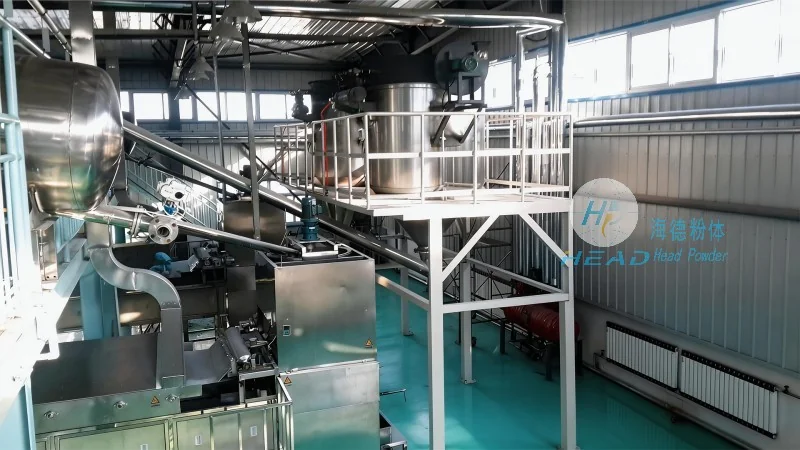
About HeadPowder Engineering Co., Ltd.
HeadPowder, a leading provider of engineering solutions, specializes in the design, manufacturing, and installation of pneumatic conveying systems. With a strong presence in Shandong, China, the company has built a reputation for delivering high-quality equipment tailored to the specific needs of clients. The company's commitment to innovation and customer satisfaction has made it a trusted partner in the industry.
Design Principles of Slag Powder Pneumatic Conveying Systems
The design of a slag powder pneumatic conveying system involves several key principles to ensure optimal performance. The first principle is the selection of the appropriate air velocity, which must be sufficient to overcome the gravitational force and frictional resistance of the powder particles. This velocity is typically determined based on the particle size, density, and flowability of the slag powder. Another critical principle is the use of appropriate pipeline dimensions and materials, as these affect the pressure drop and the ability to handle abrasive materials. The system also incorporates components like feeders, cyclones, and filters to manage the flow and separation of the powder from the air.
Key Components and Their Functions
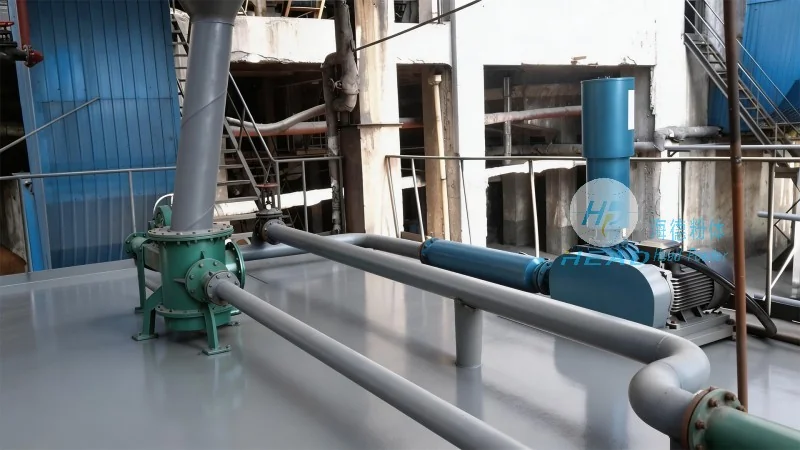
A typical slag powder pneumatic conveying system consists of several key components, each playing a vital role in the overall operation. The feeder is responsible for feeding the slag powder into the system at a controlled rate, ensuring a consistent flow. The pipeline carries the powder and air mixture from the feeder to the discharge point. Cyclones are used for separating the powder from the air, allowing the powder to be collected and the air to be recirculated or discharged. Filters are also employed to remove any fine particles from the air, ensuring compliance with environmental regulations. The system may also include pressure vessels, control valves, and sensors to monitor and regulate the operation.
Applications in Industrial Settings
Slag powder pneumatic conveying systems are widely used in industrial applications where the transport of fine powders is required. In the cement industry, these systems are used to transport slag powder from storage silos to the cement production line. In the steel industry, they are used to handle slag from steelmaking processes, which is then used as a raw material in cement production. The construction industry also benefits from these systems, as they are used to transport slag powder for concrete production. The ability to handle abrasive and high-volume materials makes these systems ideal for these applications.
Advantages of Using Pneumatic Conveying Systems for Slag Powder
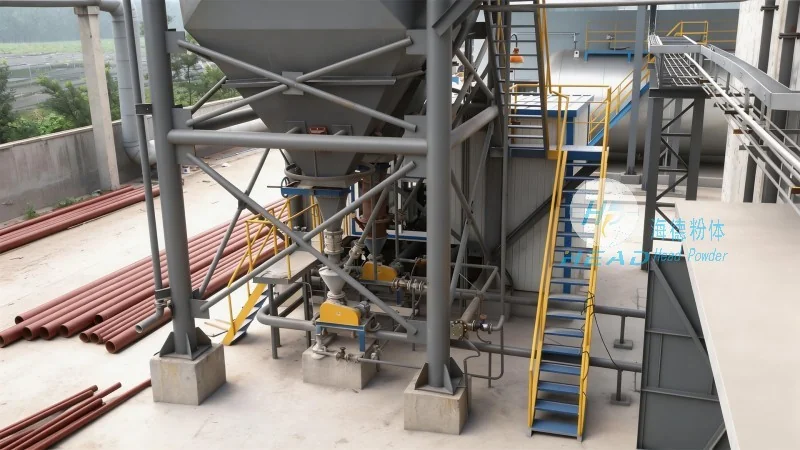
Compared to traditional methods like belt conveyors or bucket elevators, pneumatic conveying systems offer several advantages. One of the main advantages is the ability to handle fine and abrasive materials without causing wear and tear on the equipment. The system is also more flexible, as it can be easily reconfigured to accommodate changes in the production process. Additionally, pneumatic conveying systems are more energy-efficient, as they use less power to transport the same amount of material compared to other methods. The system also reduces the risk of dust pollution, as the powder is contained within the pipeline, preventing it from being released into the environment.
Maintenance and Operational Considerations
Proper maintenance and operational considerations are crucial for the longevity and efficiency of a slag powder pneumatic conveying system. Regular inspection of the pipeline and components is necessary to detect any signs of wear or damage. The system should also be cleaned regularly to prevent the buildup of powder on the walls, which can affect the flow and pressure drop. The air filter and cyclone should be checked and replaced as needed to ensure proper separation of the powder from the air. Proper training of operators is also essential to ensure safe and efficient operation of the system.