

Loess Gas-Solid Pneumatic Conveying Equipment: Structure and Principle of Powder Handling Systems
Understanding the structure and operational principles of loess gas-solid pneumatic conveying equipment is crucial for industries dealing with fine powders, such as construction materials, mining, and chemical processing. This article provides an in-depth overview of the components, mechanisms, and functional aspects of these systems, tailored for professionals seeking to enhance their knowledge of powder handling technologies.
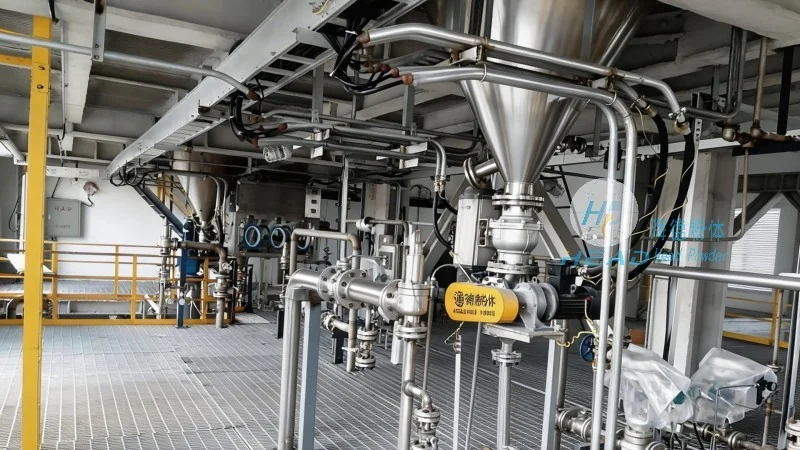
Introduction to Loess Gas-Solid Pneumatic Conveying Systems
Loess, a type of fine silt soil, poses unique challenges in material handling due to its high moisture content and cohesive properties. Traditional mechanical conveyors often struggle with blockages and material degradation, making pneumatic conveying an ideal solution. The core of a loess gas-solid conveying system is the ability to transport dry or slightly moist powders through a pipeline using compressed air or other gas streams. This method ensures minimal product contamination, reduced dust emissions, and efficient material transfer over long distances.
Key Components of the Pneumatic Conveying System
The loess pneumatic conveying equipment typically consists of several critical components that work in concert to achieve effective material transport. These include the material feed hopper, which stores and regulates the flow of loess; the air supply system, which generates the necessary pressure and flow rates; the conveying pipeline, which transports the material and air mixture; and the discharge unit, which delivers the material to the target location. Each component plays a vital role in maintaining system efficiency and preventing operational issues.
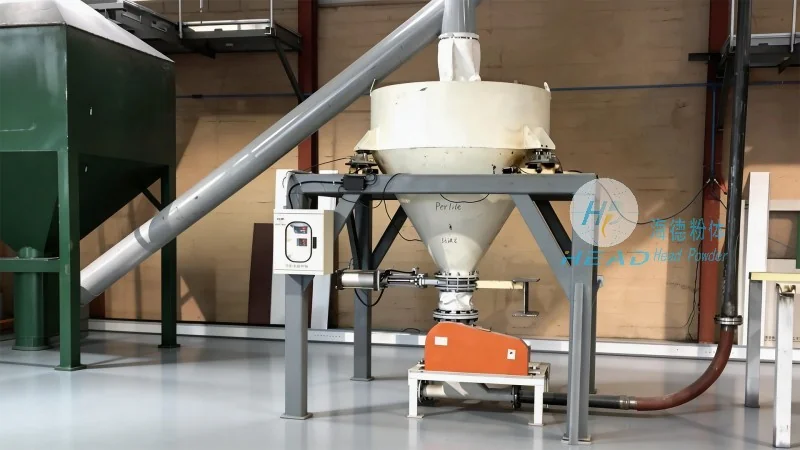
Working Principle of the Pneumatic Conveying Process
The operation of a loess gas-solid pneumatic conveying system involves several stages. Initially, the loess is fed from the hopper into the pipeline, where it is mixed with the compressed air. The air stream creates a low-pressure zone within the pipeline, which draws the material particles along with it. As the mixture travels through the pipeline, the air velocity is carefully controlled to prevent particle segregation or deposition. At the discharge end, the air is separated from the material, often using a cyclone separator or a filter, and the loess is collected in a receiving bin. The air is then recycled back to the system or vented to the atmosphere, depending on the system design.
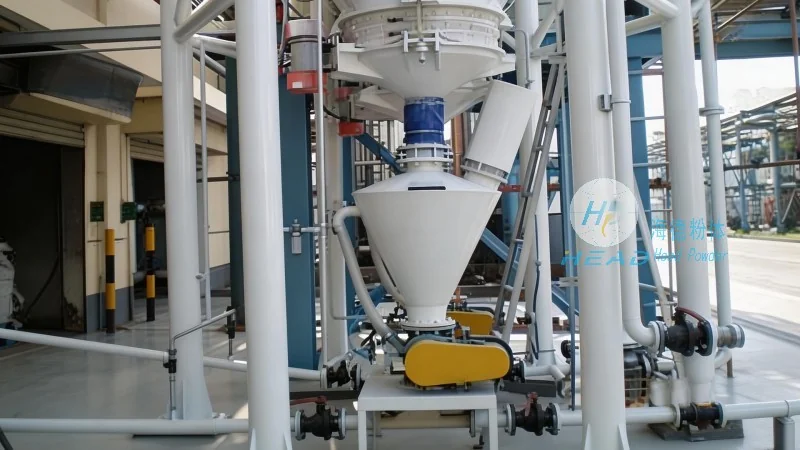
Advantages of Using Pneumatic Conveying for Loess Handling
Compared to other material handling methods, pneumatic conveying offers several advantages when dealing with loess. These include the ability to handle fine powders without causing dust explosions, the reduction of material degradation due to minimal contact with equipment surfaces, and the flexibility to transport materials over long distances or through complex layouts. Additionally, the system can be easily integrated with other processing equipment, such as mixers or classifiers, to form a complete production line.
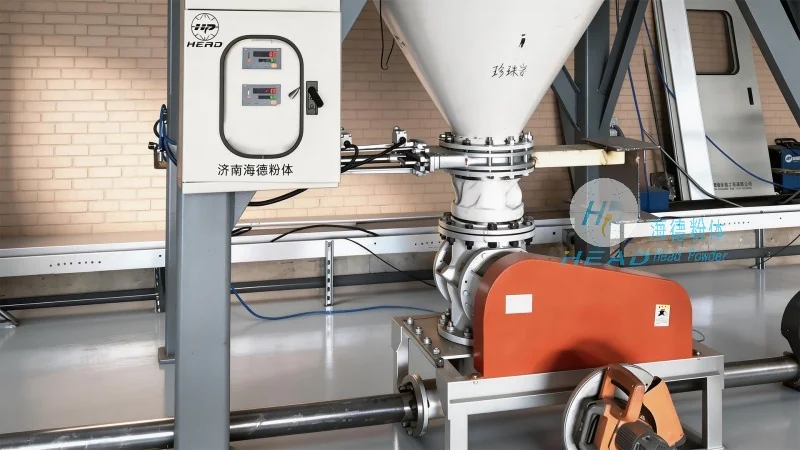
About Shandong HeadPowder Engineering Co., Ltd.
Shandong HeadPowder Engineering Co., Ltd., operating under the brand name headpowder, is a leading manufacturer of specialized powder handling equipment. With a focus on innovation and quality, the company has developed advanced loess gas-solid pneumatic conveying systems tailored to meet the diverse needs of the construction, mining, and chemical industries. HeadPowder's expertise lies in designing equipment that ensures efficient, safe, and reliable material transport, contributing to improved productivity and reduced operational costs for its clients.
Conclusion
In summary, loess gas-solid pneumatic conveying equipment represents a sophisticated solution for handling fine powders like loess. By understanding the structural components and operational principles, industries can optimize their material handling processes, enhance safety, and improve overall efficiency. With the support of companies like Shandong HeadPowder Engineering Co., Ltd., advanced pneumatic conveying systems are now more accessible, enabling businesses to achieve higher levels of performance in their operations.