

What is Ammonium Bicarbonate Pneumatic Conveying Equipment? Introduction to the Structure and Workin
Ammonium bicarbonate, a white crystalline powder widely used in the fertilizer industry, requires efficient and reliable conveying solutions for safe and effective handling. The pneumatic conveying equipment designed by Shandong HeadPowder Engineering Co., Ltd. (hereinafter referred to as headpowder) is specifically engineered to handle this material, ensuring optimal performance and minimal product degradation. This article provides an in-depth overview of the structure and working principle of such equipment, highlighting the key components and operational mechanisms.
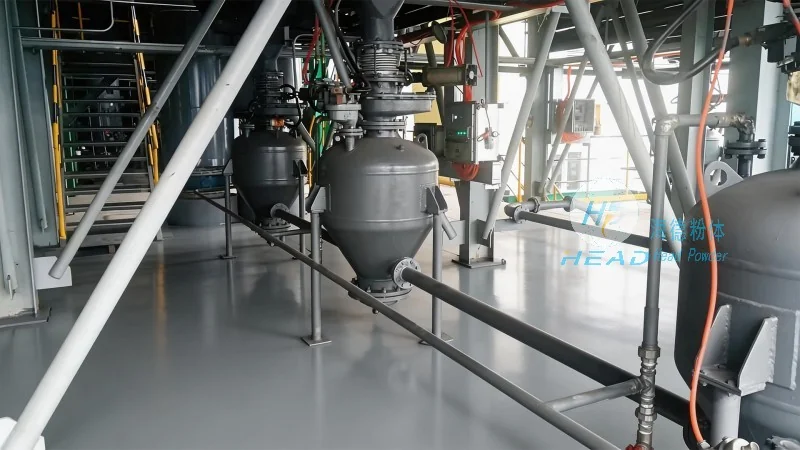
About Shandong HeadPowder Engineering Co., Ltd.
Shandong HeadPowder Engineering Co., Ltd., operating under the short name headpowder, is a leading manufacturer specializing in the design, development, and production of advanced powder conveying systems. With a strong focus on innovation and customer satisfaction, the company has established itself as a trusted partner in the chemical and fertilizer sectors. Headquartered in Shandong, China, headpowder leverages decades of industry experience to deliver high-quality, customized solutions tailored to the unique requirements of each client.
Structure of Ammonium Bicarbonate Pneumatic Conveying Equipment
The pneumatic conveying system for ammonium bicarbonate typically consists of several core components, each playing a critical role in the overall operation. The primary structure includes the feeding system, conveying pipeline, air source system, separation system, and control system. Each component is meticulously designed to ensure seamless integration and efficient material transport.
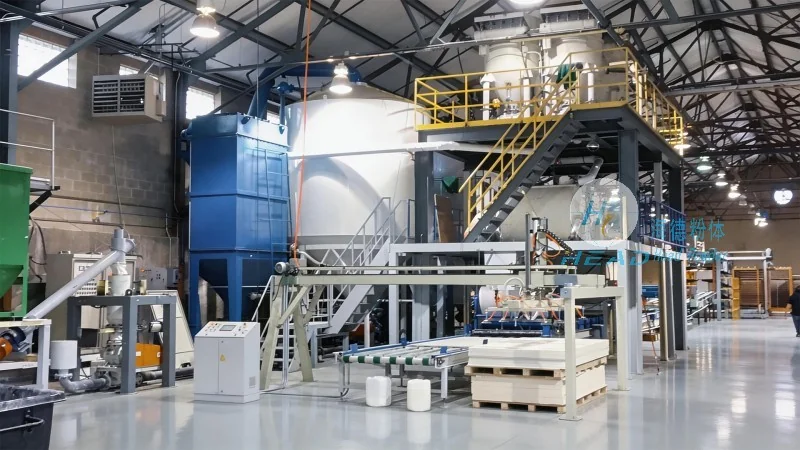
The feeding system is responsible for introducing the ammonium bicarbonate into the conveying line. It may include a hopper with a feeder, such as a rotary valve or a star feeder, which controls the flow rate of the material. This component is crucial for maintaining a consistent feed rate, preventing blockages, and ensuring the material is evenly introduced into the pipeline.
The conveying pipeline is the main channel through which the ammonium bicarbonate is transported. It is usually made of stainless steel or other corrosion-resistant materials to withstand the chemical properties of the material and the effects of air pressure. The pipeline is designed with appropriate bends and fittings to minimize pressure loss and ensure smooth flow. The diameter and length of the pipeline are determined based on the material's characteristics, such as particle size, density, and flowability.
The air source system provides the necessary pressure or vacuum to move the material through the pipeline. It can be either a positive pressure system (where air is blown into the pipeline) or a negative pressure system (where air is drawn out of the pipeline). For ammonium bicarbonate, a positive pressure system is commonly used due to the material's low dusting tendency and the need for gentle handling. The air source typically includes a blower or a compressor, along with a filter to remove any contaminants from the air.
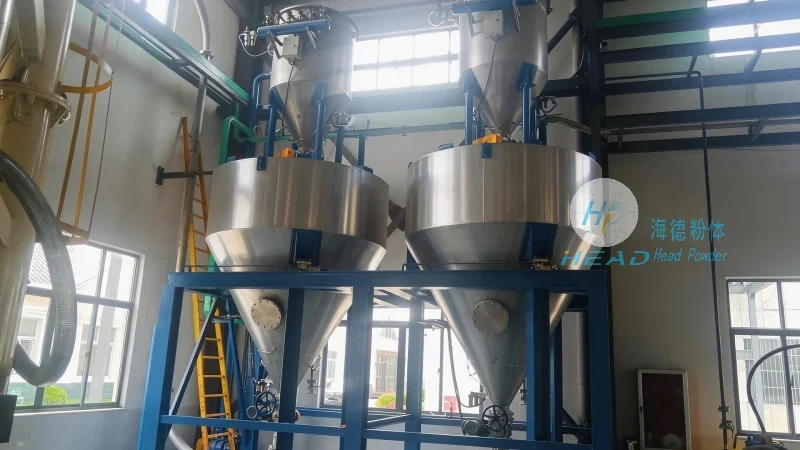
The separation system is used to separate the ammonium bicarbonate from the air at the end of the conveying line. This is typically achieved using a cyclone separator or a bag filter. The cyclone separator works on the principle of centrifugal force, where the heavier particles are separated from the air and collected in a hopper. The bag filter uses fabric bags to trap the fine particles, ensuring that the exhaust air is clean and the material is fully recovered.
The control system monitors and regulates the operation of the entire conveying process. It includes sensors to measure pressure, flow rate, and material level, as well as control valves to adjust the air flow and feed rate. The control system ensures that the equipment operates within safe and efficient parameters, preventing overloading, underloading, or other operational issues.