

[LITHIUM HYDROXIDE PNEUMATIC CONVEYING EQUIPMENT: AN OVERVIEW OF ITS STRUCTURE AND WORKING PRINCIPLE
Understanding the design and operational mechanics of lithium hydroxide pneumatic conveying equipment is crucial for industries dealing with this critical chemical. This equipment, a specialized form of powder handling technology, is engineered to safely and efficiently transport lithium hydroxide, a key component in various industrial applications. The following sections delve into the structural components and the underlying principles that enable the effective operation of such systems.
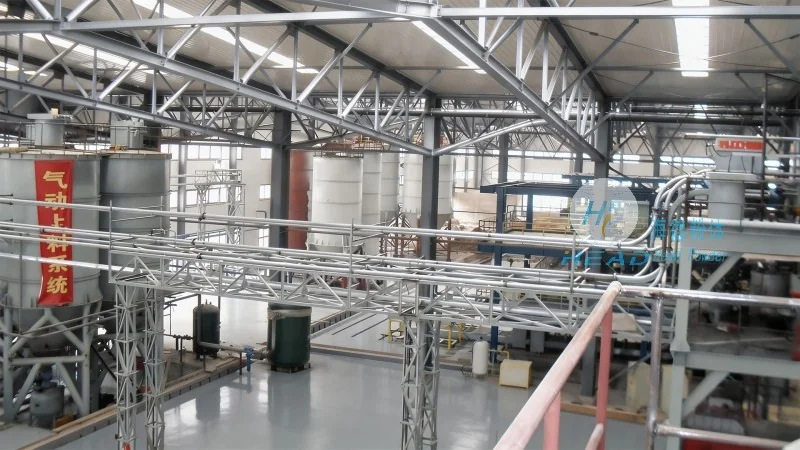
Key Structural Components of Lithium Hydroxide Pneumatic Conveying Systems
The lithium hydroxide pneumatic conveying system typically consists of several core components that work in concert to achieve reliable material transport. These include the hopper or feed hopper, which serves as the initial storage and feeding unit for the lithium hydroxide powder. The hopper is designed with a controlled discharge mechanism, often using a rotary valve or a gate valve, to regulate the flow of material into the conveying line. This ensures a consistent and controlled feed rate, which is essential for maintaining the system's efficiency and preventing blockages or overloading.
Next in the system is the conveying line itself, which can be either a positive pressure or negative pressure system. Positive pressure systems use a blower or a fan to generate air pressure that pushes the material through the pipeline. Negative pressure systems, on the other hand, use a vacuum pump to create a suction effect that draws the material from the source. For lithium hydroxide, which is a fine powder with potential dust hazards, the choice of system type depends on factors such as the material's properties, the distance to be conveyed, and the required safety measures. The conveying line is usually made of materials resistant to corrosion and chemical reactions, such as stainless steel or specialized plastics, to ensure durability and maintain the purity of the lithium hydroxide.
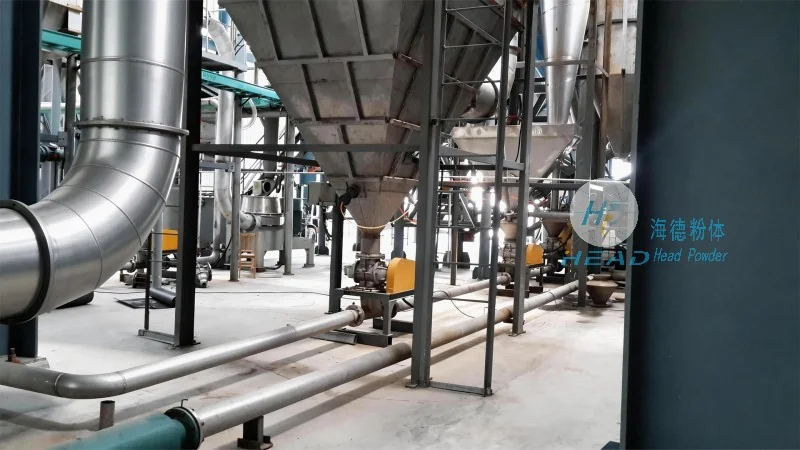
At the receiving end of the system, there is a receiver or a silo where the transported lithium hydroxide is deposited. This component is equipped with a discharge valve, similar to the feed hopper, to control the release of the material into the next processing stage. Some systems also include a dust collection or filtration system to capture any fine particles that may escape during the conveying process, ensuring compliance with environmental regulations and maintaining a clean working environment. The entire system is typically connected through a network of pipes or hoses, with appropriate fittings and elbows to direct the material flow and accommodate changes in direction or elevation.
The Working Principle of Lithium Hydroxide Pneumatic Conveying
The operation of a lithium hydroxide pneumatic conveying system is based on the principles of fluid dynamics and particle movement. In a positive pressure system, the blower introduces compressed air into the conveying line, creating a high-pressure environment that propels the lithium hydroxide particles forward. The particles are suspended in the air stream, and their movement is governed by the velocity of the air and the particle size and density. The air velocity must be sufficient to overcome the gravitational force acting on the particles and to maintain their suspension, preventing settling or clogging in the pipeline.
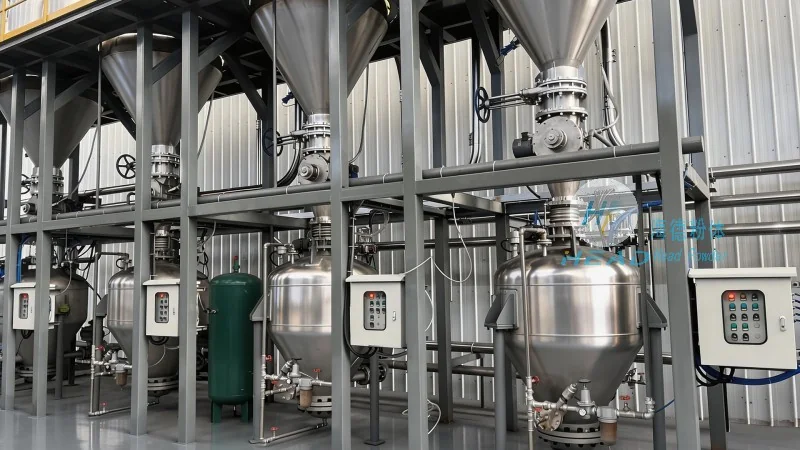
In a negative pressure system, the vacuum pump creates a low-pressure zone at the receiving end, which draws the lithium hydroxide particles from the feed hopper into the conveying line. The particles are then carried by the air flow towards the receiver, where the pressure difference causes them to be deposited. The air flow in this system is typically lower than in positive pressure systems, which can be advantageous for handling more delicate or sensitive materials like lithium hydroxide, as it reduces the risk of particle breakage or degradation.
The efficiency of the conveying process is influenced by several factors, including the air velocity, the particle size distribution, the moisture content of the lithium hydroxide, and the system's pressure differential. Proper design and maintenance of the equipment are essential to ensure optimal performance. For example, the hopper design must prevent material bridging or segregation, which can lead to uneven feeding and reduced conveying efficiency. The conveying line must be free of obstructions and have a smooth interior to minimize friction and energy loss. Regular cleaning and inspection of the system components, such as the filters and valves, are also necessary to maintain the quality of the conveyed material and the longevity of the equipment.
Applications and Benefits of Lithium Hydroxide Pneumatic Conveying Equipment
Lithium hydroxide pneumatic conveying equipment is widely used in industries that rely on lithium hydroxide as a raw material or intermediate product. These applications include the production of lithium-based batteries, where lithium hydroxide is used in the synthesis of lithium carbonate or lithium hydroxide itself. The equipment is also utilized in the chemical industry for the handling of other fine powders, where the same principles of pneumatic conveying apply. The primary benefits of using such equipment include improved safety, as it eliminates the need for manual handling of hazardous powders, and increased efficiency, as it allows for continuous and automated material transport.
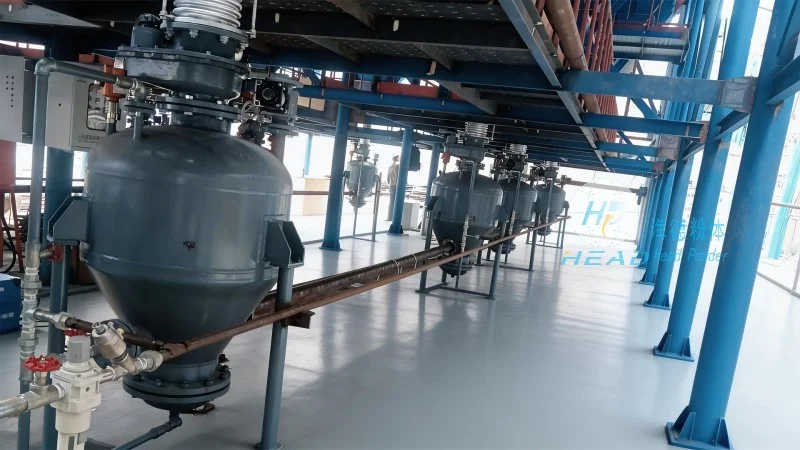
Another key advantage is the ability to handle lithium hydroxide in a closed system, which minimizes dust exposure and reduces the risk of environmental contamination. This is particularly important for lithium hydroxide, which can be a respiratory irritant if inhaled in large quantities. The closed system design also helps maintain the purity of the material, as it prevents contamination from external sources. Additionally, the equipment can be integrated with other processing equipment, such as mixers or reactors, to create a seamless production line, enhancing overall operational efficiency.
Shandong HeadPowder Engineering Co., Ltd., a leading manufacturer of powder handling equipment based in China, specializes in the design and production of lithium hydroxide pneumatic conveying systems. With years of experience in the industry, the company has developed advanced solutions tailored to the specific needs of lithium hydroxide handling. Their equipment is engineered to meet the highest standards of safety, efficiency, and reliability, ensuring that clients can operate their production lines with confidence. The company's commitment to quality and innovation has made it a trusted partner for businesses in the lithium and chemical industries, providing them with the tools they need to achieve their production goals.