

Choosing Between Positive Pressure and Negative Pressure for Synthetic Fiber Conveying: How to Disti
When it comes to transporting synthetic fibers, selecting the right conveying method is crucial for efficiency and system performance. Two primary options are positive pressure conveying and negative pressure conveying. Understanding the differences between these two systems is essential for making an informed decision. This article will explore the key aspects of each method, helping you determine which approach is best suited for your synthetic fiber handling needs.
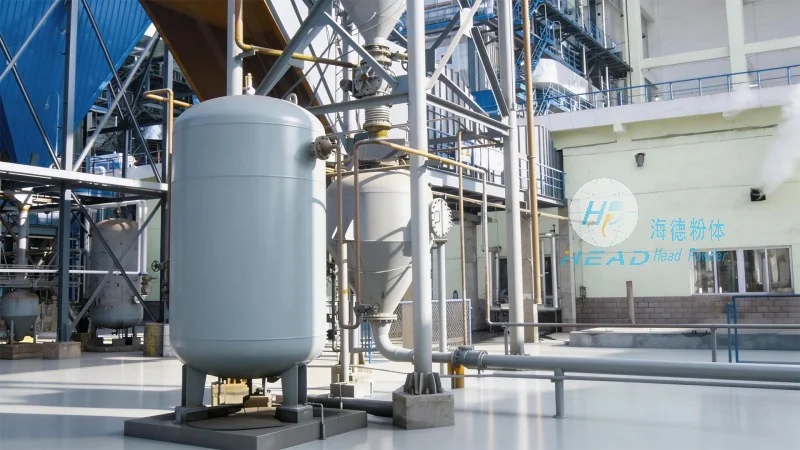
Understanding Positive Pressure Conveying
Positive pressure conveying systems operate by blowing air or gas into the material stream to move the synthetic fibers. This method involves a blower or compressor that generates pressure, forcing the material through the conveying line. The primary advantage of positive pressure systems is their ability to handle a wide range of materials, including those that are dusty or have high moisture content. They are also effective in transporting materials over long distances and through complex system layouts. However, these systems may require more maintenance due to the higher wear and tear on components like blowers and filters.
Key Features of Positive Pressure Conveying
Positive pressure conveying systems typically include a blower, a hopper or feeder, and a series of pipes or ducts. The material is drawn from the source and then propelled forward by the pressurized air. This method is particularly useful for applications where the material needs to be transported from a lower to a higher elevation or over significant horizontal distances. The pressure ensures that the material remains in suspension and moves smoothly through the system, reducing the risk of blockages or clogging.
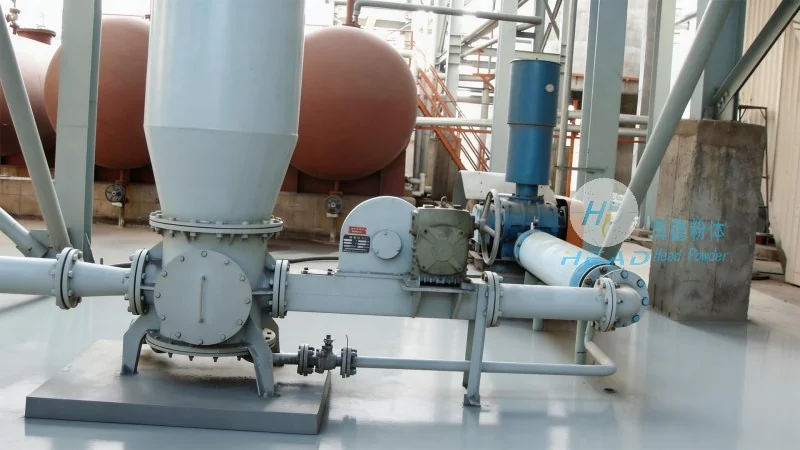
Understanding Negative Pressure Conveying
Negative pressure conveying, also known as suction or vacuum conveying, operates by creating a vacuum in the system to draw the synthetic fibers into the conveying line. This method uses a vacuum pump to create a lower pressure environment, which pulls the material from the source into the system. Negative pressure systems are often more energy-efficient compared to positive pressure systems, as they do not require high-pressure blowers. They are also better suited for handling fine or light materials that might be easily disturbed by high-pressure air.
Key Features of Negative Pressure Conveying
Negative pressure systems consist of a vacuum pump, a hopper or feeder, and a collection or discharge point. The material is drawn into the system due to the pressure differential, and then transported to the desired location. These systems are ideal for applications where the material needs to be collected from multiple points or where the material is light and may be easily blown away by external factors. The vacuum helps to maintain a consistent flow rate and prevents the material from being dispersed into the environment.
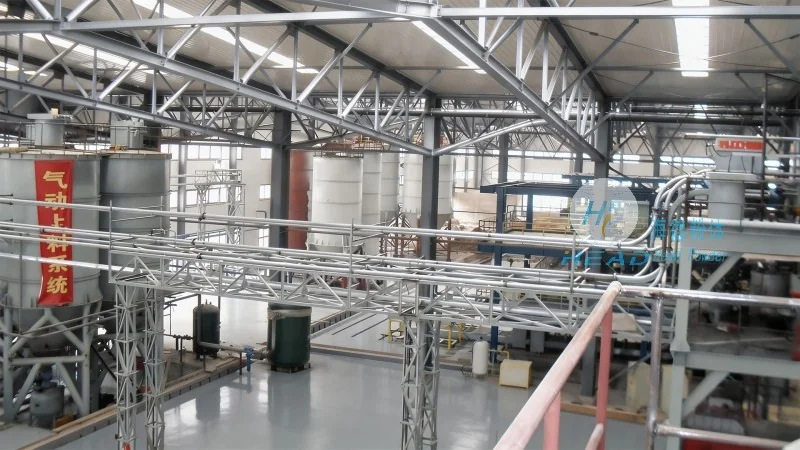
Distinguishing Between the Two Methods
When deciding between positive and negative pressure conveying for synthetic fibers, several factors should be considered. The first is the material properties: if the fibers are dusty or have high moisture content, a positive pressure system may be more effective due to its ability to handle these characteristics. Conversely, if the material is fine and light, a negative pressure system may be preferable to avoid disturbing the material or causing it to become airborne. The second factor is the system layout and distance: for long-distance or complex layouts, positive pressure systems may be more suitable due to their ability to maintain pressure over longer distances. However, for shorter distances or where energy efficiency is a priority, negative pressure systems can be a good choice.
Conclusion
Choosing between positive pressure and negative pressure conveying for synthetic fibers depends on a variety of factors, including material properties, system layout, and operational requirements. Positive pressure systems offer robust performance for handling challenging materials and long distances, while negative pressure systems provide energy efficiency and suitability for fine or light materials. By understanding the key differences and considering your specific needs, you can select the most appropriate conveying method for your application. Whether you opt for positive or negative pressure, the goal is to ensure efficient, reliable, and safe transportation of synthetic fibers.