When designing air-driven conveying systems for synthetic fibers, several critical factors must be considered to ensure efficient, reliable, and cost-effective operation. Synthetic fibers, such as polyester, nylon, and acrylic, present unique challenges due to their lightweight, abrasive, and sometimes hygroscopic nature. Proper system design is essential to mitigate issues like fiber breakage, blockage, and energy inefficiency. This article outlines key design considerations for such systems, with a focus on practical solutions that enhance performance and longevity.
System Selection and Fiber Characteristics
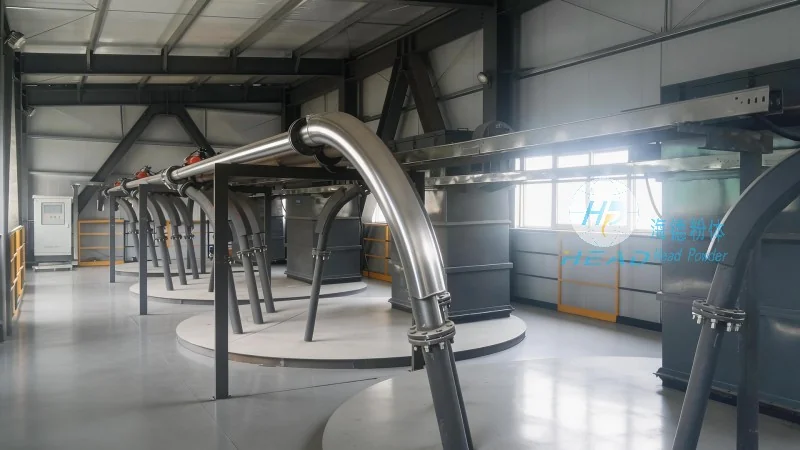
The first step in designing an air-driven conveying system for synthetic fibers is to evaluate the specific properties of the fibers being handled. Synthetic fibers vary widely in terms of length, diameter, density, and moisture content. For example, short-cut polyester fibers may require higher air velocities to prevent settling, while longer nylon fibers might need lower velocities to avoid excessive wear on system components. Understanding these characteristics is crucial for selecting the appropriate conveying method—whether it's a positive pressure system, negative pressure system, or a combination of both. The choice of system directly impacts the system's efficiency, energy consumption, and overall reliability.
Pressure Control and Airflow Management
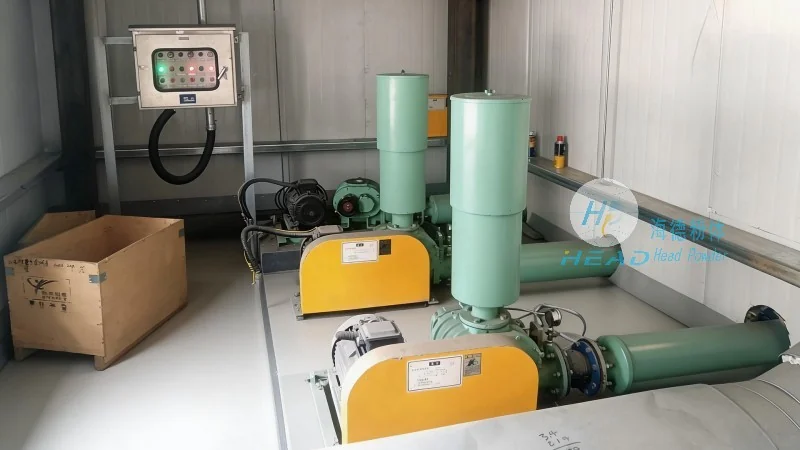
Effective pressure control is a cornerstone of successful synthetic fiber air-driven conveying. The system must maintain consistent air pressure and flow rates to ensure uniform fiber transport. In positive pressure systems, the air is forced through the conveying line, while in negative pressure systems, air is drawn from the system. For synthetic fibers, positive pressure is often preferred as it reduces the risk of fiber degradation and blockage. However, the pressure levels must be carefully calibrated to match the fiber's properties. Excessive pressure can cause fiber breakage or damage to equipment, while insufficient pressure may lead to uneven flow or system downtime. Advanced control systems, such as variable frequency drives (VFDs) and pressure sensors, help maintain optimal airflow by adjusting the air volume in real-time, improving system responsiveness and energy efficiency.
Equipment Selection and Component Durability
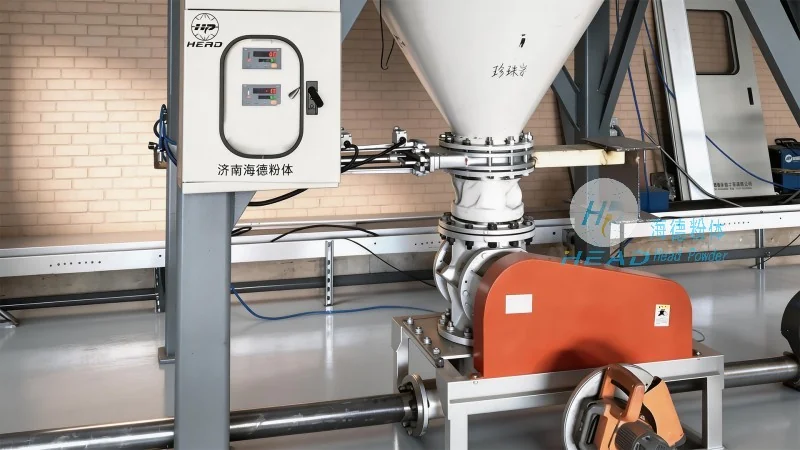
The selection of equipment components is critical to the longevity and performance of the air-driven conveying system. Synthetic fibers are abrasive and can cause wear on metal surfaces, seals, and bearings. Therefore, components such as hoses, ducts, and fittings should be made from materials that resist abrasion and corrosion, such as stainless steel or high-grade plastics. The use of flexible, reinforced hoses is recommended to accommodate vibrations and prevent kinks, which can disrupt airflow and cause blockages. Additionally, the system should include filters and cyclones to remove dust and debris, protecting downstream equipment from contamination. Regular maintenance of these components is essential to prevent premature failure and ensure consistent performance.
Integration with Downstream Processes
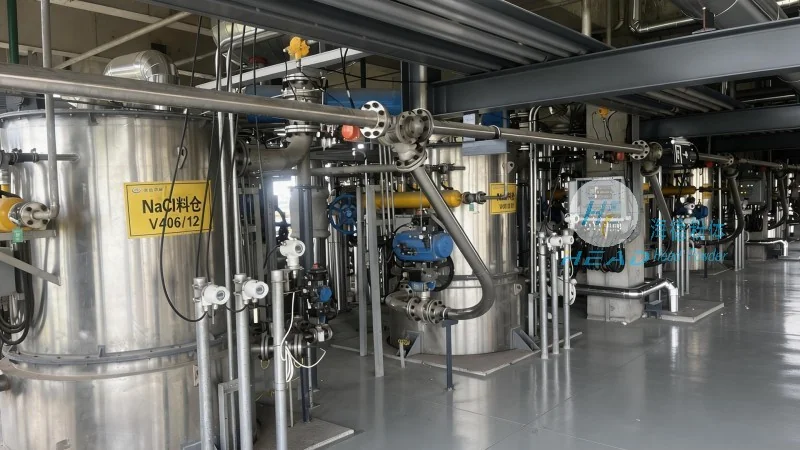
An air-driven conveying system for synthetic fibers is often part of a larger production line, such as a textile or fiber processing facility. The design must consider how the system integrates with downstream processes, such as blending, drying, or packaging. For instance, the conveying system may need to feed a mixer or a dryer, requiring precise control over the fiber flow rate and temperature. The system should be designed to maintain consistent fiber quality and moisture content, as these factors directly impact the final product's properties. Proper integration ensures that the conveying system operates in harmony with the rest of the production line, minimizing downtime and maximizing overall efficiency.
Energy Efficiency and Environmental Considerations
Designing an energy-efficient air-driven conveying system is increasingly important for businesses seeking to reduce operational costs and environmental impact. Synthetic fiber systems often consume significant amounts of energy, particularly in large-scale operations. To improve efficiency, designers can incorporate features such as energy recovery systems, which capture and reuse exhaust air, and variable speed drives, which adjust air flow based on demand. Additionally, using high-efficiency fans and motors can reduce energy consumption by up to 30% compared to traditional systems. Environmental considerations also include minimizing dust emissions and ensuring compliance with local regulations. Proper filtration and enclosure systems can help contain dust and reduce air pollution, contributing to a safer and more sustainable operation.
Maintenance and Troubleshooting
Regular maintenance is essential to keep an air-driven conveying system for synthetic fibers operating at peak performance. A well-designed system should include easy-to-access components and clear maintenance schedules. Routine checks should include inspecting hoses and ducts for wear or damage, cleaning filters and cyclones, and verifying pressure and airflow readings. Troubleshooting procedures should be documented to quickly identify and resolve common issues, such as blockages or pressure drops. By implementing a proactive maintenance plan, businesses can extend the life of their equipment, reduce downtime, and maintain consistent fiber quality. This approach also aligns with the commitment of companies like Shandong HeadPowder Engineering Co., Ltd. to provide reliable and durable conveying solutions for synthetic fibers.




