

Design Considerations for Cement Raw Material Pneumatic Conveying Systems
Shandong HeadPowder Engineering Co., Ltd., a leading provider in the field of cement raw material handling solutions, specializes in the design and implementation of efficient pneumatic conveying systems. With a focus on optimizing material transport processes, the company's expertise ensures that cement raw materials are handled safely and effectively from source to processing facilities. This article outlines key design considerations for such systems, emphasizing the importance of tailored solutions that meet specific operational requirements.
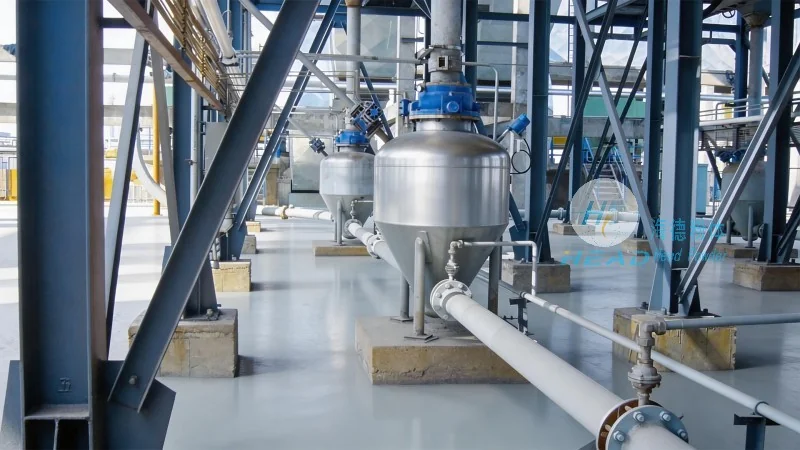
System Selection and Material Characteristics
When designing a pneumatic conveying system for cement raw materials, the first critical step is to evaluate the material's physical properties. Cement raw materials, such as limestone, clay, and iron ore, vary in particle size, moisture content, and bulk density. These characteristics directly influence the choice of conveying method—whether it's a dilute-phase or dense-phase system. Dilute-phase systems use high air velocities to suspend particles in a gas stream, suitable for fine powders with low moisture content. Dense-phase systems, on the other hand, employ lower air velocities and higher pressure to move material in a slurry-like state, ideal for handling cohesive or abrasive materials. The selection of the appropriate system type is paramount to ensure reliable operation and minimize system wear.
Pipeline Design and Layout Optimization
The layout of the conveying pipeline is a key factor in system efficiency and longevity. Proper pipeline design minimizes pressure losses and reduces the risk of material buildup or blockages. Key considerations include the use of appropriate pipe diameters, which should be sized to accommodate the material's flow characteristics and prevent excessive velocity that could cause erosion. The pipeline should also be designed with gradual inclines or declines to facilitate material movement without creating bottlenecks. Additionally, the inclusion of expansion joints and flexible connectors is essential to accommodate thermal expansion and reduce stress on the system components. The layout should also consider the integration of the system with existing plant infrastructure, ensuring seamless material transfer from storage silos to processing equipment.
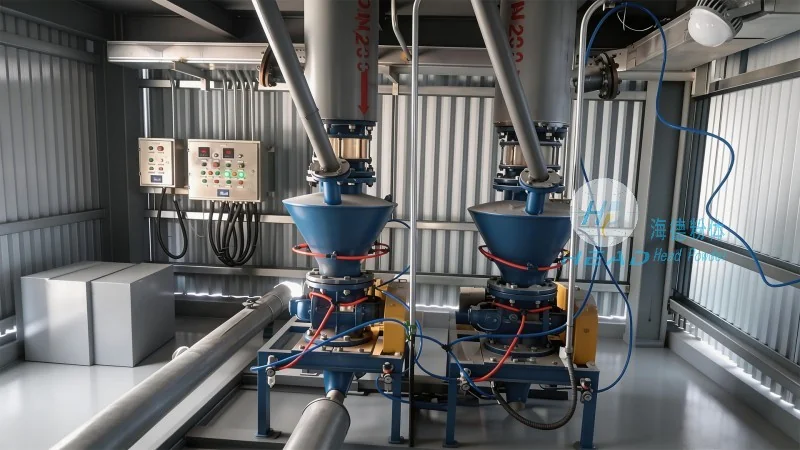
Air Source and Compressor Selection
The air source and compressor are central to the performance of a pneumatic conveying system. The choice of compressor type—such as rotary lobe, screw, or centrifugal—depends on the system's pressure requirements and flow rate. For high-pressure applications, rotary lobe compressors are commonly used due to their ability to deliver consistent pressure and volume. The compressor's capacity must be matched to the system's demand, accounting for pressure losses in the pipeline and the material's resistance to flow. Additionally, the air filtration system is critical to prevent dust accumulation and maintain system efficiency. High-quality filters are essential to remove particulate matter from the air stream, ensuring that the conveying system operates smoothly and reduces maintenance needs.
Material Handling and Conditioning
Pre-treatment of cement raw materials is often necessary to improve conveying performance. Conditioning equipment, such as mixers or agitators, can be used to adjust the moisture content and particle size distribution of the material. This step helps to prevent agglomeration and ensures that the material flows uniformly through the pipeline. Additionally, the use of pre-screening or de-dusting equipment can remove oversized particles or foreign objects that could damage the system components. Proper material conditioning not only enhances system efficiency but also extends the lifespan of the conveying equipment by reducing wear and tear.
Safety and Environmental Considerations
Safety is a top priority in the design of pneumatic conveying systems, especially when handling materials like cement raw materials which may be abrasive or dusty. The system should be equipped with safety features such as pressure relief valves, emergency shut-off valves, and dust collection systems. These features help to prevent accidents and protect personnel from exposure to dust or high-pressure air. Additionally, the system should comply with local environmental regulations to minimize emissions and ensure sustainable operation. The use of sealed containers and proper ventilation systems can help to control dust emissions and maintain a safe working environment.
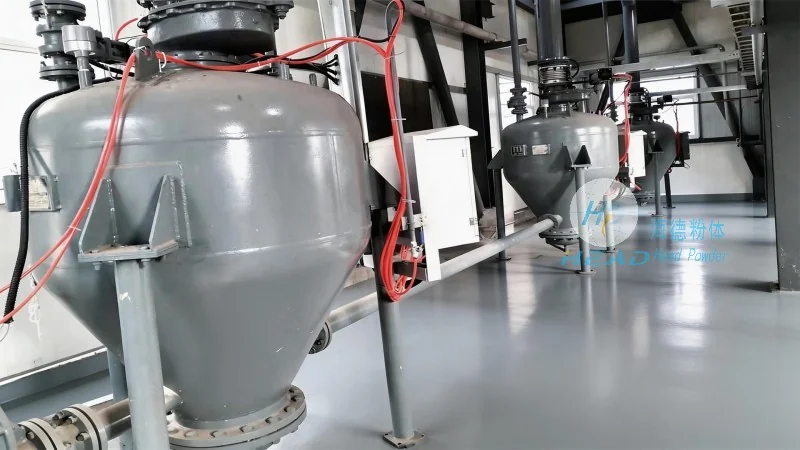
Maintenance and Operational Efficiency
Regular maintenance is crucial to ensure the long-term performance and reliability of a pneumatic conveying system. A well-designed maintenance plan should include routine inspections of key components, such as the compressor, filters, and pipeline, to identify and address potential issues before they become major problems. The use of high-quality materials and components is also essential to reduce the frequency of maintenance and extend the system's lifespan. Additionally, the implementation of monitoring systems, such as pressure sensors and flow meters, can help to optimize system operation and detect anomalies in real-time. By focusing on preventive maintenance and operational efficiency, the system can achieve consistent performance and minimize downtime.
Shandong HeadPowder Engineering Co., Ltd. provides comprehensive design, installation, and maintenance services for cement raw material pneumatic conveying systems. With a commitment to quality and customer satisfaction, the company ensures that each system is tailored to meet the specific needs of its clients, delivering reliable and efficient material handling solutions. The company's expertise in the field, combined with its focus on innovation and safety, makes it a trusted partner for businesses in the cement industry.