

Design Considerations for Flaky Graphite Pneumatic Conveying Systems
Shandong HeadPowder Engineering Co., Ltd., a leading manufacturer in the field of material handling solutions, specializes in the design and implementation of advanced pneumatic conveying systems for various industrial applications. With a focus on precision engineering and efficient material transport, the company has developed expertise in handling materials like flaky graphite, which presents unique challenges due to its physical properties and handling requirements.
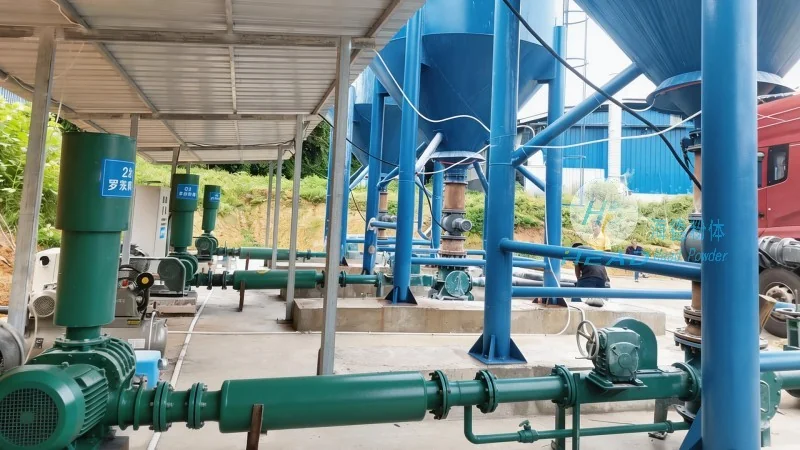
Key Design Considerations for Flaky Graphite Pneumatic Conveying Systems
When designing a pneumatic conveying system for flaky graphite, several critical factors must be considered to ensure optimal performance, efficiency, and longevity of the equipment. The first and most important consideration is the material's physical characteristics, particularly its density, particle size distribution, and shape. Flaky graphite typically consists of thin, plate-like particles that can easily agglomerate or cause blockages in conventional conveying systems. Therefore, the system design must incorporate features that prevent particle sticking and maintain a consistent flow.
Another crucial aspect is the selection of the appropriate conveying method. For flaky graphite, dilute phase pneumatic conveying is often preferred over dense phase systems due to the material's low bulk density and tendency to create high-pressure differentials. Dilute phase systems use lower air velocities and pressures, which are better suited for handling fine, friable materials like graphite. The choice of air velocity is critical; too high a velocity can cause particle attrition and equipment wear, while too low a velocity may lead to blockages or uneven material distribution.
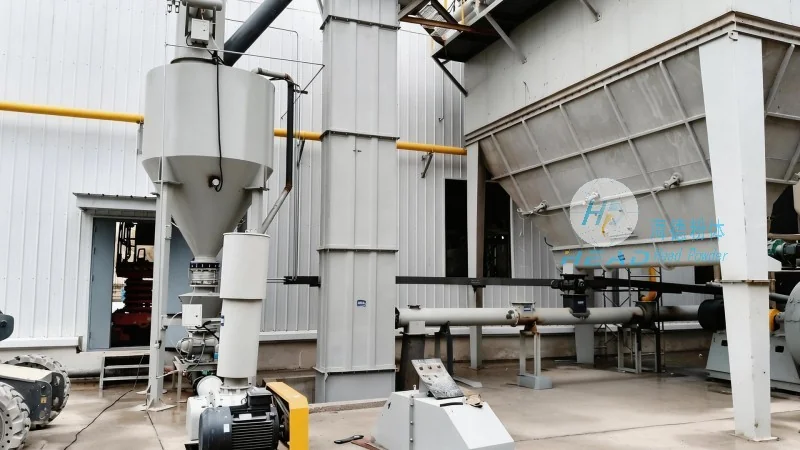
Material Handling and Equipment Selection
Equipment selection plays a pivotal role in the successful operation of a flaky graphite pneumatic conveying system. The system typically includes a hopper, feeder, air compressor, and conveying line. The hopper must be designed to prevent material bridging and ensure uniform feeding. For flaky graphite, a hopper with a conical or wedge-shaped bottom is often recommended to facilitate material flow. The feeder, such as a rotary valve or screw feeder, must be capable of handling fine, cohesive materials without causing excessive wear or clogging. The air compressor must provide a stable and consistent air flow, with sufficient pressure to overcome system resistance while minimizing energy consumption.
The conveying line itself is another critical component. For flaky graphite, flexible hoses or rigid pipes with smooth interiors are recommended to prevent particle abrasion and reduce the risk of blockages. The line diameter and length must be optimized to maintain the desired air velocity and pressure. Additionally, the inclusion of in-line filters and cyclones is essential to remove any fine particles that may escape the conveying process, ensuring that the material reaches its destination in a clean and usable state.
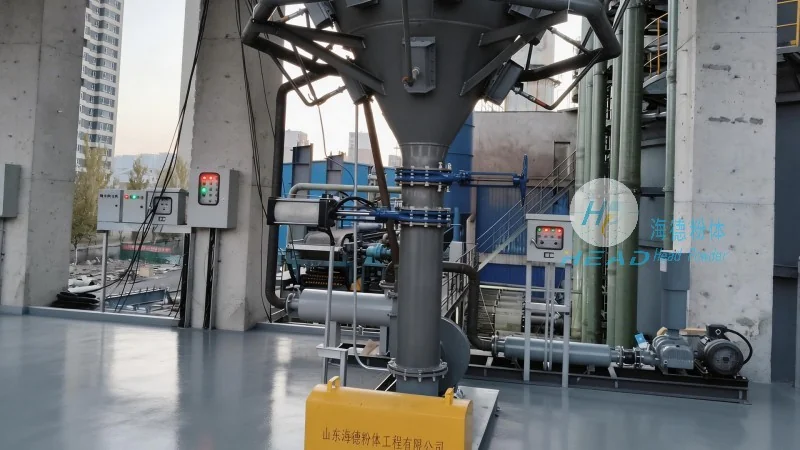
System Integration and Control
Effective system integration and control are vital for maintaining the efficiency and reliability of a flaky graphite pneumatic conveying system. The system should be equipped with sensors and control devices that monitor key parameters such as air pressure, flow rate, and material level. These sensors provide real-time data that allows operators to adjust system settings as needed, ensuring optimal performance under varying operating conditions. Automated control systems can also be implemented to regulate the feeder speed and air compressor output, further enhancing system efficiency and reducing the risk of overloading or underloading the system.
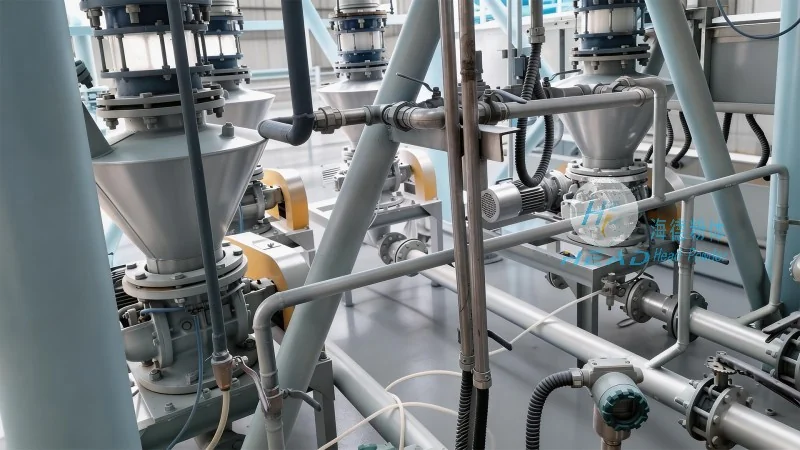
Proper maintenance and regular inspections are also essential to ensure the long-term performance of the system. Regular cleaning of the hopper, feeder, and conveying line, as well as replacement of worn components, can prevent system failures and extend the lifespan of the equipment. Additionally, training operators on the proper operation and maintenance of the system is crucial for maintaining its efficiency and reliability.
Conclusion
Designing a pneumatic conveying system for flaky graphite requires a comprehensive understanding of the material's properties and the specific requirements of the application. By considering factors such as material characteristics, conveying method, equipment selection, and system integration, engineers can develop a system that is efficient, reliable, and cost-effective. Shandong HeadPowder Engineering Co., Ltd. leverages its expertise in material handling to provide tailored solutions that meet the unique needs of its clients, ensuring optimal performance and satisfaction.