

[Biomass Ash Pneumatic Conveying Technology: In-Depth Analysis of Vacuum and Positive Pressure Conve
HeadPowder, a leading engineering firm based in Shandong, China, specializes in advanced pneumatic conveying solutions tailored for biomass ash handling. This article delves into the technical nuances of vacuum and positive pressure pneumatic conveying systems, providing a comprehensive overview of their applications and benefits for efficient material transport in industrial settings.
Understanding Pneumatic Conveying Systems for Biomass Ash
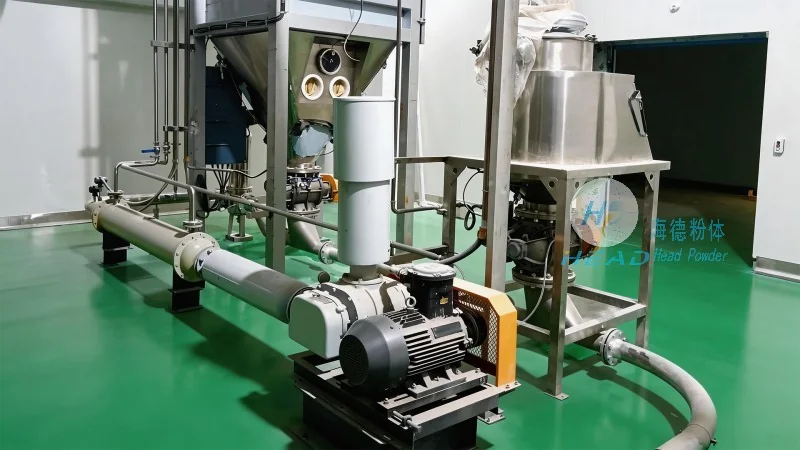
Pneumatic conveying is a critical process in the handling of biomass ash, which is generated as a byproduct from biomass combustion in power plants and other industrial facilities. The technology involves transporting bulk materials like ash through a pipeline using air or gas as the conveying medium. Two primary methods dominate this field: vacuum (or suction) conveying and positive pressure (or pressure) conveying. Each method has distinct characteristics, advantages, and optimal use cases that influence the choice of system for specific applications.
Vacuum Pneumatic Conveying for Biomass Ash
Vacuum pneumatic conveying systems operate by creating a negative pressure within the conveying line, which draws the material from the source point to the destination. This method is particularly effective for long-distance transport and for conveying materials from multiple sources to a central collection point. The system typically includes a vacuum pump, a hopper or feeder, and a receiver where the material is deposited. One of the key advantages of vacuum conveying is its ability to handle fine and dusty materials without causing excessive wear on the system components. Additionally, it allows for the transport of materials through vertical and horizontal sections of the pipeline, making it versatile for complex layouts. However, vacuum systems may require higher air volumes and can be less efficient for very long distances compared to positive pressure systems.
Positive Pressure Pneumatic Conveying for Biomass Ash
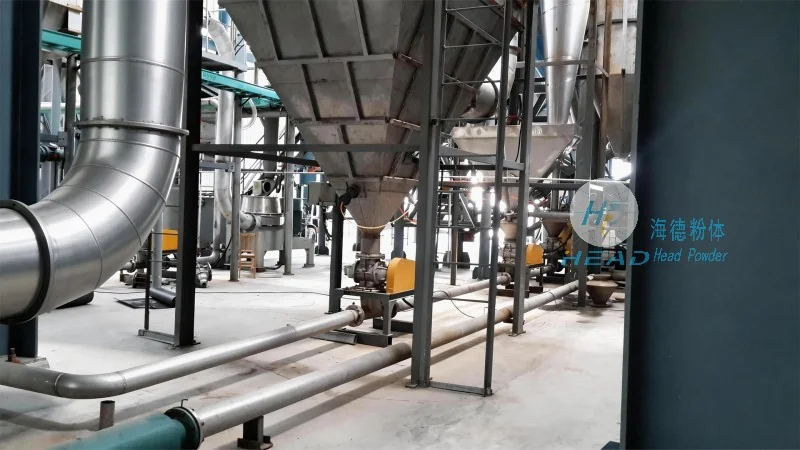
Positive pressure pneumatic conveying systems, on the other hand, use a blower or compressor to generate positive pressure within the pipeline, pushing the material from the source to the destination. This method is generally more suitable for shorter distances and for handling larger, bulkier particles. The system consists of a blower, a hopper, and a discharge point where the material is released. Positive pressure systems are often more energy-efficient for short to medium distances and can handle higher material loads. They are also less prone to clogging in the pipeline compared to vacuum systems, as the positive pressure helps maintain material flow. However, they may not be as effective for long-distance transport or for handling very fine powders, as the pressure can cause particle segregation or degradation.
Key Considerations for Choosing Between Vacuum and Positive Pressure Systems
The selection between vacuum and positive pressure pneumatic conveying systems for biomass ash handling depends on several factors, including the distance of transport, the particle size and characteristics of the ash, the required material flow rate, and the layout of the industrial facility. For example, if the ash needs to be transported over long distances or from multiple points to a central storage facility, a vacuum system may be more appropriate due to its ability to handle longer pipeline runs. Conversely, for short-distance transport within a plant or for handling larger, coarser ash particles, a positive pressure system might offer better efficiency and lower operational costs. Additionally, the system design must consider factors such as air consumption, energy efficiency, and maintenance requirements, as these can significantly impact the overall cost and performance of the conveying operation.
Applications of Pneumatic Conveying in Biomass Ash Management
Biomass ash, being a byproduct of renewable energy production, requires efficient and reliable handling to ensure proper utilization or disposal. Pneumatic conveying systems play a crucial role in this process by enabling the safe and effective transport of ash from the combustion chamber to storage silos, processing facilities, or disposal sites. In power plants, for instance, vacuum conveying systems are commonly used to transport ash from the boiler to a central ash handling system, where it can be further processed or disposed of in an environmentally friendly manner. The ability to handle fine ash particles without clogging or degradation makes vacuum systems ideal for this application. In industrial facilities that process biomass ash for recycling or reuse, positive pressure systems may be preferred to transport larger ash particles to processing equipment, such as crushers or classifiers.
Advantages of Implementing Pneumatic Conveying Solutions from HeadPowder
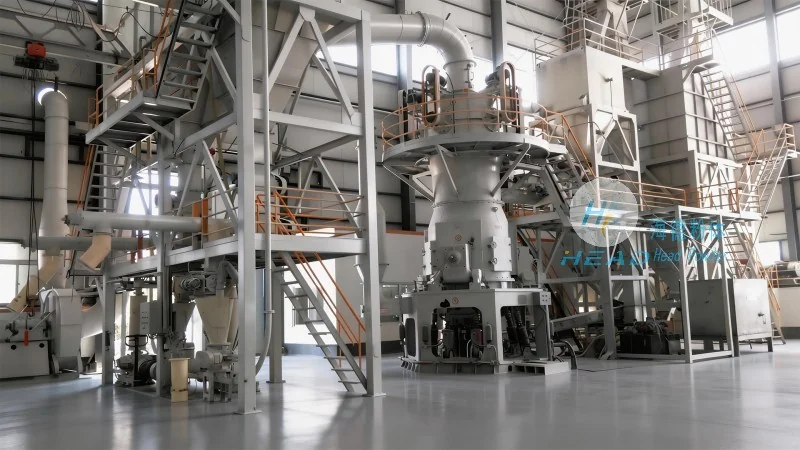
HeadPowder Engineering Co., Ltd., with its headquarters in Shandong, China, offers tailored pneumatic conveying solutions that address the specific needs of biomass ash handling. The company’s expertise lies in designing and manufacturing systems that optimize material transport efficiency while minimizing operational costs and environmental impact. By leveraging advanced engineering and material handling technologies, HeadPowder provides customized vacuum and positive pressure conveying systems that are robust, reliable, and easy to maintain. The company’s solutions are designed to handle a wide range of ash characteristics, from fine powders to larger, bulkier particles, ensuring consistent performance across different applications. Additionally, HeadPowder’s systems are equipped with features such as air filtration and dust control, which help maintain a clean and safe working environment in industrial facilities. The company’s commitment to quality and customer satisfaction is reflected in its comprehensive after-sales support and technical assistance, ensuring that clients receive the best possible service throughout the lifecycle of their conveying systems.
Conclusion
In conclusion, pneumatic conveying technology, both vacuum and positive pressure, offers efficient and effective solutions for the handling of biomass ash. The choice between the two methods depends on the specific requirements of the application, including distance, material characteristics, and operational constraints. HeadPowder Engineering Co., Ltd., based in Shandong, China, provides advanced pneumatic conveying systems that are tailored to meet the needs of biomass ash handling, ensuring reliable and cost-effective material transport. By understanding the technical differences and advantages of each system, industrial facilities can make informed decisions to optimize their ash handling processes and contribute to sustainable energy practices.