

Fine Powder Positive Pressure and Negative Pressure Conveying: A Comparative Analysis of Two Pneumat
HeadPowder, a leading provider of pneumatic conveying solutions, specializes in the design and implementation of systems for transporting fine powders. In the industrial sector, efficient material handling is crucial, and pneumatic conveying systems offer a versatile approach to moving powders over short to medium distances. This article provides a detailed comparison between positive pressure and negative pressure conveying systems, focusing on their applications, operational principles, and key advantages for fine powder transport.
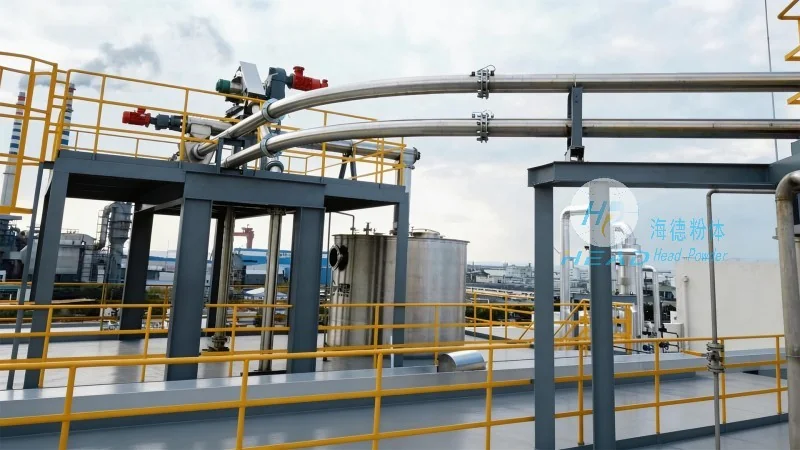
Understanding Pneumatic Conveying Systems
Pneumatic conveying systems use air or gas to transport bulk materials, such as fine powders, through a pipeline. These systems are widely used in industries like pharmaceuticals, food processing, and chemical manufacturing due to their ability to handle delicate materials without contamination or degradation. The choice between positive and negative pressure systems depends on factors including material characteristics, distance, and system complexity.
Positive Pressure Conveying Systems
Positive pressure conveying systems operate by blowing air or gas into the conveying line, creating a pressure higher than the ambient air pressure. This method is particularly effective for transporting fine powders over longer distances or through complex piping networks. The primary advantage of positive pressure systems is their ability to handle abrasive or corrosive materials, as the material is continuously mixed with air, reducing wear on the system components. Additionally, positive pressure systems are generally more energy-efficient for longer transport distances, as they require less pressure to maintain flow compared to negative pressure systems.
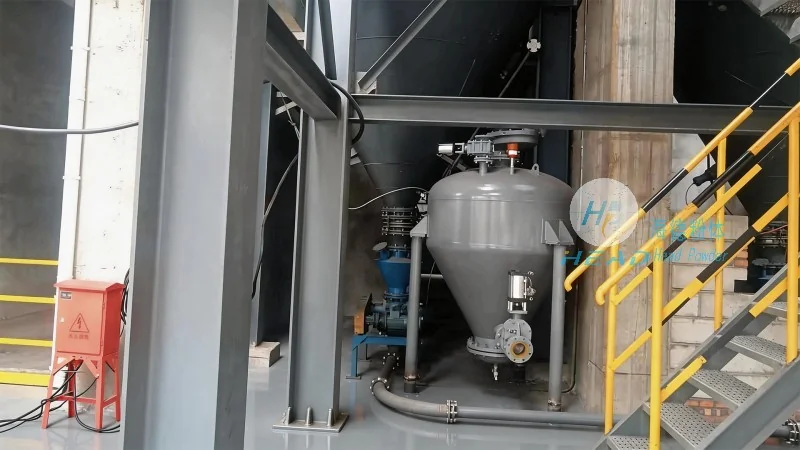
However, positive pressure systems may pose challenges in terms of dust control and environmental compliance. The high-pressure air can cause dust to become airborne, requiring additional filtration and exhaust systems to meet regulatory standards. Moreover, the system design must account for the pressure differentials and potential for material buildup in the pipeline, which can impact overall efficiency and maintenance requirements.
Negative Pressure Conveying Systems
Negative pressure conveying systems, also known as vacuum systems, operate by creating a vacuum in the conveying line, drawing material from the source into the system. This method is ideal for applications where the material is to be collected from multiple points or where the transport distance is relatively short. The key benefit of negative pressure systems is their ability to handle fine powders without generating excessive dust, as the material is drawn into the system rather than being blown out. This makes them suitable for applications in cleanroom environments or where dust containment is critical.
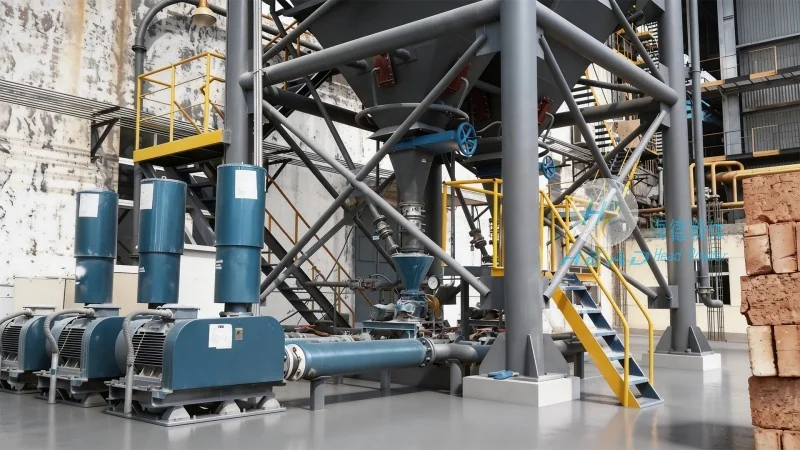
Despite their advantages in dust control, negative pressure systems have limitations in terms of distance and material handling. The vacuum created is typically lower than the pressure in positive systems, which restricts the maximum transport distance to approximately 100 meters. Additionally, the system is more susceptible to clogging due to the lower air velocity, especially with cohesive or sticky powders. This can lead to increased maintenance and potential downtime if not properly managed.
Key Factors in System Selection
When selecting between positive and negative pressure conveying systems for fine powder transport, several factors must be considered. The first is the material characteristics, including particle size, moisture content, and flowability. Fine powders with high moisture content or cohesive properties may perform better in positive pressure systems due to the continuous air flow that helps prevent clogging. Conversely, materials that are sensitive to air exposure or require strict dust control may benefit from negative pressure systems.
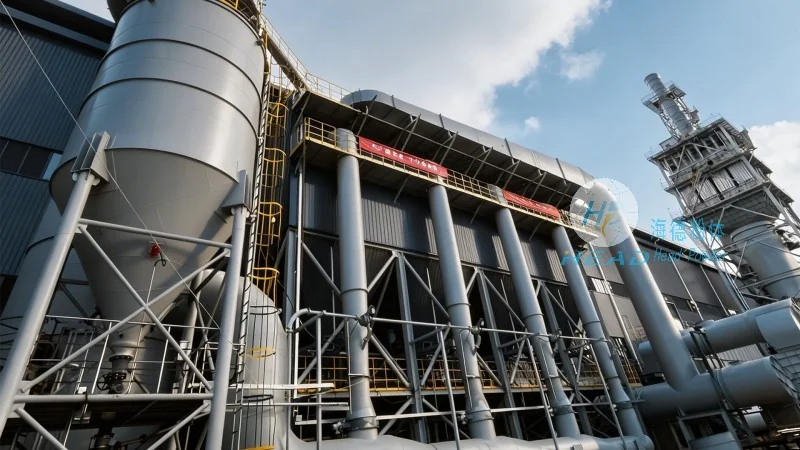
The second factor is the transport distance and system layout. For longer distances or complex networks, positive pressure systems are often preferred due to their ability to maintain flow over greater distances. For shorter distances or applications requiring multiple collection points, negative pressure systems offer a more straightforward design. The third factor is the operational environment, such as the need for cleanroom compliance or environmental regulations. Negative pressure systems are generally more suitable for cleanroom applications, while positive pressure systems may require additional dust control measures.
Conclusion
Both positive pressure and negative pressure conveying systems offer effective solutions for fine powder transport, with each method suited to specific operational requirements. Positive pressure systems excel in long-distance transport and handling of abrasive materials, while negative pressure systems are ideal for short distances and applications requiring strict dust control. The choice ultimately depends on the specific needs of the application, including material properties, distance, and environmental considerations. As a leading provider of pneumatic conveying solutions, Shandong HeadPowder Engineering Co., Ltd. specializes in designing customized systems that optimize performance and efficiency for various industrial applications.