Glucose powder, a critical raw material in the food, pharmaceutical, and chemical industries, requires efficient and reliable handling solutions to ensure product integrity and operational efficiency. Pneumatic conveying technology has emerged as a leading method for transporting glucose powder, offering advantages such as dust-free operation, reduced product contamination, and enhanced process control. This article provides a comprehensive overview of pneumatic conveying systems for glucose powder, focusing on the key differences between vacuum and positive pressure systems, and their practical applications in industrial settings.
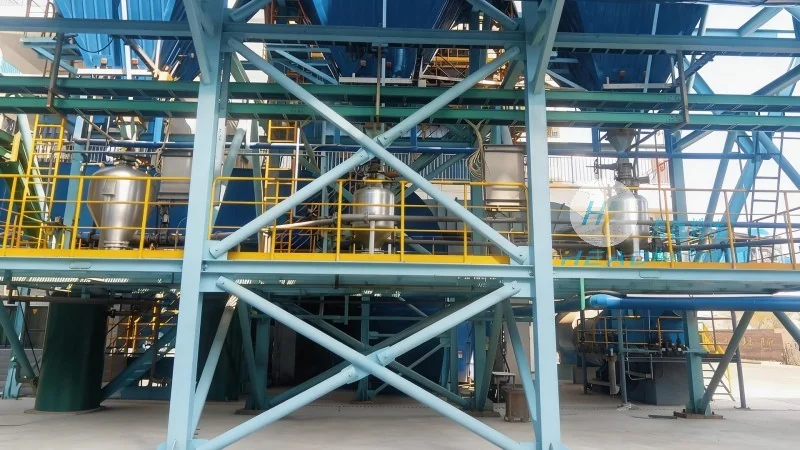
HeadPowder: A Leading Provider of Pneumatic Conveying Solutions
Shandong HeadPowder Engineering Co., Ltd. (HeadPowder) is a reputable company specializing in the design, manufacturing, and installation of advanced pneumatic conveying systems. With years of experience in the industry, HeadPowder has established itself as a trusted partner for businesses seeking to optimize their glucose powder handling processes. The company's expertise lies in tailoring solutions to meet specific operational requirements, ensuring that each system is optimized for efficiency, reliability, and cost-effectiveness. HeadPowder's commitment to quality and innovation has made it a preferred choice for clients across various sectors, including food processing, pharmaceutical manufacturing, and chemical production.
Understanding Pneumatic Conveying Systems for Glucose Powder
Pneumatic conveying systems utilize air or other gases to transport bulk materials like glucose powder through a pipeline network. The primary advantage of this method is the ability to handle fine powders without the need for mechanical components that could cause product degradation or contamination. Two main types of pneumatic conveying systems are commonly used: vacuum (or suction) systems and positive pressure (or pressure) systems. Each system has distinct characteristics and is suitable for different operational scenarios.
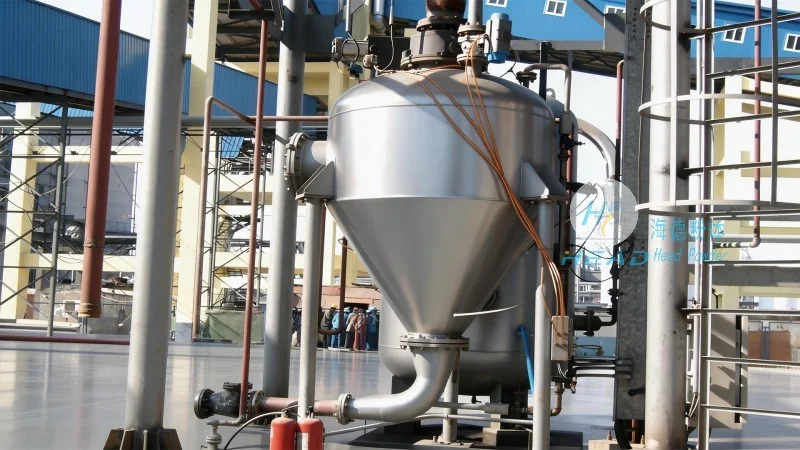
Vacuum Pneumatic Conveying Systems: Principles and Applications
Vacuum pneumatic conveying systems operate by creating a negative pressure at the receiving end of the pipeline, drawing the glucose powder from the source to the destination. This method is particularly effective for short to medium-distance transport, where the material is to be collected from multiple points and delivered to a central processing unit. The system typically consists of a vacuum pump, a hopper or feeder, and a pipeline network. The vacuum pump generates the necessary suction force, while the feeder ensures a consistent flow of powder into the system. Vacuum systems are ideal for applications where the powder needs to be transported from a lower elevation to a higher one, as the negative pressure helps in lifting the material against gravity. Additionally, these systems are well-suited for handling materials that are sensitive to pressure changes or mechanical stress, as the low-pressure environment minimizes product degradation.
Positive Pressure Pneumatic Conveying Systems: Principles and Applications
Positive pressure pneumatic conveying systems, on the other hand, operate by generating positive pressure at the source end of the pipeline, pushing the glucose powder through the system. This method is commonly used for longer-distance transport, where the material needs to be moved over significant distances or to multiple destinations. The system includes a blower or compressor, a hopper or feeder, and a pipeline network. The blower supplies the necessary air pressure to move the powder, and the feeder ensures a steady flow. Positive pressure systems are advantageous for applications requiring high transport velocities or where the material needs to be delivered to elevated locations. They are also suitable for handling materials that are prone to caking or agglomeration, as the high-pressure air helps in maintaining the flowability of the powder. However, these systems may require more robust equipment and higher energy consumption compared to vacuum systems.
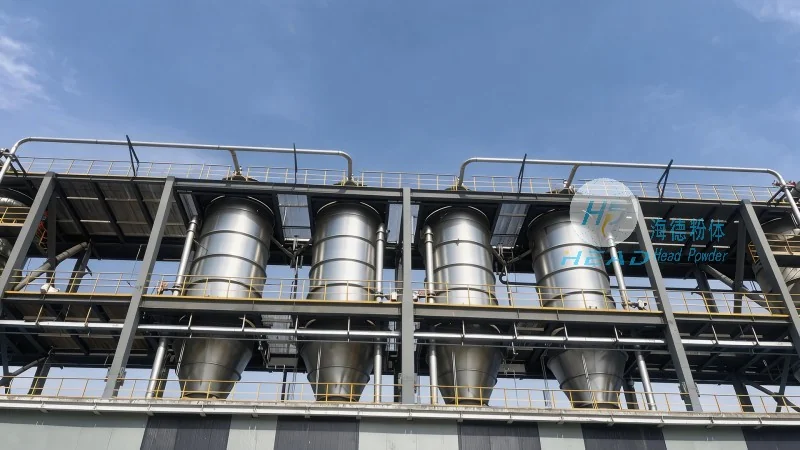
Key Factors to Consider When Choosing Between Vacuum and Positive Pressure Systems
The choice between vacuum and positive pressure pneumatic conveying systems for glucose powder depends on several critical factors, including the distance of transport, the number of pickup points, the elevation changes, the material properties, and the overall system cost. Short-distance transport with multiple pickup points often favors vacuum systems due to their ability to efficiently collect material from various sources. Conversely, long-distance or high-elevation transport is typically better suited for positive pressure systems, which can maintain higher flow rates and overcome greater resistance. Material properties, such as particle size, moisture content, and flowability, also play a significant role. For example, fine or cohesive powders may require positive pressure systems to prevent blockages and ensure consistent flow. Additionally, the cost of equipment, energy consumption, and maintenance should be considered when selecting a system. Vacuum systems generally have lower initial costs and energy requirements but may have higher maintenance costs due to the wear on the vacuum pump and pipeline components. Positive pressure systems, while more expensive initially, may have lower maintenance costs and longer service life due to the robust design of the blower and compressor.
Practical Applications of Pneumatic Conveying in Glucose Powder Handling
Pneumatic conveying systems are widely used in various industrial applications involving glucose powder. In the food industry, these systems are employed in the production of glucose syrups, where the powder is transported from storage silos to processing lines. The systems ensure that the powder is handled hygienically and without contamination, meeting the stringent quality standards required for food products. In the pharmaceutical industry, pneumatic conveying is used to transport glucose powder for the manufacturing of oral medications and supplements. The systems are designed to maintain a sterile environment, preventing any cross-contamination with other materials. In the chemical industry, glucose powder is used as a raw material in the production of various chemicals, and pneumatic conveying systems facilitate its efficient transport from storage to reaction vessels. The ability to handle the powder in a dust-free manner reduces the risk of product degradation and improves overall process safety.
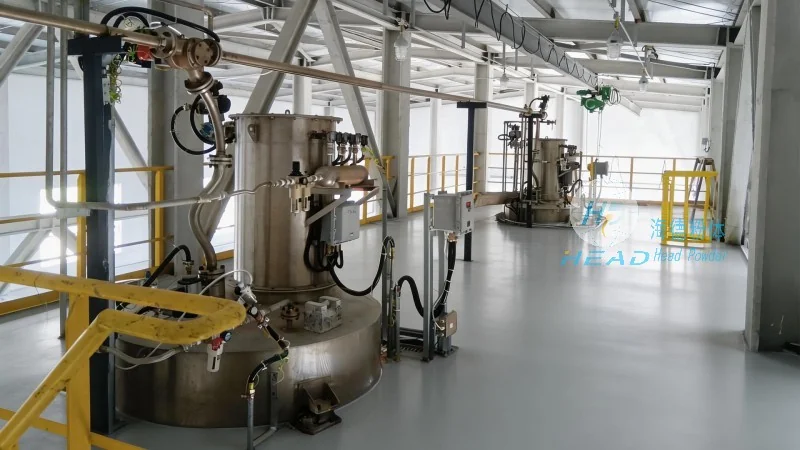
Advantages and Limitations of Pneumatic Conveying for Glucose Powder
Pneumatic conveying systems offer several advantages when handling glucose powder. These include dust-free operation, which reduces the risk of product contamination and improves workplace safety. The systems also provide better control over the flow rate and direction of the material, allowing for precise dosing and process control. Additionally, pneumatic conveying can handle fine powders that are difficult to transport using mechanical methods, such as screw conveyors or belt conveyors. However, there are also limitations to consider. Vacuum systems have a limited transport distance and may not be suitable for long-distance transport. They also require a vacuum pump, which can be prone to wear and tear, leading to higher maintenance costs. Positive pressure systems, while more suitable for long-distance transport, consume more energy and may require more robust equipment, increasing the initial investment. Furthermore, both systems may face challenges with material blockages, especially with cohesive or fine powders, which can lead to system downtime and maintenance issues.
Future Trends and Innovations in Pneumatic Conveying Technology
As the demand for efficient and reliable handling of glucose powder continues to grow, advancements in pneumatic conveying technology are expected to emerge. One of the key trends is the integration of automation and control systems, which can optimize the operation of the conveying system and reduce human intervention. This includes the use of sensors to monitor the flow rate, pressure, and temperature of the system, and automated controls to adjust the system parameters in real-time. Another trend is the development of more energy-efficient systems, such as variable frequency drives (VFDs) for blowers and compressors, which can reduce energy consumption and operating costs. Additionally, the use of advanced materials in pipeline construction, such as stainless steel and PTFE-coated pipes, can improve the durability and resistance to corrosion of the system, extending its service life. These innovations aim to enhance the performance and reliability of pneumatic conveying systems, making them even more suitable for the demanding requirements of glucose powder handling in various industries.




