HeadPowder, a leading provider in the field of material handling solutions, specializes in advanced pneumatic conveying systems tailored for sodium hydroxide (NaOH) transportation. This article delves into the technical nuances of both negative pressure and positive pressure pneumatic conveying methods, offering a comprehensive understanding of their applications and operational advantages.
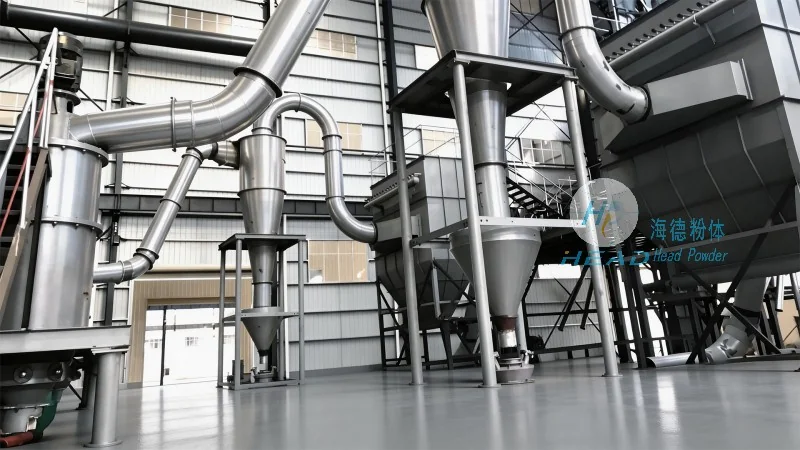
Introduction to Sodium Hydroxide Pneumatic Conveying
Sodium hydroxide, commonly known as caustic soda, is a highly caustic and reactive chemical widely used in various industrial processes, including chemical manufacturing, paper production, and water treatment. Efficient and safe transportation of this material is crucial to ensure operational continuity and compliance with safety standards. Pneumatic conveying technology offers a non-contact, automated solution that minimizes human exposure to hazardous substances while maintaining product integrity.
Understanding Negative Pressure Pneumatic Conveying
Negative pressure (or suction) pneumatic conveying systems operate by creating a vacuum at the material inlet, drawing the solid material into the conveying line using air flow. This method is particularly suitable for applications requiring the transfer of materials from multiple sources or over longer distances. The system typically consists of a vacuum pump, a material feed hopper, and a conveying line that connects to a collection point. The negative pressure ensures that the material is drawn into the system without the need for mechanical feeders, reducing the risk of material degradation or blockages.
Key advantages of negative pressure systems include their ability to handle fine powders and granules, making them ideal for sodium hydroxide, which is often in a powder or granular form. The vacuum environment also helps in controlling dust emissions, as the material is contained within the system from the point of collection to the discharge point. However, these systems may have limitations in terms of conveying distance and material density, as the vacuum pressure can only be maintained over a certain range.
Positive Pressure Pneumatic Conveying Systems
Positive pressure (or pressure) pneumatic conveying systems, on the other hand, generate pressure within the conveying line using a blower or compressor. The material is then pushed through the system by the pressurized air. This method is often preferred for applications involving shorter distances and higher material flow rates. The system typically includes a material feeder, a pressure vessel, and a conveying line that transports the material to the discharge point.
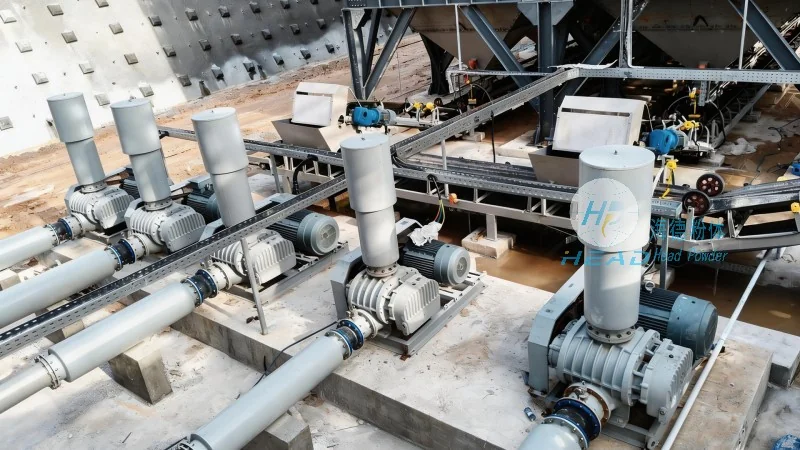
Positive pressure systems are well-suited for handling bulk materials and can achieve higher conveying velocities compared to negative pressure systems. They are particularly effective for sodium hydroxide when the material needs to be transported over shorter distances within a plant or facility. The pressurized environment helps in maintaining the material's flowability and prevents clogging in the conveying line. However, these systems require careful consideration of air leakage and pressure maintenance to ensure efficient operation.
Comparative Analysis of Negative vs. Positive Pressure Systems
When selecting between negative and positive pressure pneumatic conveying for sodium hydroxide, several factors must be considered. The primary difference lies in the operational principle: negative pressure draws material into the system, while positive pressure pushes it through. This affects the system's suitability for different material characteristics, such as particle size, moisture content, and flowability. For sodium hydroxide, which is often a fine powder, negative pressure systems may be more effective due to their ability to handle delicate particles without causing degradation.
Another critical factor is the conveying distance and system layout. Negative pressure systems are generally more suitable for longer distances due to the vacuum's ability to maintain material flow over extended lengths. Positive pressure systems, while efficient for shorter distances, may require additional equipment to manage pressure losses over longer runs. Additionally, the cost and maintenance requirements differ between the two systems. Negative pressure systems may have lower initial costs but could incur higher operational costs due to the energy consumption of the vacuum pump. Positive pressure systems, with their higher initial investment in pressure equipment, may offer lower long-term operational costs.
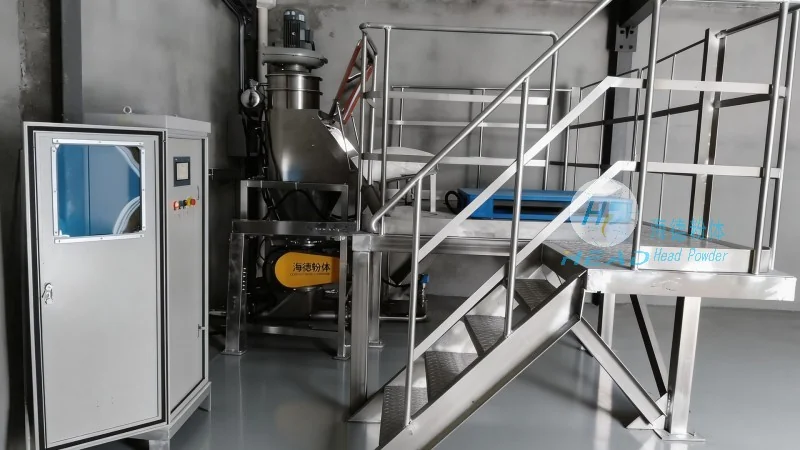
Application Scenarios and Operational Considerations
The choice between negative and positive pressure pneumatic conveying for sodium hydroxide depends on the specific application requirements. For example, in a chemical plant where sodium hydroxide is used in multiple processes, a negative pressure system might be used to transfer material from storage silos to processing units over longer distances. Conversely, within a processing unit where the material needs to be moved between reactors or tanks over shorter distances, a positive pressure system could be more appropriate.
Operational considerations also include safety and environmental factors. Both systems must be designed to prevent dust emissions and ensure proper ventilation. Negative pressure systems excel in containing dust at the source, as the vacuum draws material into the system, reducing the risk of external contamination. Positive pressure systems, while effective in maintaining material flow, require careful sealing to prevent air and dust leakage. Additionally, the system must be equipped with appropriate safety features, such as pressure relief valves and material overflow protection, to prevent accidents and ensure compliance with industrial safety regulations.
Conclusion and Recommendations
In conclusion, both negative and positive pressure pneumatic conveying systems offer viable solutions for the transportation of sodium hydroxide. The selection of the appropriate system depends on factors such as conveying distance, material characteristics, and operational requirements. HeadPowder, with its expertise in engineering customized material handling solutions, can provide tailored pneumatic conveying systems that optimize efficiency, safety, and cost-effectiveness for sodium hydroxide applications.
By understanding the technical differences and operational advantages of each system, industrial facilities can make informed decisions to enhance their material handling processes. The implementation of advanced pneumatic conveying technology not only improves operational efficiency but also ensures compliance with safety and environmental standards, contributing to a more sustainable and productive industrial environment.




