Ammonium bicarbonate, a widely used chemical in industrial processes, requires efficient and reliable material handling solutions for safe and effective transportation. Pneumatic conveying technology has emerged as a critical method for moving this substance, offering advantages such as reduced dust exposure, improved process control, and enhanced safety. This article delves into the nuances of pneumatic conveying systems for ammonium bicarbonate, focusing on both vacuum and positive pressure methods, and explores their practical applications in industrial settings.
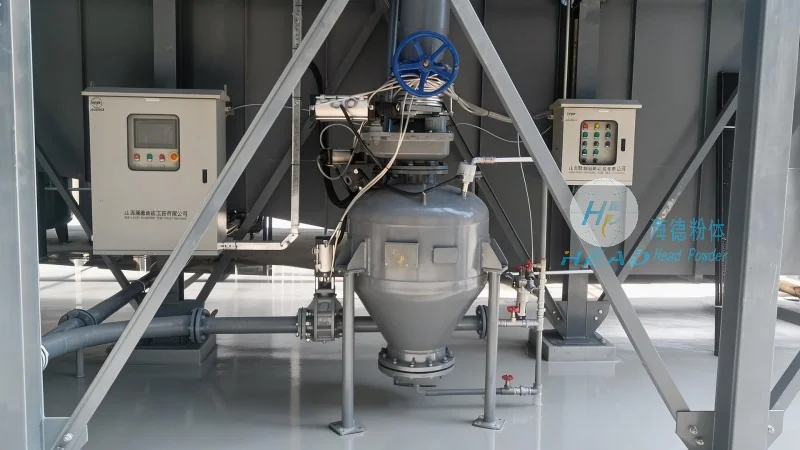
Understanding Pneumatic Conveying for Ammonium Bicarbonate
Pneumatic conveying involves transporting bulk materials through a pipeline using air or gas as the conveying medium. For ammonium bicarbonate, which is a fine, powdery substance, the choice between vacuum and positive pressure systems depends on several factors, including material properties, system design, and operational requirements. Both methods have distinct characteristics that make them suitable for different scenarios, and understanding these differences is essential for selecting the optimal conveying solution.
Vacuum Pneumatic Conveying Systems
Vacuum pneumatic conveying systems operate by creating a negative pressure in the conveying line, drawing material from a hopper or storage bin into the pipeline. This method is particularly effective for materials that are prone to dusting or require gentle handling, as the low pressure reduces the risk of material degradation or loss. The system typically consists of a vacuum pump, a hopper with a feeder, and a pipeline that connects to the receiving vessel. The vacuum is maintained by the pump, which pulls air and material particles through the line, ensuring a continuous flow.
Key advantages of vacuum systems include their ability to handle long distances and multiple transfer points without the need for additional pressure boosters. They are also suitable for applications where the material is stored in a hopper that needs to be emptied gradually. However, vacuum systems may have limitations in terms of material throughput and may require larger ducts to maintain sufficient airflow, especially for fine powders like ammonium bicarbonate.
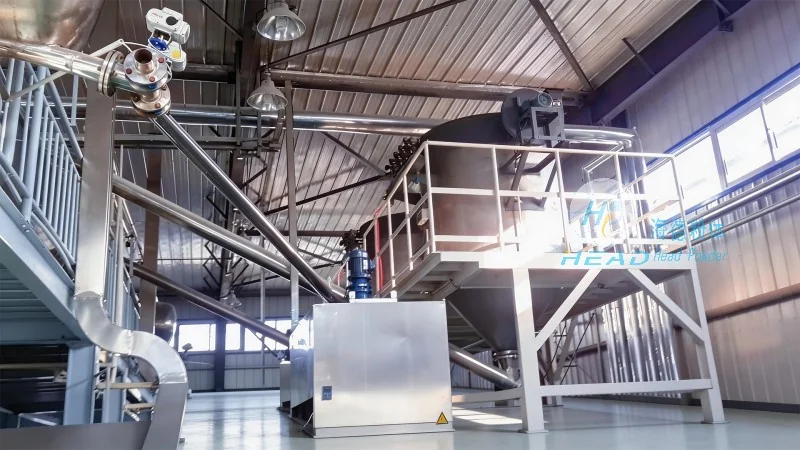
Positive Pressure Pneumatic Conveying Systems
Positive pressure systems, on the other hand, use compressed air to push material through the pipeline. The system generates positive pressure at the inlet, forcing material from the hopper into the pipeline and toward the receiving vessel. This method is often preferred for materials that are more cohesive or require higher throughput, as the higher pressure can handle larger quantities and longer distances more efficiently.
Positive pressure systems typically include a blower or compressor, a hopper with a feeder, and a pipeline with pressure relief valves. The compressed air is introduced at the inlet, creating a pressure differential that drives the material forward. This approach is particularly effective for handling materials that are prone to caking or require rapid transfer, such as ammonium bicarbonate in certain industrial processes.
Comparative Analysis of Vacuum and Positive Pressure Conveying
When comparing vacuum and positive pressure pneumatic conveying for ammonium bicarbonate, several factors must be considered. Vacuum systems are generally more suitable for applications requiring gentle handling, low dust generation, and long-distance transfers with multiple points. They are also advantageous in environments where noise and vibration are concerns, as the vacuum pump operates at lower speeds compared to high-pressure blowers.
Positive pressure systems excel in scenarios where high throughput, short distances, and the need to handle cohesive materials are critical. They are often preferred in industries where rapid material transfer is essential, such as in chemical manufacturing or food processing. However, positive pressure systems may generate more noise and require more maintenance due to the higher pressure components.
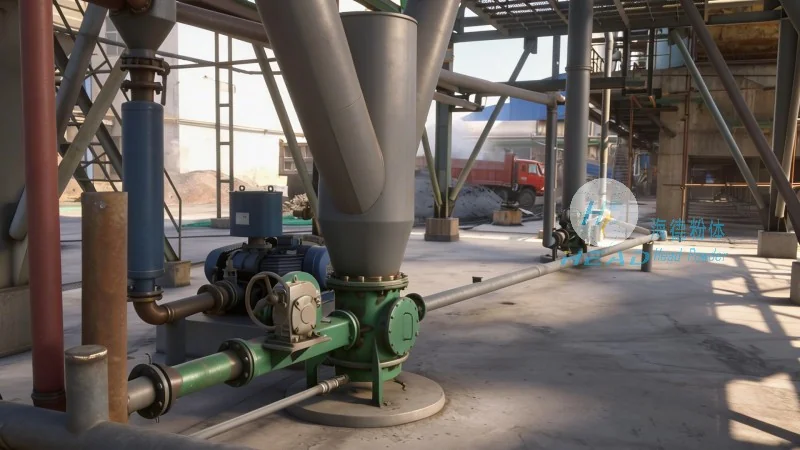
Application Scenarios and Best Practices
The choice between vacuum and positive pressure conveying for ammonium bicarbonate depends on the specific application requirements. For example, in a fertilizer production plant, vacuum systems may be used to transfer ammonium bicarbonate from storage silos to processing units, as the material is handled in large quantities and requires gentle handling to prevent degradation. In contrast, a food processing facility might opt for a positive pressure system to quickly move the material from a mixing tank to a packaging line, where high throughput and minimal downtime are essential.
Best practices for pneumatic conveying of ammonium bicarbonate include regular maintenance of the system components, such as checking for leaks in the pipeline, ensuring proper air filtration to prevent dust buildup, and monitoring the pressure and flow rates to maintain optimal performance. Additionally, the selection of appropriate materials for the pipeline and components is crucial, as ammonium bicarbonate can be corrosive and may require stainless steel or other corrosion-resistant materials to ensure long-term durability.
Conclusion
Pneumatic conveying technology offers a reliable and efficient solution for handling ammonium bicarbonate, with both vacuum and positive pressure systems providing distinct advantages based on operational needs. By understanding the characteristics and applications of each method, industrial facilities can select the most suitable conveying system to ensure safe, effective, and cost-efficient material transport. As a leading provider of engineering solutions, Shandong HeadPowder Engineering Co., Ltd. specializes in designing and implementing pneumatic conveying systems tailored to the specific requirements of ammonium bicarbonate handling, ensuring optimal performance and compliance with industry standards.




