Lightweight calcium carbonate (LCC) is a widely used industrial material, and its efficient transportation is crucial for production processes. Pneumatic conveying technology offers a reliable solution for handling LCC, with negative pressure and positive pressure systems being the two primary methods. This article provides an in-depth analysis of both approaches, exploring their applications, advantages, and practical considerations.
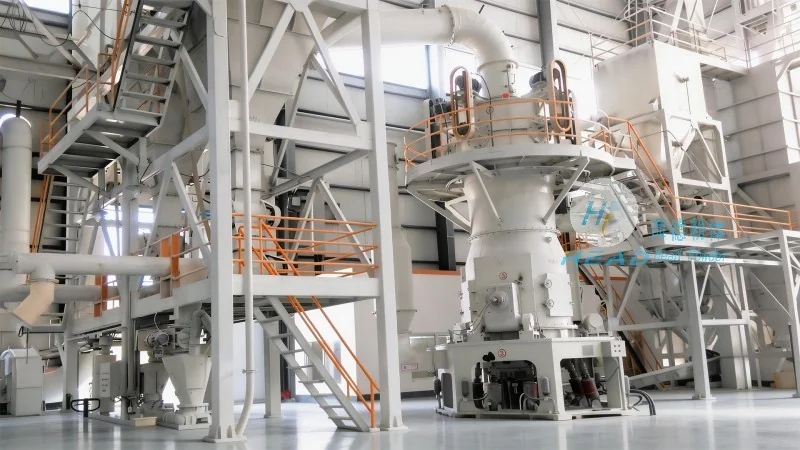
Company Overview: Shandong HeadPowder Engineering Co., Ltd.
HeadPowder, a leading provider in the field, specializes in engineering solutions for material handling. With a focus on innovation and customer-centric design, the company has developed advanced pneumatic conveying systems tailored to the unique needs of the calcium carbonate industry. HeadPowder's expertise ensures that clients receive customized solutions that optimize performance and reduce operational costs.
Negative Pressure Pneumatic Conveying Systems
Negative pressure, or suction, systems operate by creating a vacuum at the material inlet, drawing the LCC into the conveying line. This method is particularly effective for handling fine powders and is commonly used in applications where dust control and material containment are critical. The system typically consists of a vacuum pump, a hopper with a rotary valve, and a filter to capture any airborne particles. Negative pressure conveying minimizes the risk of product spillage and is ideal for environments where dust generation must be minimized.
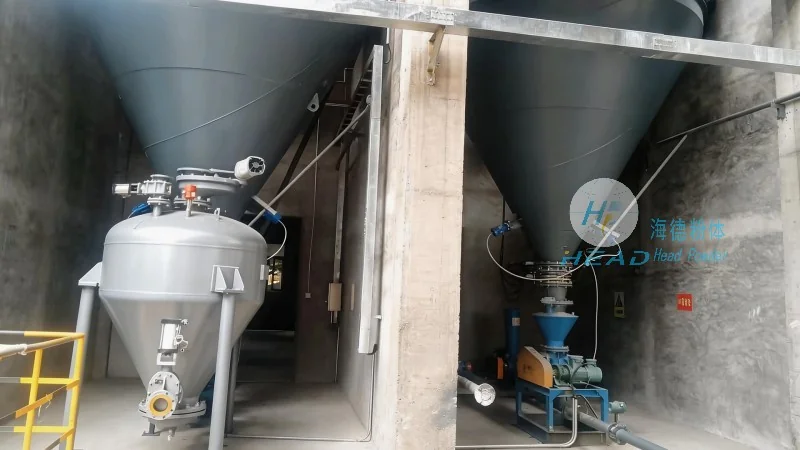
Advantages of Negative Pressure Conveying
One of the key benefits of negative pressure systems is their ability to handle materials with high moisture content or those that are prone to caking. The vacuum environment helps maintain the material's flowability, preventing blockages in the conveying line. Additionally, these systems are generally quieter and require less maintenance compared to positive pressure alternatives. For industries dealing with sensitive or high-value LCC, negative pressure conveying offers a cleaner and more controlled method of material transport.
Positive Pressure Pneumatic Conveying Systems
Positive pressure, or pressure, systems use compressed air to push the LCC through the conveying line. This approach is often preferred for longer distances or when dealing with larger particle sizes. The system includes a blower, a hopper with a rotary valve, and a discharge point equipped with a filter. Positive pressure conveying is more suitable for applications where the material is less fine and where the system can handle higher pressures without compromising the material's integrity.
Advantages of Positive Pressure Conveying
Positive pressure systems excel in scenarios requiring high throughput and long-distance transport. The compressed air provides consistent pressure, ensuring a steady flow of LCC even over extended routes. This method is also effective for handling abrasive materials, as the high-pressure air helps maintain the conveying line's integrity. However, it is important to note that positive pressure systems may generate more dust and require more robust filtration to prevent air contamination.
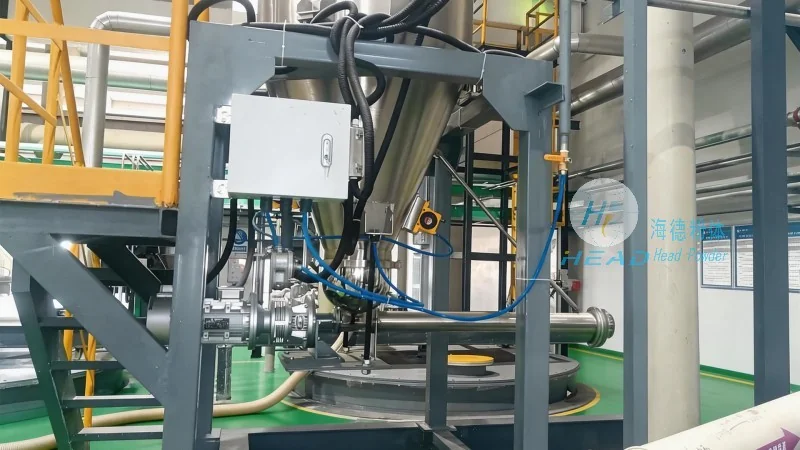
Application Scenarios and Practical Considerations
The choice between negative and positive pressure pneumatic conveying depends on several factors, including the material's properties, the distance to be covered, and the required level of dust control. For instance, negative pressure is often preferred in pharmaceutical or food processing applications where product purity is paramount. Conversely, positive pressure is more common in mining or construction industries where bulk material handling is the primary concern.
Customized Solutions by HeadPowder
HeadPowder understands that no two production lines are identical. The company offers tailored pneumatic conveying solutions that integrate both negative and positive pressure components, depending on the specific requirements of the client. By leveraging their engineering expertise, HeadPowder designs systems that optimize material flow, minimize energy consumption, and ensure compliance with industry standards. Clients benefit from reduced downtime, lower maintenance costs, and improved overall efficiency in their LCC handling processes.




