Glucose, a vital carbohydrate used in pharmaceuticals, food processing, and biofuel production, requires efficient and hygienic handling during material transport. Pneumatic conveying systems offer a solution by transporting bulk materials like glucose through air, eliminating the need for mechanical components that can cause contamination or damage. HeadPowder, a leading provider of engineering solutions for bulk material handling, specializes in designing and implementing pneumatic conveying systems tailored to the unique needs of glucose processing. This article explores the key differences between negative and positive pressure pneumatic conveying systems, their applications in glucose handling, and the technical considerations for optimal performance.
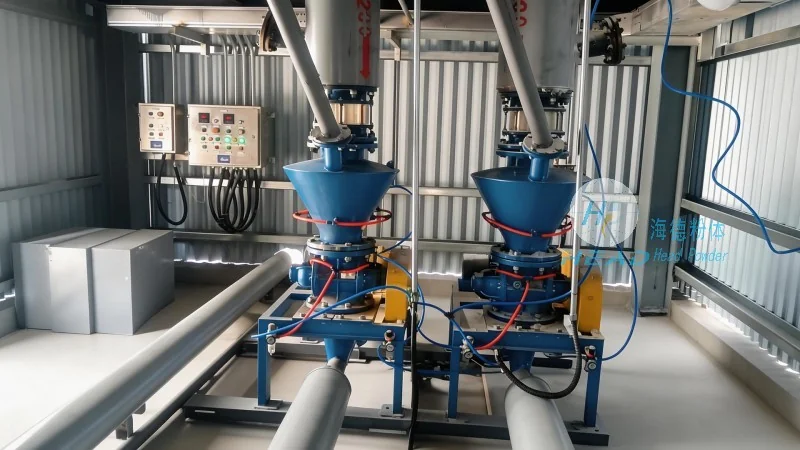
Understanding Pneumatic Conveying Systems for Glucose
Pneumatic conveying is a method of transporting bulk materials using air or gas as the conveying medium. In the context of glucose, which is often in powder or granular form, these systems ensure safe, clean, and efficient movement from storage to processing equipment. The two primary types of pneumatic conveying systems are negative pressure (or suction) and positive pressure (or pressure) systems, each with distinct characteristics and suitability for different operational needs.
Negative Pressure (Suction) Pneumatic Conveying Systems
Negative pressure systems operate by creating a vacuum at the material pickup point, drawing the material into a pipeline using air drawn from the system. This approach is particularly effective for handling materials that are light, dusty, or require a clean environment, as it minimizes the risk of product contamination from external air. For glucose, which is sensitive to moisture and contamination, negative pressure systems are often preferred in pharmaceutical and food industries where hygiene is paramount.
The system typically consists of a vacuum pump, a material pickup hopper, and a pipeline network. The vacuum pump creates the pressure differential, pulling air and material particles into the system. The material is then separated from the air in a cyclone or filter at the end of the line, with the cleaned air being discharged back into the environment. Negative pressure systems are well-suited for conveying glucose from storage silos to processing lines, especially when the material source is at a higher elevation than the destination.
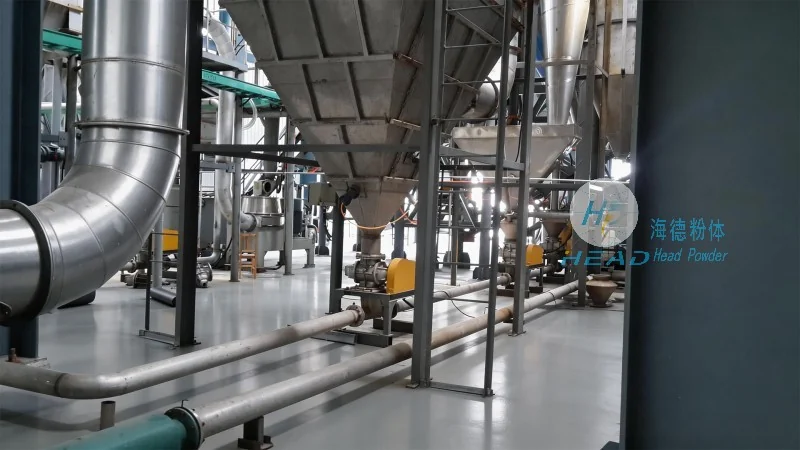
Positive Pressure (Pressure) Pneumatic Conveying Systems
Positive pressure systems, in contrast, use a blower or compressor to generate pressure within the pipeline, pushing the material forward. This method is ideal for materials that are heavy, abrasive, or require high transport distances, as it can maintain consistent flow rates and prevent material degradation. For glucose, positive pressure systems are commonly used in industrial settings where large volumes need to be moved quickly and efficiently.
The system includes a pressure blower, a material loading hopper, and a pipeline with pressure relief valves. The blower forces air and material through the pipeline, ensuring a continuous flow. The material is then discharged at the receiving end, and the air is typically filtered and recycled back into the system to maintain efficiency. Positive pressure systems are advantageous for conveying glucose over long distances or when the material source is at a lower elevation than the processing equipment.
Key Considerations for Glucose Pneumatic Conveying
When selecting a pneumatic conveying system for glucose, several factors must be considered to ensure optimal performance and product quality. These include material properties (such as particle size, moisture content, and hygroscopic nature), system capacity requirements, and the need for hygiene or explosion protection. For example, glucose is hygroscopic, meaning it absorbs moisture from the air, which can affect its quality. Therefore, systems must be designed to minimize exposure to ambient air and maintain low humidity levels.
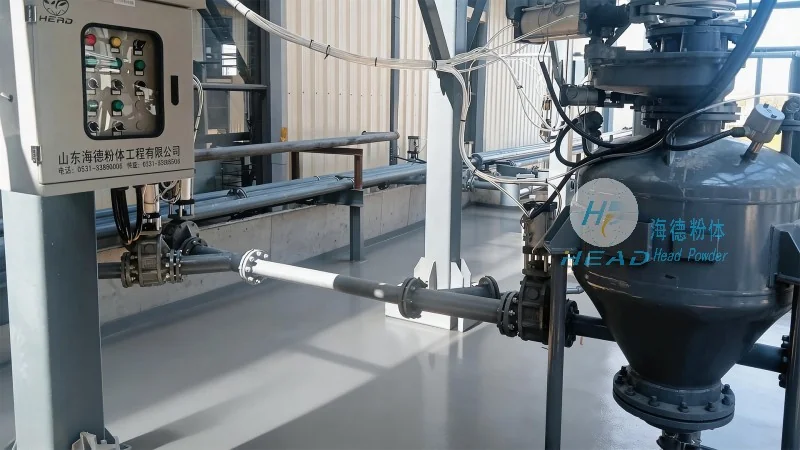
Another critical consideration is the system's ability to handle variations in material flow rate. In industrial operations, the demand for glucose may fluctuate, and the conveying system must be able to adapt without compromising efficiency. This often involves variable speed drives for the blower or pump, allowing for adjustments based on real-time demand.
Applications of Pneumatic Conveying in Glucose Handling
Pneumatic conveying systems are widely used in various stages of glucose processing, from raw material transport to finished product distribution. In pharmaceutical manufacturing, for instance, negative pressure systems are used to transport glucose powders from storage to mixing tanks, ensuring a sterile and contamination-free environment. The systems are often integrated with dust collection and filtration equipment to meet regulatory standards for product purity.
In the food industry, positive pressure systems are employed to move glucose granules from storage silos to packaging lines. These systems are designed to maintain product integrity and prevent cross-contamination with other food products. The use of stainless steel components and sealed pipelines further enhances hygiene and safety.
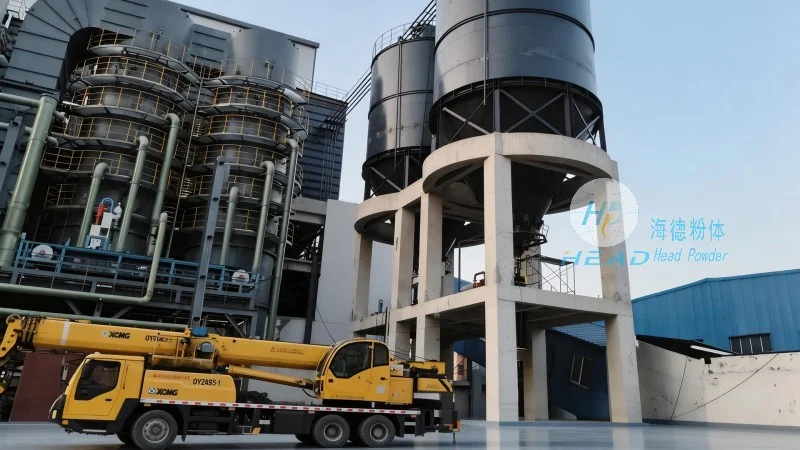
Biofuel production also relies on pneumatic conveying for transporting glucose from fermentation tanks to downstream processing units. The systems must be capable of handling high volumes of wet or moist material, and often include moisture control features to prevent material caking or degradation.
Advantages and Challenges of Pneumatic Conveying for Glucose
Both negative and positive pressure pneumatic conveying systems offer advantages for glucose handling, including reduced labor costs, improved safety (by eliminating manual handling of powders), and increased efficiency compared to traditional methods like bucket elevators or belt conveyors. However, challenges remain, such as the need for regular maintenance of air filtration systems to prevent clogging, and the potential for material degradation if the system is not properly designed for the specific properties of glucose.
Additionally, the cost of equipment and energy consumption must be considered. Negative pressure systems may require more powerful vacuum pumps, while positive pressure systems need robust blowers. The choice between the two depends on the specific operational requirements, including the distance of transport, the volume of material, and the need for hygiene or explosion protection.




