Efficient and reliable transportation of paddy grain is crucial in the agricultural and food processing industries. Pneumatic conveying systems have emerged as a key technology for handling bulk paddy grains, offering advantages over traditional mechanical methods such as reduced dust, improved hygiene, and enhanced operational flexibility. This article provides a technical analysis of paddy grain pneumatic conveying systems, focusing on the comparison between positive pressure and negative pressure conveying modes. We will explore the fundamental principles, operational characteristics, and practical considerations of each mode, helping stakeholders make informed decisions when selecting the most suitable conveying solution for their paddy grain handling needs.
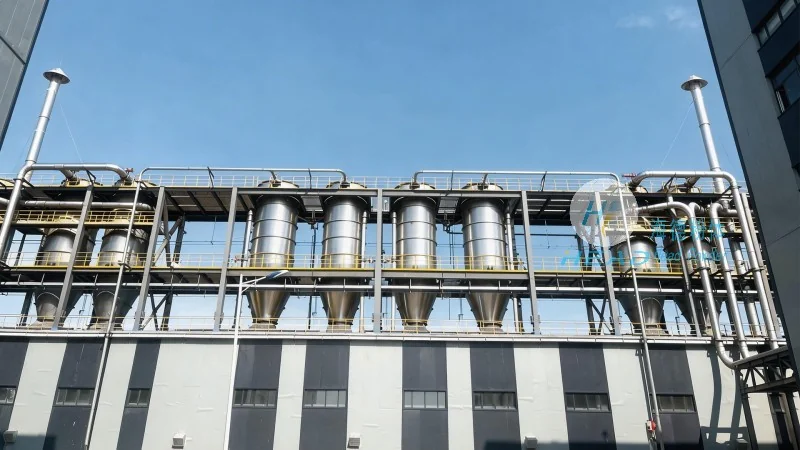
Understanding Pneumatic Conveying Systems for Paddy Grain
Pneumatic conveying systems utilize air to transport bulk materials like paddy grains through a network of pipes. The system consists of a blower, hopper, conveying line, and discharge point. The primary goal is to move the grain from the source to the destination while maintaining product integrity and minimizing operational disruptions. The choice between positive pressure and negative pressure systems depends on factors such as material properties, system layout, and operational requirements.
Positive Pressure Conveying Mode: Principles and Applications
Positive pressure pneumatic conveying operates by blowing air into the conveying line, creating a high-pressure environment that propels the paddy grain forward. The blower is located at the inlet of the system, and the air pressure is maintained above atmospheric pressure throughout the conveying line. This mode is particularly effective for transporting paddy grains over long distances or through complex pipe networks, as the high pressure ensures consistent material flow and reduces the risk of blockages.
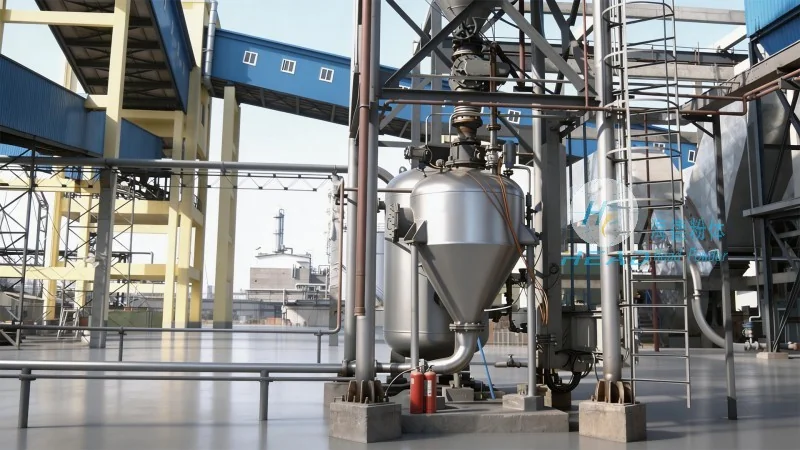
Key advantages of positive pressure systems include high conveying capacity, ability to handle abrasive materials, and reduced risk of material degradation due to lower air velocity compared to negative pressure systems. However, they require more robust equipment and higher energy consumption due to the need to maintain elevated air pressure. The system is also more susceptible to leaks, which can lead to dust emissions and energy loss.
Negative Pressure Conveying Mode: Principles and Applications
Negative pressure pneumatic conveying, also known as suction conveying, operates by creating a low-pressure environment at the inlet of the system, drawing the paddy grain into the conveying line. The blower is located at the discharge end, and the air is drawn through the line, carrying the grain to the discharge point. This mode is ideal for applications where the source of the paddy grain is located at a higher elevation or where the system needs to handle fine particles and prevent dust contamination.
Advantages of negative pressure systems include lower energy consumption compared to positive pressure systems, as the air is drawn rather than forced. They are also more suitable for handling fine or dusty materials, as the low pressure reduces the risk of material degradation and dust generation. However, negative pressure systems have lower conveying capacities and are more prone to blockages, especially with high-density or abrasive paddy grains.
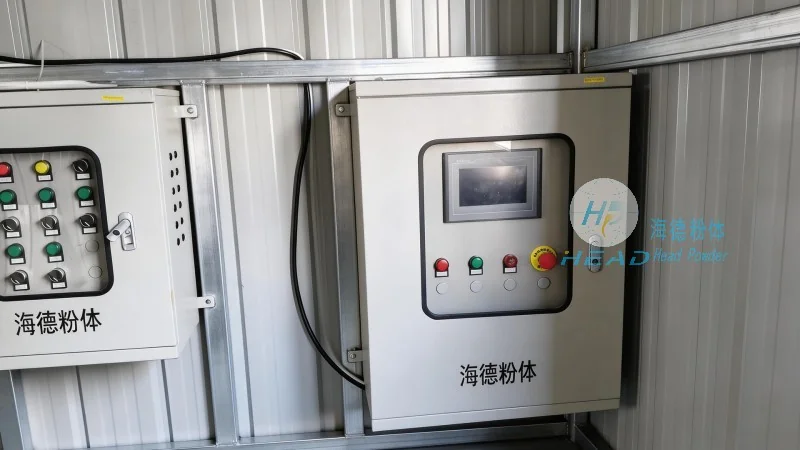
Comparison of Positive and Negative Pressure Conveying Modes
When comparing positive and negative pressure pneumatic conveying modes for paddy grain, several factors must be considered. Positive pressure systems are generally more suitable for long-distance or complex conveying applications, offering higher capacity and better control over material flow. They are also more reliable for handling abrasive paddy grains, as the high pressure prevents material buildup in the pipes. On the other hand, negative pressure systems are more energy-efficient and better suited for applications requiring low dust emission or handling fine particles.
The choice between the two modes often depends on the specific operational requirements of the paddy grain handling facility. For example, a facility with a high-elevation source and a need to minimize dust may opt for a negative pressure system, while a facility with a long horizontal distance and high grain volume may choose a positive pressure system.
HeadPowder's Expertise in Paddy Grain Pneumatic Conveying
Shandong HeadPowder Engineering Co., Ltd. (headpowder) is a leading provider of pneumatic conveying solutions tailored to the unique needs of the paddy grain industry. With years of experience in designing, manufacturing, and installing advanced conveying systems, headpowder offers customized solutions that integrate both positive and negative pressure technologies to optimize performance and efficiency.
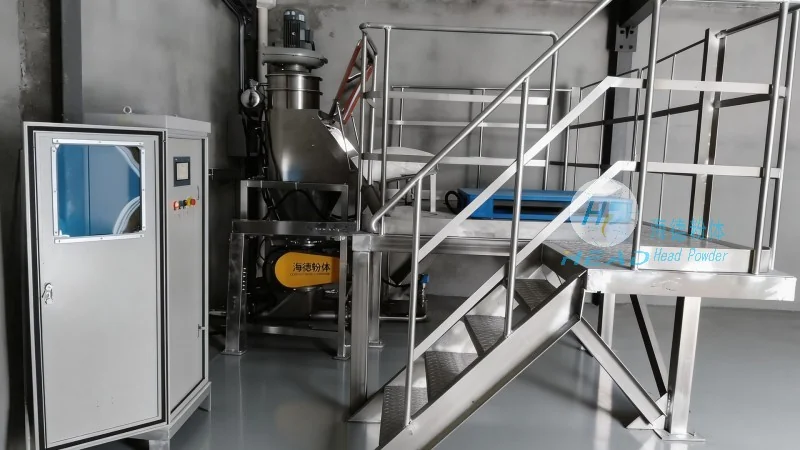
Our team of engineers specializes in analyzing the specific characteristics of paddy grain, such as particle size, moisture content, and density, to design conveying systems that minimize material degradation and maximize throughput. We utilize state-of-the-art blower technology and advanced control systems to ensure consistent and reliable operation, regardless of the chosen conveying mode.
headpowder's commitment to quality and innovation has made us a trusted partner for agricultural and food processing companies worldwide. Our solutions are designed to meet the highest standards of hygiene and efficiency, ensuring that paddy grain is transported safely and effectively from the field to the processing facility.




