For industrial applications involving the handling of rice husk, the selection of an appropriate pneumatic conveying system is critical to ensure efficiency, reliability, and cost-effectiveness. Pneumatic conveying systems are widely used in the agricultural and food processing sectors due to their ability to transport bulk materials like rice husk over long distances without the need for mechanical components such as belts or buckets. Two primary modes of operation dominate this field: positive pressure and negative pressure systems. Understanding the technical nuances of each mode is essential for selecting the optimal solution for rice husk processing operations.
Introduction to Pneumatic Conveying Systems for Rice Husk
Pneumatic conveying systems utilize air or gas to transport particulate materials through a pipeline. In the context of rice husk, which is a byproduct of rice milling and known for its lightweight, abrasive, and potentially flammable characteristics, the choice of conveying system directly impacts operational safety, material integrity, and energy consumption. The two main categories of pneumatic conveying are positive pressure and negative pressure systems, each with distinct advantages and limitations.
Positive Pressure Pneumatic Conveying Systems
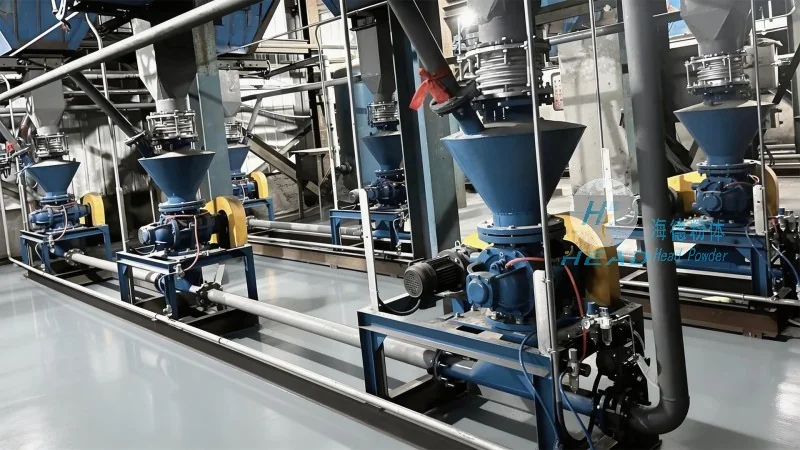
Positive pressure systems operate by blowing air or gas into the conveying line, creating a pressure higher than the ambient air pressure. This method is commonly used for short to medium-distance transport of rice husk, typically up to several hundred meters. The primary advantage of positive pressure systems is their ability to handle abrasive materials like rice husk without significant wear on the system components. The high-pressure air flow ensures that the material is fully suspended and transported efficiently, reducing the risk of blockages. Additionally, positive pressure systems are generally more energy-efficient for shorter distances as they require less air volume compared to negative pressure systems.
A key component of positive pressure systems is the blower or compressor, which supplies the necessary air pressure. These systems often include a hopper for material storage and a rotary valve to control the flow of rice husk into the pipeline. The air and material mixture is then conveyed through the pipeline to the destination point, where a cyclone separator or filter is used to separate the material from the air. The separated air is then discharged back into the environment or recirculated if needed.
Negative Pressure Pneumatic Conveying Systems
Negative pressure systems, also known as vacuum systems, operate by creating a vacuum in the conveying line, which draws the rice husk and air mixture into the pipeline. This mode is typically used for longer distances, often exceeding several hundred meters, and is suitable for applications where the material needs to be transported from a source to a destination that is lower in elevation or where the material is to be collected from multiple points.
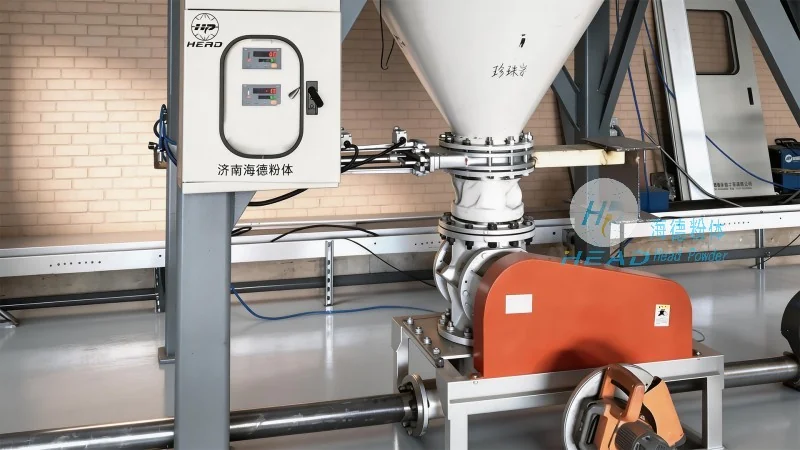
In negative pressure systems, a vacuum pump or fan is used to create the vacuum. The system includes a collection hopper or inlet where the rice husk is introduced, and the vacuum draws the material and air into the pipeline. The air and material mixture is then transported to a separator, where the material is collected and the air is either filtered and discharged or recirculated. Negative pressure systems are particularly effective for handling materials that are light and can be easily entrained by the vacuum, such as rice husk.
Technical Comparison: Positive vs. Negative Pressure
When comparing positive and negative pressure pneumatic conveying systems for rice husk, several factors must be considered. The most significant difference lies in the pressure differential and the direction of air flow. Positive pressure systems push the material through the pipeline, while negative pressure systems pull it in. This fundamental difference affects the system's energy consumption, material handling capacity, and operational safety.
Energy consumption is a critical factor in the selection of a pneumatic conveying system. Positive pressure systems generally consume less energy for short distances due to the lower air volume required. However, for longer distances, negative pressure systems may be more energy-efficient as they can operate at lower air speeds, reducing power usage. The choice of system also depends on the distance between the source and destination, the volume of material to be transported, and the specific characteristics of the rice husk, such as its moisture content and particle size.
Material handling capacity is another key consideration. Positive pressure systems are better suited for high-volume, short-distance transport, as they can handle larger quantities of material with less risk of blockages. Negative pressure systems, while capable of handling lighter materials over longer distances, may require more frequent maintenance due to the higher risk of dust accumulation and wear on the vacuum components. The abrasive nature of rice husk can lead to increased wear on the pipeline and components in both systems, necessitating the use of durable materials such as stainless steel or special coatings.
Application Considerations for Rice Husk Processing
The choice between positive and negative pressure pneumatic conveying systems for rice husk processing depends on the specific requirements of the application. For example, in a rice milling plant where rice husk needs to be transported from the husk separation unit to a storage silo over a short distance, a positive pressure system may be the most cost-effective solution. Conversely, if the rice husk needs to be transported from multiple collection points to a central processing facility over a longer distance, a negative pressure system may be more suitable.
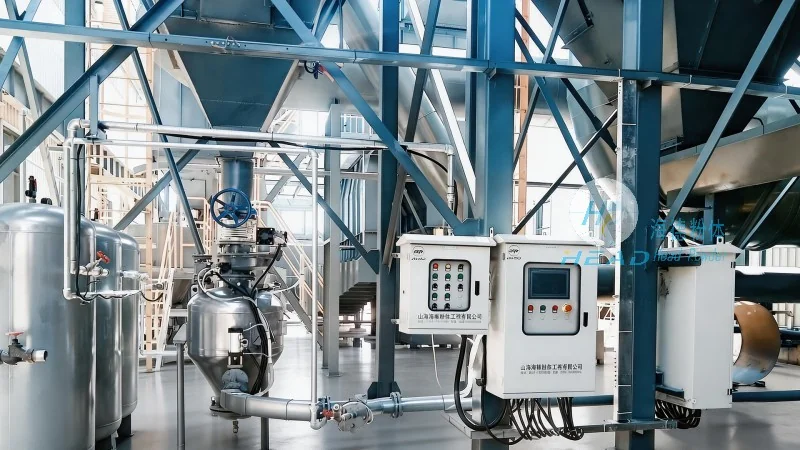
Operational safety is a paramount concern when handling rice husk, which can be a fire hazard due to its flammability. Both positive and negative pressure systems can be designed with safety features such as explosion-proof components, fire suppression systems, and proper ventilation to mitigate these risks. The system design should also consider the potential for dust explosions, which can be prevented by using proper grounding, spark detection, and dust collection systems.
Component Selection and Maintenance
Proper component selection is essential for the reliable operation of pneumatic conveying systems for rice husk. The pipeline material should be chosen based on the abrasive properties of the rice husk and the system pressure. Stainless steel is commonly used for its durability and resistance to corrosion and wear. The blower or vacuum pump should be selected based on the required air volume and pressure, with considerations for noise levels and maintenance requirements.
Rotary valves and feeders are critical components that control the flow of rice husk into the pipeline. These components must be designed to handle the lightweight and potentially sticky nature of rice husk, ensuring consistent material flow without blockages. Regular maintenance is crucial to prevent wear and tear, including cleaning of the pipeline, replacement of worn parts, and inspection of the air filtration system.
Conclusion
In conclusion, the selection of a pneumatic conveying system for rice husk processing requires a thorough analysis of the operational requirements, including distance, material volume, and safety considerations. Both positive and negative pressure systems offer viable solutions, with each having its own advantages and limitations. Positive pressure systems are generally more suitable for short-distance, high-volume transport, while negative pressure systems are better for longer distances and lighter materials. By understanding the technical aspects of each system and considering the specific characteristics of rice husk, industrial operators can choose the most efficient and reliable conveying solution. Shandong HeadPowder Engineering Co., Ltd., a leading provider of pneumatic conveying systems, offers customized solutions tailored to the unique needs of rice husk processing facilities, ensuring optimal performance and operational safety.




