

What is Dust-Free Metering Material Handling? And What Are Its Design Principles?
Understanding dust-free metering material handling is crucial in industries where maintaining a clean environment is paramount. This technology involves the precise and controlled transport of powders and granules without introducing contaminants or allowing dust to escape into the surrounding air. The design principles behind such systems are intricate, focusing on minimizing particle loss, ensuring consistent flow rates, and maintaining a sterile operational space. In this article, we delve into the core aspects of dust-free metering material handling, exploring its significance and the underlying design principles that make it effective.
Defining Dust-Free Metering Material Handling
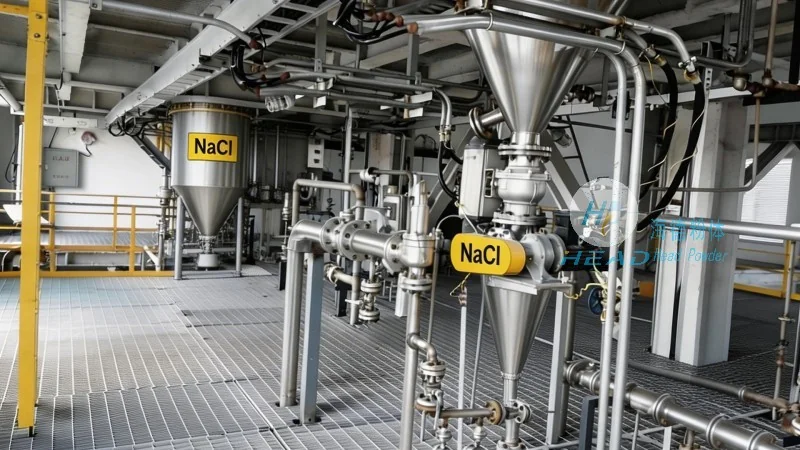
Dust-free metering material handling refers to the process of measuring and transporting bulk materials, such as powders and granules, in a controlled manner while preventing the release of dust particles into the environment. This is achieved through specialized equipment that ensures the material remains contained within the system, reducing the risk of contamination and ensuring compliance with stringent industry standards. The primary goal is to maintain a clean, safe, and efficient workflow, which is especially critical in pharmaceutical, food processing, and semiconductor manufacturing sectors where even minute contaminants can have significant impacts on product quality and safety.
Key Design Principles of Dust-Free Metering Systems
The design of dust-free metering systems revolves around several fundamental principles aimed at optimizing performance and maintaining cleanliness. One of the most critical aspects is the use of airtight enclosures and sealed components to prevent dust leakage. These systems often incorporate positive pressure or vacuum control to maintain a controlled environment, ensuring that the material is contained within the system and preventing external contaminants from entering. Additionally, the design emphasizes the use of low-friction components and smooth surfaces to minimize particle attrition and reduce the generation of dust. Flow control mechanisms, such as rotary valves, gravimetric feeders, and volumetric feeders, are carefully selected and integrated to provide precise metering and consistent material flow rates. The integration of these components is crucial for achieving the desired level of accuracy and reliability in material handling operations.
Material Handling Components and Their Roles
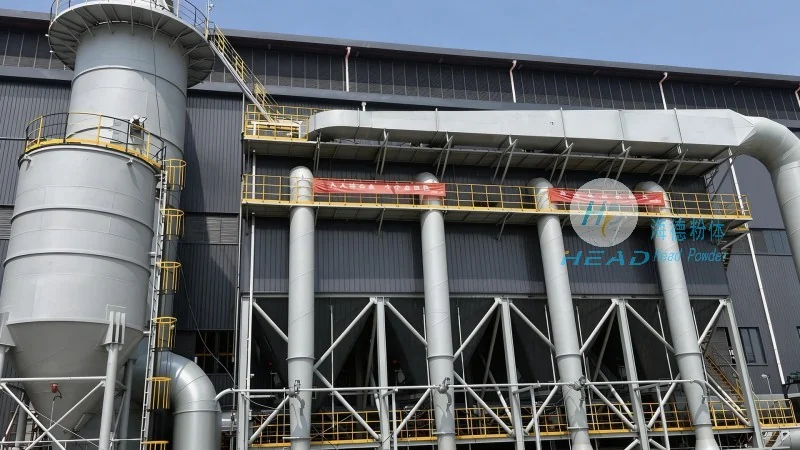
Dust-free metering systems typically consist of several key components, each playing a vital role in the overall operation. The hopper or silo is the primary storage vessel, designed to hold the bulk material securely and prevent spillage. It is often equipped with airtight seals and level sensors to monitor the material level and ensure proper feeding. The feeder, which can be a rotary valve, screw feeder, or gravimetric feeder, is responsible for controlling the flow rate of the material. Rotary valves are commonly used for their ability to provide a consistent, controlled discharge of material, while gravimetric feeders offer high accuracy in measuring and dispensing specific quantities. The conveyor or transport system, which may include pneumatic or mechanical conveyors, moves the material from the feeder to the processing equipment. These components are all integrated into a sealed system to maintain the dust-free environment. The use of high-quality materials, such as stainless steel and food-grade plastics, further enhances the system's durability and resistance to contamination.
Applications and Industries Benefiting from Dust-Free Metering
The importance of dust-free metering material handling extends across various industries, where maintaining a clean and controlled environment is essential. In the pharmaceutical industry, for example, dust-free systems are used to handle active pharmaceutical ingredients (APIs) and excipients, ensuring that the final product is free from contaminants and meets stringent regulatory requirements. The food processing industry relies on these systems to handle powders like sugar, flour, and spices, maintaining food safety standards and preventing cross-contamination. In the semiconductor manufacturing sector, dust-free metering is critical for handling materials used in wafer fabrication, as even microscopic particles can cause defects in the final products. Other industries, including chemical processing, cosmetics, and agriculture, also benefit from the precision and cleanliness offered by dust-free metering systems.
Advantages of Implementing Dust-Free Metering Systems
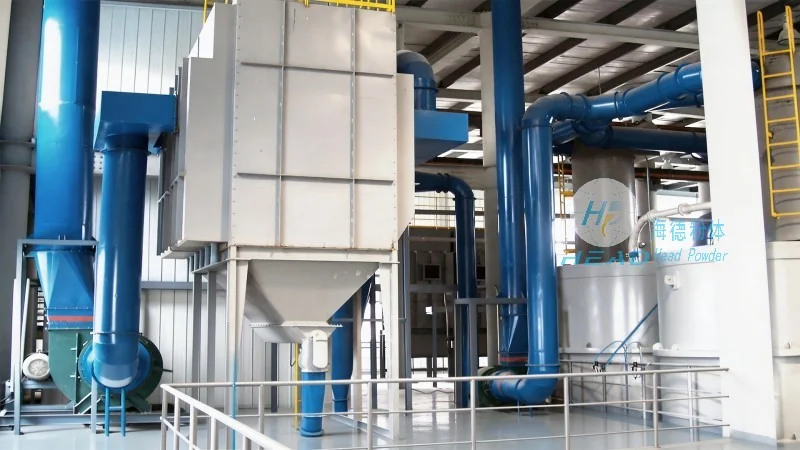
Adopting dust-free metering material handling systems offers numerous advantages for businesses operating in industries where cleanliness is a priority. One of the most significant benefits is the reduction in product contamination, which directly impacts product quality and customer satisfaction. By minimizing dust generation and ensuring a controlled environment, companies can maintain consistent product characteristics and reduce the risk of batch failures. Additionally, these systems enhance workplace safety by preventing the inhalation of dust particles, which can lead to respiratory issues and other health problems. The precise control over material flow rates also improves operational efficiency, reducing waste and optimizing production processes. Furthermore, the use of sealed systems and high-quality materials extends the lifespan of equipment, reducing maintenance costs and downtime. Overall, the implementation of dust-free metering systems contributes to a more sustainable and efficient operation, aligning with industry standards and regulatory requirements.
Conclusion and Company Overview
In conclusion, dust-free metering material handling is a sophisticated technology that plays a vital role in maintaining clean and efficient operations across various industries. The design principles behind these systems focus on containment, precision, and reliability, ensuring that bulk materials are handled safely and effectively. As the demand for high-quality, contamination-free products continues to grow, the importance of dust-free metering systems will only increase. Shandong HeadPowder Engineering Co., Ltd., a leading provider in this field, specializes in designing and manufacturing advanced dust-free metering systems tailored to the specific needs of different industries. With a commitment to quality and innovation, the company has established itself as a trusted partner for businesses seeking to enhance their material handling processes. Headquartered in Shandong, China, Shandong HeadPowder Engineering Co., Ltd. leverages its expertise to deliver solutions that meet the highest standards of cleanliness and performance. By integrating cutting-edge technology and rigorous quality control, the company ensures that its dust-free metering systems are reliable, efficient, and capable of meeting the evolving demands of modern industries.