

What is Eco-Friendly Material Handling? And What Are Its Design Principles?
Understanding eco-friendly material handling is crucial for businesses aiming to reduce their environmental footprint while maintaining operational efficiency. This article explores the core concepts of sustainable material handling systems and the fundamental design principles that underpin them, presented by Shandong HeadPowder Engineering Co., Ltd., a leading provider in the field.
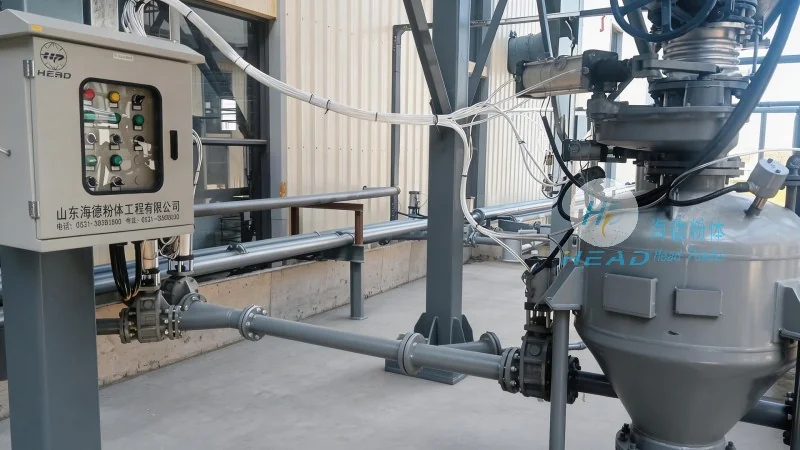
Introduction to Eco-Friendly Material Handling
Eco-friendly material handling refers to the use of equipment, processes, and technologies that minimize environmental impact during the movement, storage, and control of materials within a facility or between locations. It encompasses a range of practices, from energy-efficient machinery to sustainable material choices, all designed to reduce carbon emissions, conserve resources, and promote a greener supply chain. For companies like Shandong HeadPowder Engineering Co., Ltd., based in Shandong, China, this approach is not just an option but a strategic imperative in today's business landscape.
Key Design Principles for Sustainable Material Handling
The design of eco-friendly material handling systems revolves around several key principles that guide engineers and planners in creating efficient, environmentally responsible solutions. These principles include:
1. Energy Efficiency: Prioritizing equipment that consumes less energy, such as electric or hybrid-powered vehicles, and optimizing system layouts to minimize travel distances. By reducing energy consumption, businesses can lower their carbon footprint and operational costs simultaneously.
2. Material Conservation: Using reusable containers, biodegradable packaging, and efficient storage solutions to reduce waste and the need for new materials. This principle also involves designing systems that minimize material handling steps, thereby reducing the overall volume of materials processed.
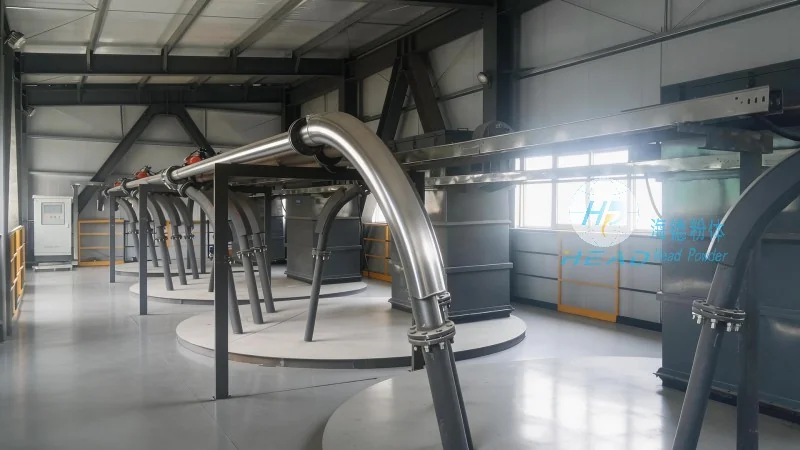
3. Waste Reduction: Implementing processes that minimize scrap and waste generation, such as precise order picking and efficient sorting systems. Additionally, recycling and reusing materials within the handling process can significantly cut down on waste sent to landfills.
4. Safety and Ergonomics: Ensuring that handling systems are designed with worker safety and ergonomic considerations in mind. This includes reducing manual lifting and handling tasks, which not only protects employees but also minimizes the risk of accidents and associated costs.
Components of an Eco-Friendly Material Handling System
An effective eco-friendly material handling system typically integrates several components, each contributing to the overall sustainability goals. These components may include:
Automated Guided Vehicles (AGVs) and Automated Storage and Retrieval Systems (AS/RS): These systems use electric power and advanced navigation to move materials with minimal human intervention, reducing energy use and operational errors. AGVs can be programmed to follow the most efficient routes, further optimizing energy consumption.
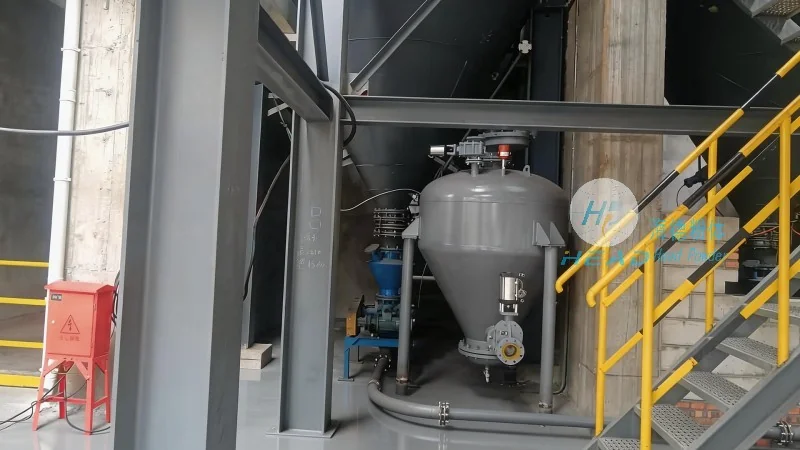
Vertical Lift Modules (VLMs) and Conveyor Systems: Vertical lift modules provide space-efficient storage and retrieval, reducing the need for large floor areas and minimizing material movement distances. Conveyor systems, especially those powered by electricity, can transport materials with low energy consumption compared to traditional forklifts.
Intelligent Warehouse Management Software: Advanced software solutions that optimize inventory levels, route planning, and order processing. By reducing unnecessary movements and improving inventory accuracy, these systems contribute to both operational efficiency and environmental sustainability.
Benefits of Implementing Eco-Friendly Material Handling
Adopting eco-friendly material handling systems offers numerous benefits beyond environmental impact. These include:
Cost Savings: Lower energy consumption and reduced waste lead to significant cost savings over time. Additionally, improved efficiency can reduce labor costs and minimize downtime due to equipment failures.
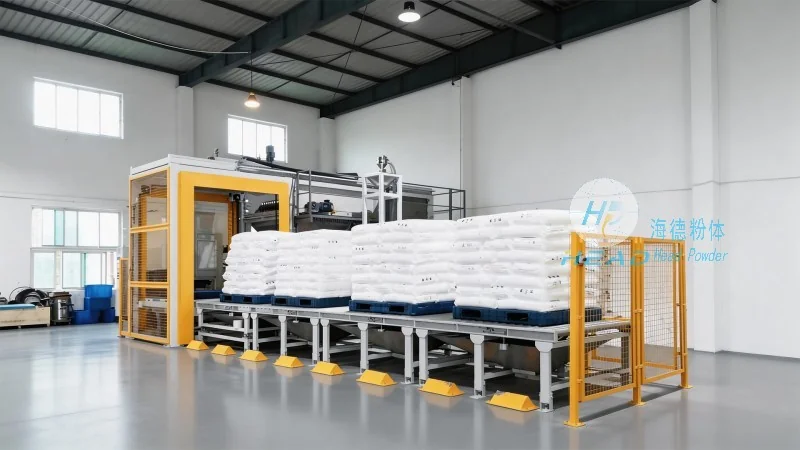
Enhanced Reputation: Companies that prioritize sustainability often enjoy a better public image and can attract environmentally conscious customers and partners. This can lead to increased market share and competitive advantage.
Regulatory Compliance: As environmental regulations become stricter, eco-friendly systems help businesses stay compliant and avoid potential fines or penalties.
Employee Satisfaction: Safer and more ergonomic work environments lead to higher employee morale and retention rates, reducing recruitment and training costs.
Conclusion
Eco-friendly material handling is a comprehensive approach that integrates design principles, technology, and operational practices to create sustainable supply chain solutions. By focusing on energy efficiency, material conservation, waste reduction, and worker safety, businesses can achieve significant environmental and economic benefits. Shandong HeadPowder Engineering Co., Ltd., with its expertise in material handling solutions, plays a vital role in helping companies transition to more sustainable operations. As the demand for green technologies continues to grow, investing in eco-friendly material handling systems is not just a responsible choice but a strategic one for long-term success.