Automated weighing and material handling systems have become integral to modern industrial operations, streamlining processes and enhancing efficiency across various sectors. This article explores the concept of fully automatic weighing material handling and delves into its underlying design principles, highlighting how such systems are engineered to optimize material movement and weight measurement in industrial settings.
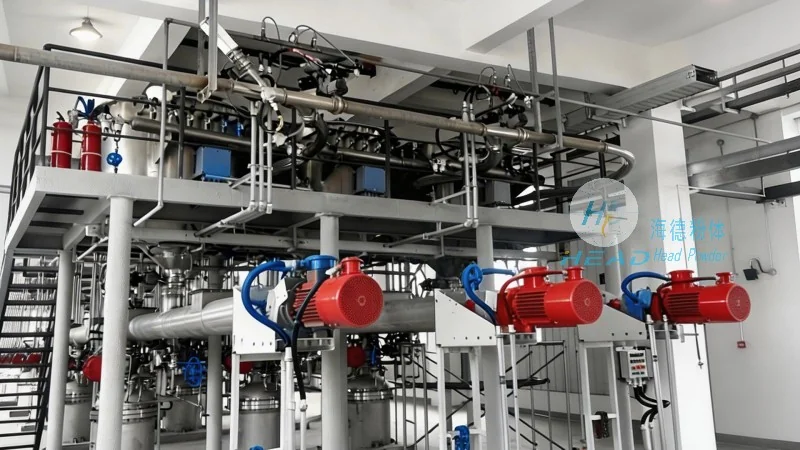
Understanding Fully Automatic Weighing Material Handling
At its core, fully automatic weighing material handling refers to a system that integrates weighing technology with automated material transport mechanisms. These systems are designed to handle bulk materials, such as powders, granules, or other bulk solids, with precision and speed. The primary goal is to ensure accurate weight measurement while efficiently moving materials from one location to another, often within a production line or warehouse environment. By automating the weighing and transport processes, these systems reduce human intervention, minimize errors, and enhance overall operational efficiency.
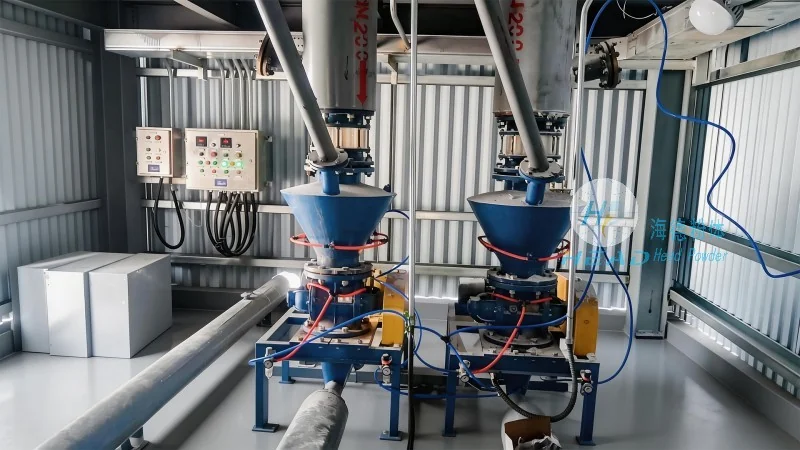
Key Components of Fully Automatic Weighing Material Handling Systems
Several critical components work in tandem to enable the functionality of fully automatic weighing material handling systems. These include load cells, which are sensors that convert the weight of the material into an electrical signal for measurement; conveyor systems, such as belt conveyors or screw conveyors, that transport the material; and control units that process the weight data and coordinate the movement of the material. Additionally, these systems may incorporate sensors, such as level detectors or position sensors, to monitor the material level and ensure proper operation. The integration of these components allows for seamless and accurate material handling and weighing, making them essential in industries like pharmaceuticals, food processing, and chemical manufacturing.
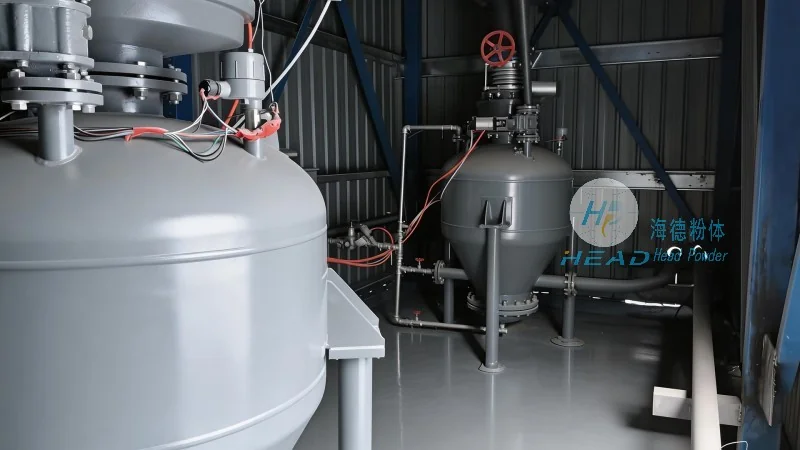
The Design Principles Behind Fully Automatic Weighing Material Handling
The design of fully automatic weighing material handling systems follows several key principles aimed at maximizing accuracy, efficiency, and reliability. One fundamental principle is the use of high-precision load cells, which are calibrated to provide accurate weight measurements even under varying loads and environmental conditions. Another principle is the integration of robust conveyor systems that can handle different material types and sizes without compromising the weighing accuracy. The control system plays a crucial role in these designs, as it processes the weight data and adjusts the material flow to maintain consistent weight output. Furthermore, the design emphasizes modularity and scalability, allowing the system to be customized to meet specific production requirements and adapt to future changes in operational needs. By adhering to these principles, manufacturers can develop systems that are both reliable and efficient, ensuring consistent performance in industrial applications.
Applications and Benefits of Fully Automatic Weighing Material Handling
Fully automatic weighing material handling systems find applications in a wide range of industries, including pharmaceuticals, food and beverage, chemicals, and mining. In the pharmaceutical industry, for example, these systems are used to ensure the accurate dosing of active ingredients, while in food processing, they help maintain consistent product quality by controlling the weight of raw materials. The benefits of such systems extend beyond accuracy; they also include increased productivity, reduced labor costs, and improved safety by minimizing manual handling of heavy or hazardous materials. Additionally, the automation of weighing and material transport reduces the risk of human error, which is critical in industries where precision is paramount. Overall, these systems contribute to higher operational efficiency and cost savings, making them a valuable investment for businesses looking to enhance their production processes.
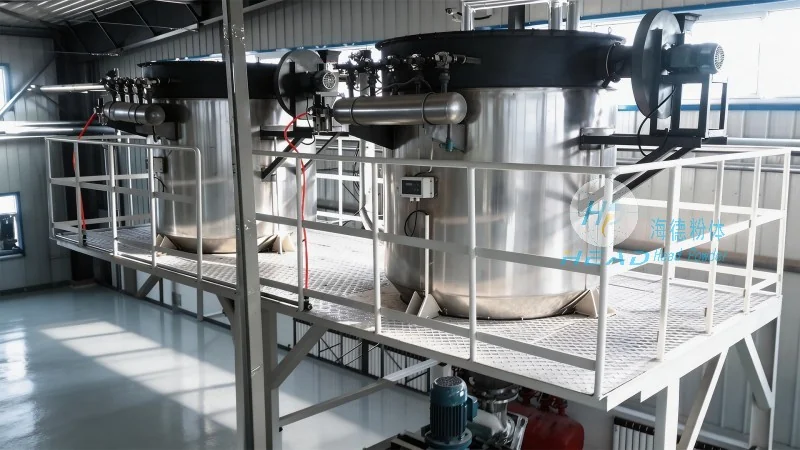
Conclusion and Company Overview
Fully automatic weighing material handling systems represent a significant advancement in industrial automation, combining precision weighing with efficient material transport to optimize production processes. The design principles behind these systems, including the use of high-precision components, robust control mechanisms, and modular designs, ensure their reliability and adaptability in various industrial applications. As industries continue to seek ways to improve efficiency and accuracy, these systems remain a key solution for modern manufacturing and material handling needs. Shandong HeadPowder Engineering Co., Ltd., a leading provider in this field, specializes in developing and manufacturing such systems tailored to meet the specific requirements of different industries. With a focus on precision, efficiency, and reliability, the company has established itself as a trusted partner for businesses seeking to enhance their material handling and weighing processes. Based in Shandong, China, HeadPowder Engineering Co., Ltd. leverages its expertise to deliver innovative solutions that drive operational excellence in various industrial sectors.




